Think Tank Calls for Government-Funded Essential Energy for Every UK Household
A prominent think tank has issued a bold proposal urging the government to provide every UK household with subsidised energy sufficient for essential daily needs. The New Economics Foundation (NEF) argues that this measure would ensure hot water, heating for two rooms, and power for key appliances at affordable rates.
Funding Through North Sea Tax Revenues
The NEF estimates that implementing this 'essential energy guarantee' would cost approximately £4.5 billion. Crucially, this sum aligns closely with the anticipated tax revenues from the North Sea, where energy giants are poised to reap enormous profits due to elevated oil prices driven by Middle East conflicts.
Oil markets have experienced significant volatility. While prices dipped briefly following a ceasefire announcement involving Iran, uncertainty over the agreement's stability pushed Brent crude up by 2 percent to $96.53 a barrel on Thursday. Prices remain substantially higher than pre-conflict levels, exacerbating concerns about the cost-of-living impact on British families.

Substantial Savings for Households
According to the NEF's analysis, the proposed scheme could save all households an average of £163 annually, with the energy bills of the poorest families reduced by as much as 17 percent. The think tank suggests that wealthier households should be incentivised to lower their consumption through investments in insulation and energy efficiency measures.
Dr Alex Chapman, a senior economist at NEF, emphasised the urgency: "We've barely emerged from one inflation crisis and now we're being plunged into another. Despite this week's ceasefire agreement, the aftershocks of this illegal war will hit us hard."
He added, "Russia's invasion of Ukraine was a lesson in why we need to change how our energy system and energy bills work – but we didn't listen. Once again, fossil fuel giants and electricity generators are about to rake in mammoth profits while our energy bills go through the roof."
Mechanics of the Essential Energy Guarantee
The NEF's proposal would see the government protect a portion of energy usage deemed essential for daily living. This baseline energy allowance would be frozen at the current price cap rate applicable from April to June. Households consuming beyond this essential threshold would then pay standard market rates for any additional energy used.
Research indicates that higher-income households typically consume greater amounts of energy compared to lower-income families, suggesting the policy would be progressive in its impact.
Political and Industry Context
Green Party leader Zack Polanski recently proposed allocating £8.4 billion for energy bill subsidies, funded by increases to capital gains tax, should he win an election. Meanwhile, energy companies defend their profits as a natural outcome of market conditions, arguing that such revenues are necessary to fund infrastructure upgrades and transition to greener alternatives favoured by government policy.
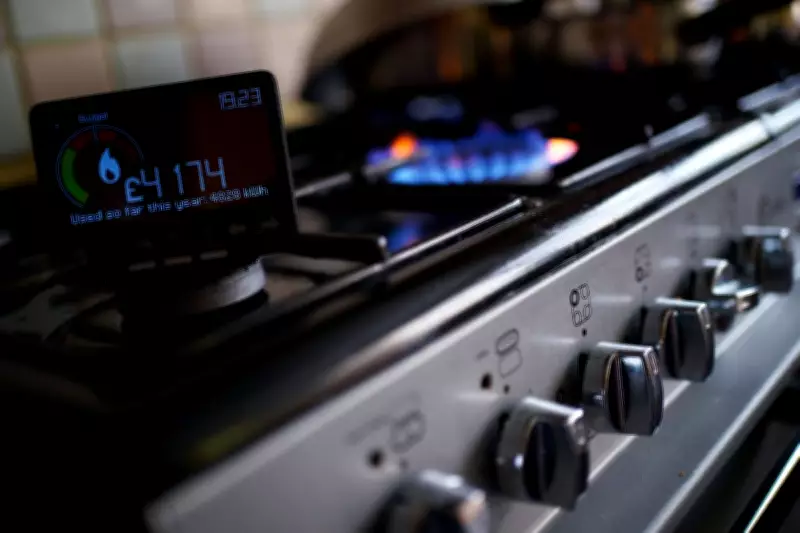
It is important to note that this NEF proposal differs from the 'energy price guarantee' implemented in 2022, which capped per-unit energy costs for all households. The current energy price cap is projected to rise by approximately £388 in July, potentially pushing annual dual-fuel bills toward £2,000.
The UK's first energy price cap was introduced by Ofgem in 2019 to prevent excessive profiteering from consumers. NEF, a left-leaning think tank funded by donations, maintains no formal affiliation with any political party.