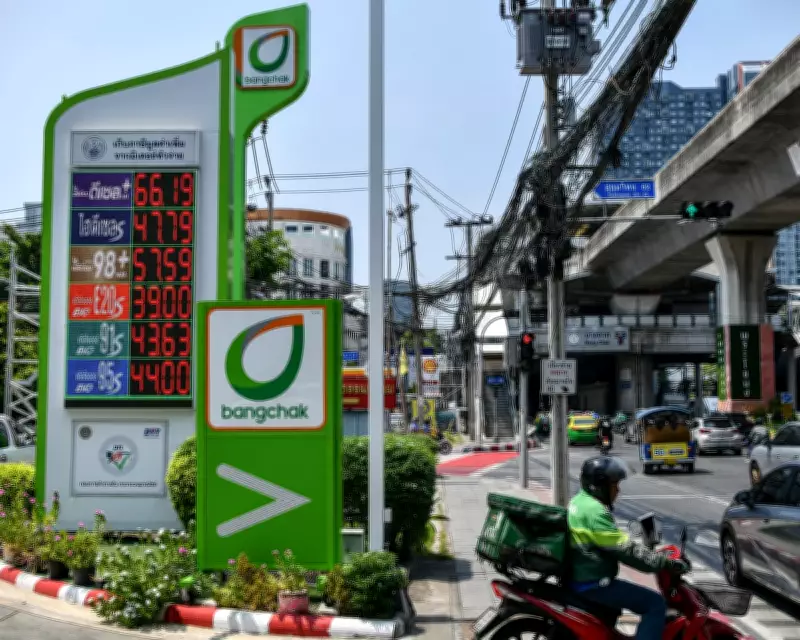
Diesel prices in Thailand have surged dramatically, exceeding 50 baht per litre this weekend, a sharp increase from approximately 30 baht per litre in late February. This significant price hike has intensified concerns over energy costs and economic stability in the region.
Prime Minister's Call for Energy Conservation
In response to the escalating crisis, Thailand's Prime Minister, Anutin Charnvirakul, has issued a public appeal for energy conservation. He emphasised the country's vulnerability due to its heavy reliance on imported oil and gas, warning that complacency is not an option. "Although Thailand has high oil reserves compared to other countries, we remain vulnerable as a nation that imports a large volume of oil," Anutin stated in a social media post.
Recommended Measures to Mitigate Impact
The prime minister urged citizens and the private sector to adopt various energy-saving practices. These include implementing work-from-home or work-from-anywhere arrangements, reducing personal car usage, switching to public transportation, carpooling, and using electricity more responsibly. "We cannot remain complacent and manage our oil resources as we have done in the past," he added, hinting that further government measures may be announced to shield the public from the crisis.

Broader Asian Energy Conservation Efforts
Thailand is not alone in facing these challenges. Across Asia, governments are taking proactive steps to conserve energy amidst rising prices. For instance, Sri Lanka and the Philippines have introduced four-day work weeks for many public sector employees, while Vietnam has also encouraged remote working to reduce energy consumption.
Domestic Initiatives and Export Controls
In addition to conservation calls, the Thai government has suspended most overseas trips for its workers and instructed officials to wear short-sleeved shirts without ties, except during formal ceremonies, to minimise air conditioning use. Furthermore, the commerce ministry has announced plans to tighten crude palm oil exports and control bottled palm oil prices starting Tuesday, aiming to protect domestic supplies as demand for biodiesel increases.
Impact on Key Sectors and Festivities
The soaring energy costs are causing significant distress, particularly for farmers and the transport and travel sectors. This comes at a critical time as Thailand prepares for Songkran, the traditional New Year holiday, when people typically travel back to their home provinces. The holiday also attracts tourists who participate in street water fights, but tourism businesses fear quieter festivities this year due to rising flight costs and aviation disruptions.
Regional Aviation Adjustments
Reflecting broader regional pressures, Indonesia recently announced a 28-percentage point increase in the surcharge on jet fuel. This move allows airlines to raise domestic ticket prices by up to 13 per cent, highlighting how energy price surges are affecting multiple aspects of the economy across Asia.