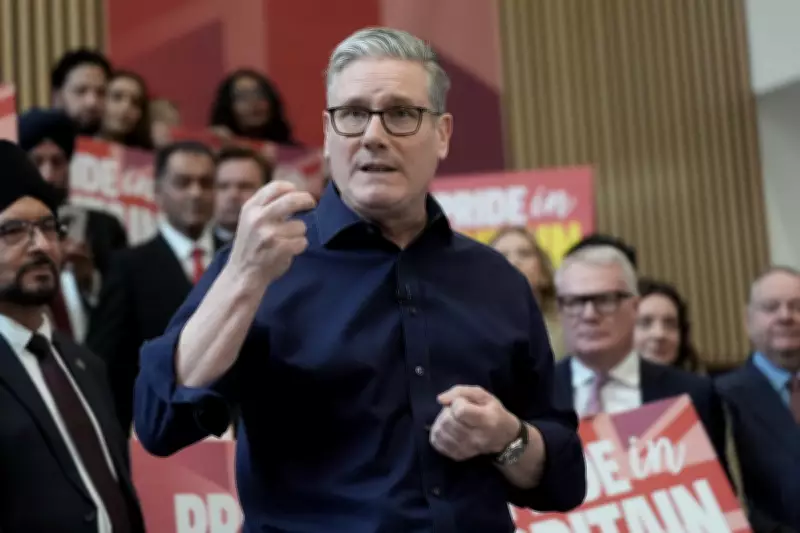
Prime Minister Keir Starmer is facing mounting accusations of dangerous complacency as the energy crisis intensifies across Britain. With fuel prices skyrocketing and a planned duty increase on the horizon, his government's response has been criticised as inadequate and out of touch with public concerns.
A Crisis of Leadership
While governments worldwide implement concrete measures to address fuel shortages and support struggling families, Sir Keir Starmer has merely urged British citizens to "act as normal." This advice comes during what experts describe as the most significant disruption to oil supplies in decades, potentially since the Second World War.
The prime minister's official spokesperson has defended the government's position, stating that the UK maintains a "resilient and diverse" fuel supply and that petrol stations remain "well stocked nationally." However, these assurances ring hollow as companies warn of potential shortages within days and prices continue their relentless climb.

Soaring Costs and Stagnant Wages
The economic reality paints a stark picture. Fuel oil prices, essential for rural communities, have doubled in recent weeks. Aviation fuel costs have experienced similar increases, threatening to make holidays prohibitively expensive for many families. Meanwhile, gas and electricity bills are projected to rise significantly this autumn, though exact amounts remain uncertain.
Petrol and diesel prices appear destined to reach £2 per litre, placing additional strain on households already grappling with stagnating living standards. This economic pressure is compounded by recent tax increases on work and employment, despite Labour's election campaign promises to the contrary.
The Fuel Duty Dilemma
In this challenging context, Chancellor Rachel Reeves faces particular scrutiny for refusing to cancel a planned 5p per litre increase in fuel duty scheduled for autumn. The decision appears increasingly untenable as opposition parties capitalise on the government's hesitation.
Postponing this increase would cost the Exchequer approximately £400 million. While not insignificant, this amount represents a small fraction of the £24 billion collected annually through fuel duty. Furthermore, the government already benefits from increased VAT receipts as fuel prices rise.
For families dependent on vehicles and small businesses struggling with operational costs, delaying the duty increase would provide both practical relief and important symbolic reassurance. The political benefits would far outweigh the minimal net impact on public finances.
International Comparisons
Other nations have taken more proactive approaches to the energy crisis. Australia has made some public transport services free, Ireland has reduced fuel duty, and numerous countries are building strategic stockpiles. Meanwhile, the British government remains largely silent on concrete plans to address impending energy bill increases.
Limited Action and Political Consequences
Thus far, government activity has primarily involved convening meetings, including emergency Cobra sessions. While coordination and consultation with businesses are essential, critics argue that tangible action remains lacking. Some limited assistance has been provided to benefit recipients using fuel oil, but broader measures have been conspicuously absent.
This situation echoes earlier missteps, such as the controversial decision to cut pensioners' winter fuel allowance during the government's initial days in office. That move generated significant political backlash while yielding minimal financial benefit, damaging Labour's standing with key voter groups.
The Need for Concrete Measures
The current crisis demands decisive action rather than reassuring platitudes. With opposition parties gaining ground on energy policy, the government must demonstrate genuine leadership and implement practical solutions. Abandoning the planned fuel duty increase would represent a logical first step toward rebuilding public confidence and addressing genuine economic concerns.

As living standards stagnate and energy costs threaten to cripple household budgets, British citizens deserve more than meetings and reassurances. They require concrete policies that acknowledge the severity of the situation and provide meaningful support during challenging economic times.