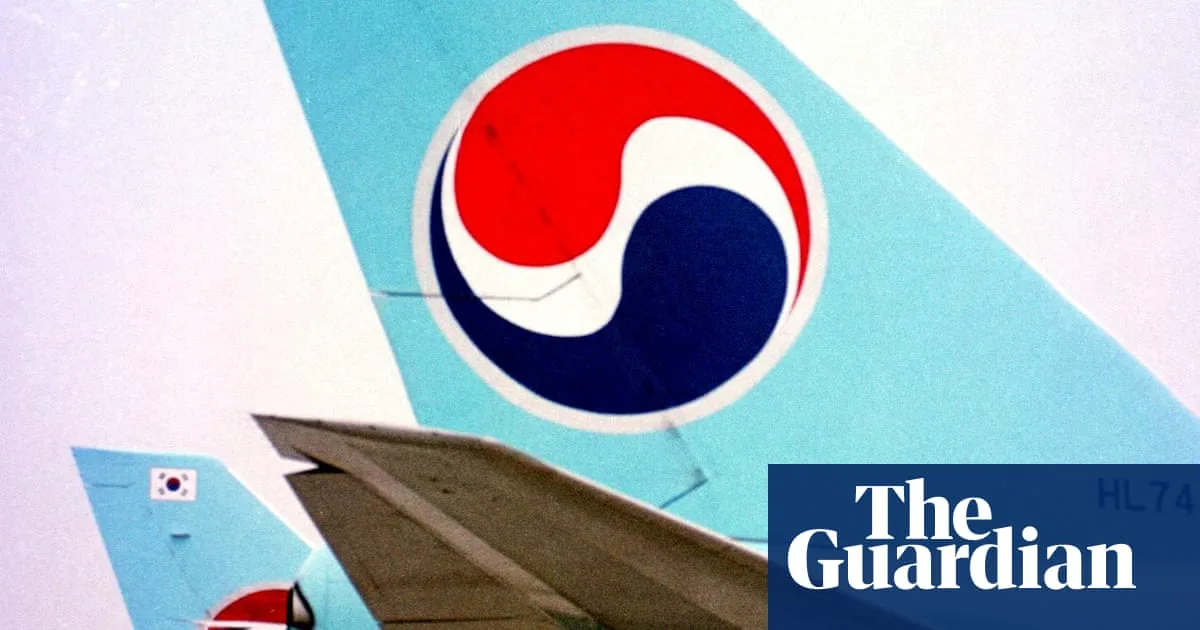
South Korean Airlines Seek Jet Fuel Export Redirection, Threatening Australian Imports
South Korean Airlines Seek Jet Fuel Export Redirection

South Korean Airlines Request Jet Fuel Export Redirection Amid Supply Crunch

South Korean airlines have formally asked their government to redirect export-bound jet fuels back to the domestic market, a move that could severely threaten Australian imports of this critical resource. This development comes as the ongoing fuel crisis deepens across Asia, with supply concerns escalating due to the Middle East conflict.

Potential Impact on Australian Jet Fuel Imports

Any restrictions on exports from South Korea would hit import-dependent nations particularly hard. For Australia, this is a significant concern, as the country sources approximately a quarter of its refined fuel imports from South Korea. Specifically, 18% of Australia's total jet fuel imports come from South Korea, making it one of the top suppliers alongside China.

China, which supplies about a third of Australia's jet fuel, has already moved to restrict fuel exports, according to reports. Although Energy Minister Chris Bowen recently stated that Chinese jet fuel supplies were assured until late April or early May, the situation remains precarious. Australia relies on foreign jet fuel for around 80% of the roughly 10 billion litres consumed annually, based on data from the Australian Institute of Petroleum. This suggests that up to 4 billion litres of fuel from Chinese and South Korean sources are now under some level of doubt.

Wide Pickt banner — collaborative shopping lists app for Telegram, phone mockup with grocery list

Regional Aviation Industry Under Pressure

The request from South Korean airlines highlights mounting pressures across the region. Korean carriers are grappling with surging fuel costs and tightening supply conditions. For instance, Vietnam has reportedly notified airlines that jet fuel prices could double or triple at local airports, leading to flight cancellations by several budget carriers.

In response, airlines like Eastar Jet have planned to cancel 50 flights to Vietnam between early May and the end of the month. Other carriers, including Air Busan and Aero K, have reduced international services since April, while Air Premia is suspending 10 flights on US routes in May. Asiana Airlines has declared emergency management measures, following similar actions by T'way Air, underscoring the severity of the crisis.

Government Response and Broader Measures

The South Korean transport ministry is attempting to relay the airlines' request to the Ministry of Trade, Industry and Resources, which oversees fuel export policy. However, an official at the industry ministry stated that no such request had been received and that export restrictions are not currently under consideration.

Despite this, the South Korean government has already implemented sweeping energy conservation measures. Since March 13, following US-Israeli strikes on Iran, petroleum prices have been capped, and exports of gasoline, diesel, and kerosene have been limited. Naphtha export controls came into effect recently, though jet fuel has so far been excluded. South Korea's role as the world's largest jet fuel exporter makes any potential restrictions highly sensitive for international trade relationships.

President Lee Jae Myung visited a strategic oil reserve facility as part of the government's response, but it has not indicated whether a national energy emergency will be declared, which would trigger additional crisis measures.

Implications for Australian Aviation and Travelers

Curtailed international fuel supplies would deliver another blow to Australia's aviation industry and travelers. Qantas has already joined several airlines in hiking prices to offset soaring costs, citing volatile oil prices from the war in the Middle East. This situation adds to the challenges faced by an industry still recovering from pandemic-related disruptions.

Regional Australians are feeling the pinch, with reports of rising diesel prices adding to economic pressures. The potential loss of jet fuel imports from South Korea and China could exacerbate these issues, leading to further fare increases and service reductions.

As the situation evolves, stakeholders are closely monitoring government actions and regional developments. The outcome of South Korea's decision on jet fuel exports will have far-reaching consequences for global aviation and energy markets.

Pickt after-article banner — collaborative shopping lists app with family illustration