Solar Panel Sales Surge Amid Global Energy Crisis, Octopus Reports
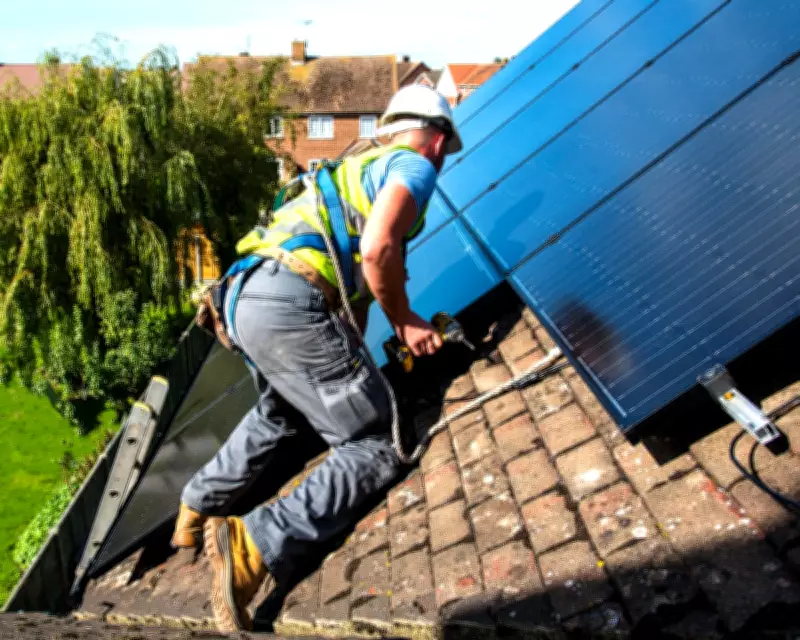
Octopus Energy has reported a sharp rise in solar panel sales since the onset of the Iran war, with households increasingly opting for larger roof arrays. Sales surged by 54% this month compared to the same period last month, according to the company's latest data released on Thursday.
Shift Towards Renewable Energy Solutions
Rebecca Dibb-Simkin, chief product officer at Octopus, highlighted a significant behavioural change among consumers. "We are witnessing a massive shift as people stop merely inquiring and start taking action," she stated. "British families are weary of being held hostage by volatile global fossil fuel prices. By adopting solar panels and heat pumps, they are transforming into their own power stations, securing low costs and safeguarding their finances for the future."
Many customers are now choosing "supersize" systems with 12 panels instead of the standard 10, reflecting a growing demand for more robust renewable energy setups. Additionally, heat pump sales have increased by over 50%, and electric vehicle charger system sales are up by 20%.

Industry-Wide Impact and Future Prospects
Greg Jackson, CEO of Octopus, noted on the BBC's Big Boss Interview podcast that solar sales have experienced a "huge jolt" since February. On 17 March, the company reported a 27% rise in solar sales inquiries following the start of the Iran war. Good Energy, another green electricity supplier, has also observed a doubling of interest in solar panels over the past three months.
Nigel Pocklington, CEO of Good Energy, emphasised the long-term benefits of renewables. "The most effective strategy to reduce bills over time is to intensify our focus on renewables, complemented by storage and flexibility measures," he explained. "This ensures more of our power originates from predictable, domestically sourced energy. We should install solar panels on every suitable building to cut costs, enhance energy security, and empower individuals with control over their daily energy usage."
Solar panel sales are poised for further growth with the upcoming availability of plug-in solar kits from high street retailers and supermarkets. The government recently announced that most new homes will likely feature solar panels from 2028 and has lifted a ban on plug-in solar kit sales, which have gained popularity in Europe and countries like Pakistan.
Expert Insights and Economic Implications
Andrew Dickinson, head of infrastructure at Heligan Group, commented on the geopolitical context. "Recent events have highlighted the UK's dependence on global energy markets," he said. "Addressing this requires short-term initiatives to mitigate the immediate impact of rising energy prices on homeowners. Plug-in solar kits are expected to lower entry barriers by eliminating the need for extensive roof assessments and specialist installations."
A report from Electrify Britain, supported by Octopus, found that using solar panels and heat pumps could significantly reduce fuel bills during oil crises. The Plug In, Pay Less report indicated that households employing these technologies would be largely insulated from fossil fuel price hikes. For example, a 30% increase in wholesale gas and oil prices would result in only a 1.7% rise in energy bills by 2035 for homes powered solely by electricity.
Despite these advancements, energy bills are projected to rise this year, with Cornwall Insight forecasting a potential increase of over £300 in the price cap this July. Jess Ralston, head of energy at the Energy and Climate Intelligence Unit, warned of ongoing challenges. "Predictions of rising bills will feel like déjà vu for families grappling with the cost of living," she noted. "Many are still burdened by debt from previous gas crises, while geopolitical actors and oil companies profit. The only permanent solution to stabilise bills is to reduce gas dependency through electric heat pumps and renewables, which can displace gas power plants from the grid."
Octopus has also reported a 33% increase in inquiries about leasing electric vehicles, underscoring a broader trend towards sustainable energy adoption.