

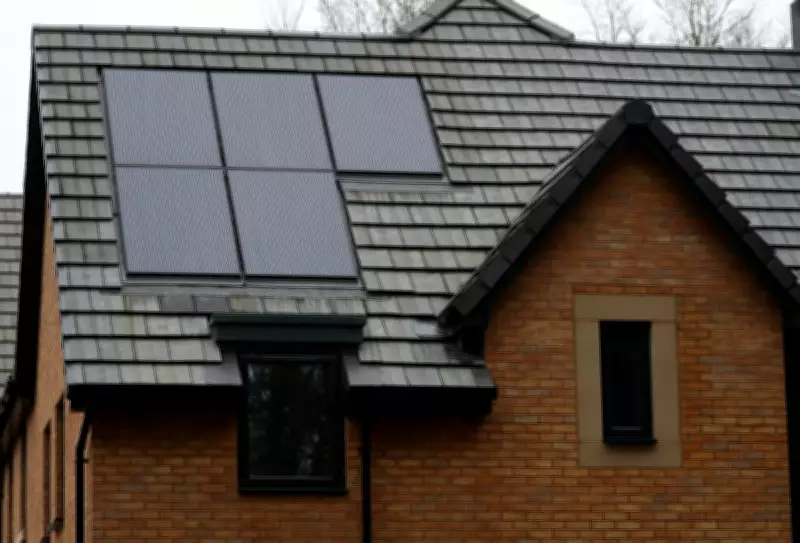
Unlocking Extra Income with Solar Panels: A Guide to the Smart Export Guarantee
Solar panels offer more than just reduced electricity bills; they can generate a significant annual income through the Smart Export Guarantee (SEG). By selling excess power back to the national grid, homeowners can potentially earn hundreds of pounds each year, enhancing their financial returns on renewable energy investments.
How Solar Panels Generate Revenue
The process is straightforward: if your solar system produces more electricity than your household consumes, the surplus can be exported to the grid via the SEG scheme. This creates an additional revenue stream, complementing the savings from lower energy bills. The viability and earnings depend on several factors, including roof orientation, shading, household energy usage, and the specific export tariff selected.
Properties with south-facing roofs, minimal shade, and competitive SEG rates typically achieve the highest returns. Conversely, less favorable conditions or lower-paying tariffs may reduce potential earnings. Industry estimates suggest a return on investment can take up to 13 years, but this timeframe can be shortened with optimal setups, such as using savings for purchase rather than loans and maximizing daytime electricity consumption.

Financial Breakdown and Savings Potential
To illustrate, consider different home sizes and their associated solar panel systems:
- 3-bed home with a 3.6kW system: Installation costs around £4,990. With annual electricity usage of 2,900 kWh at 25.73 pence per kWh, savings from energy used and sold total £540, leading to a net cost of £206 after solar generation. The system pays for itself in approximately 9 years.
- 4-bed home with a 5.4kW system: Costs £5,470. Similar usage results in savings of £780, generating a £34 profit annually and a payback period of about 7 years.
- 5-bed or larger home with a 9.9kW system: Installation is £7,390. Savings reach £1,370, yielding a £624 annual profit and a payback time of around 5 years.
These calculations, based on data from the Energy Savings Trust, assume an average export rate of 15 pence per kWh. Larger systems benefit from economies of scale, as installation costs like scaffolding and labor are fixed, making additional panels relatively inexpensive. Solar panels can last up to 30 years, meaning even with a longer payback period, decades of free electricity follow.
Key Considerations for Maximizing Earnings
To optimize income, prioritize using generated electricity yourself before selling excess, as grid electricity costs more than export tariffs. Maintenance is minimal but includes replacing inverters every 10-15 years. Earnings vary annually due to weather fluctuations and tariff changes, so consistent profits are not guaranteed.
Frequently Asked Questions
Will earnings be consistent each year? No, solar output and export rates can change, affecting annual income.
How do I get paid? Register with an SEG provider; a smart meter tracks exports, and payments are made monthly or quarterly.
How much can I save on bills? A typical 4kW system may reduce bills by £400–£700 annually, with higher savings for homes using more power during the day or employing battery storage.
In summary, solar panels present a dual benefit of cutting energy costs and creating income through the Smart Export Guarantee. With careful planning and favorable conditions, they can be a worthwhile long-term investment for UK homeowners.






