Millions of households with smart meters could soon receive free electricity or even be paid to run appliances during periods of sunshine and strong winds, under a new scheme being prepared by the National Energy System Operator (Neso). The initiative, expected to launch this summer, aims to tackle the growing challenge of surplus renewable power on Britain's grid.
Building on the existing Demand Flexibility Service, which rewarded households for reducing energy use during shortages, the new scheme will incentivise consumers to increase consumption when the grid faces an oversupply. For example, on sunny weekends or windy bank holidays, households will be encouraged to switch on washing machines, dishwashers, or charge electric vehicles.
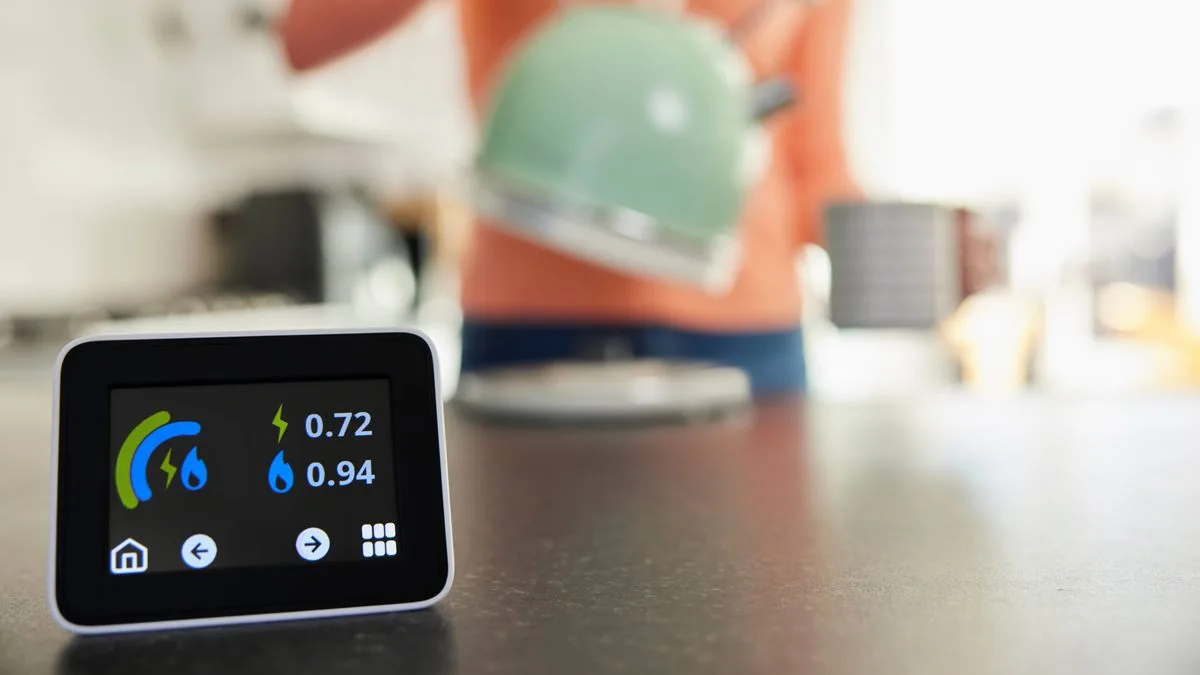
Participants will need a smart meter to accurately measure electricity use during events. Suppliers are expected to offer incentives such as bill credits, cash payments, or significantly reduced—even free—electricity. Deborah Petterson, Neso's director of resilience and emergency management, said: 'Tools such as the demand flexibility service not only reward consumers and businesses for flexible electricity use but also strengthen the resilience and efficiency of Great Britain's electricity network.'
The shift highlights a mounting challenge in Britain's green energy drive: while renewable power cuts emissions, it makes supply less predictable. Solar and wind output cannot be easily adjusted, and solar power from rooftop panels is particularly difficult to monitor. Last year, Neso spent nearly £1.5 billion compensating wind farms to stop operations during periods of excess supply. Encouraging households to use more electricity could prove more cost-effective.
Under the new scheme, payments will go through energy suppliers, who will pass incentives to customers. Factories and heavy industry may also receive payments to increase machinery use during surplus periods. However, offers may vary by location depending on where excess power is concentrated. Britain's solar capacity has surged more than 700-fold since 2010 to around 22 gigawatts, with a target of 47GW by 2030, which is expected to push grid demand to record lows this summer.
More than two million households previously signed up to the Demand Flexibility Service in winter 2022 amid blackout fears. Now, rather than switching off, Brits may soon be rewarded for switching on—marking a new chapter in the nation's energy transition.