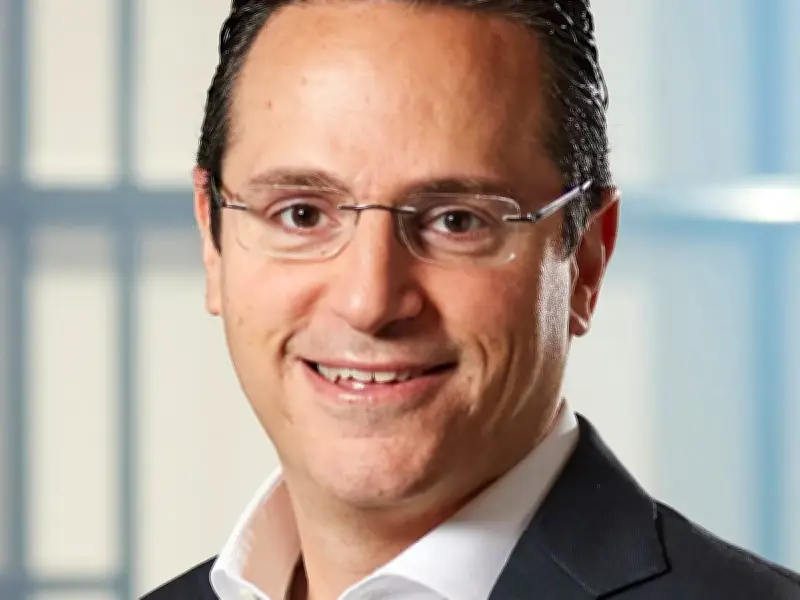
Shell chief executive Wael Sawan has seen the value of his shareholding rise by £4.7 million since the start of the Iran war, as the energy giant posted near-record quarterly profits of £8.1 billion.
Analysis by Greenpeace found that Sawan, along with the CEOs of rivals Harbour Energy, TotalEnergies, and Equinor, saw their shareholdings jump by a combined £18.9 million. Three of the four have sold shares during that period.
Share price surge and personal gains
The share price of the multinational has risen by more than a quarter since the war between Donald Trump and Israel's forces and Iran erupted at the end of February, a period when the wider FTSE 100 stock market fell. Sawan, 52, also sold a chunk of shares in late May for £1.3 million.
The Lebanese-Canadian boss, whose pay and perks package jumped from £8.6 million to £13.7 million last year, is not alone in seeing personal fortunes rise as a result of the Middle East conflict.
Profits and refinery output
The findings came as Shell announced profits of £8.1 billion in the past three months, equivalent to £60,000 a minute and double the same period a year ago. It marked the company's second largest ever quarterly profit.
Among the big reasons for the surge was money made from Shell refineries, which have been working almost flat-out turning oil into diesel, jet fuel and other products. Attacks on refineries in the Middle East, as well as Russia, has put a squeeze on remaining facilities. Shell has plants in Rotterdam, the US, Canada and elsewhere.
Impact on households and government response
While Shell and others benefit from the chaos, drivers are reeling from near record pump prices. The nationwide average for diesel is 198.70p per litre, up from 142.38p at the start of the war. Petrol has jumped from 132.83p to 172.92p, according to the RAC.
The surge prompted Chancellor John Healey to freeze duty again in this week's Budget, and delay a planned 5p rise, at a cost of £575 million to the Treasury this year, and an expected £780 million in 2027/28.
The price shock has triggered a bill crisis for millions of households. EDF has forecast regulator Ofgem's energy price cap could surge by 27% - nearly £470 a year - to almost £2,200 in January, and potentially £2,389 in April. The looming threat saw Healey announce £100 for 20 million households in Wednesday's Budget, at a cost of £2.6 billion.
Reactions and company response
Rudy Schulkind, political campaigner at Greenpeace UK, said: "While many families will be forced to choose between heating and eating this winter, oil bosses are treating geopolitical crises like their own personal cash machine, shamelessly capitalising on the fallout for their own enrichment."
Philip Evans, senior campaigner at Greenpeace, said: "Against a backdrop of near-constant climate disaster both in the UK and worldwide, these profits go beyond mere greed – they are openly villainous."
Sawan insisted: "Shell's relentless focus on operational performance enabled very strong results in a quarter with continued severe disruption to the global energy system. I'm grateful to Shell's teams around the world who continue to work tirelessly to produce and supply the energy our customers need."
Shell declined to comment on criticism of the jump in the value of Sawan's shareholding. A source said 80% of his package is linked to the firm's performance and shareholder returns had risen 120% since he took over as CEO at the start of 2023.
The company also announced plans to buy back another £3.8 billion of its own shares, which is a further boost to investors. It highlighted the fact that almost £1 in £10 in dividends from the FTSE 100 is from Shell. A spokesman added that its effective tax rate was 39% globally, almost double the OECD average for companies.