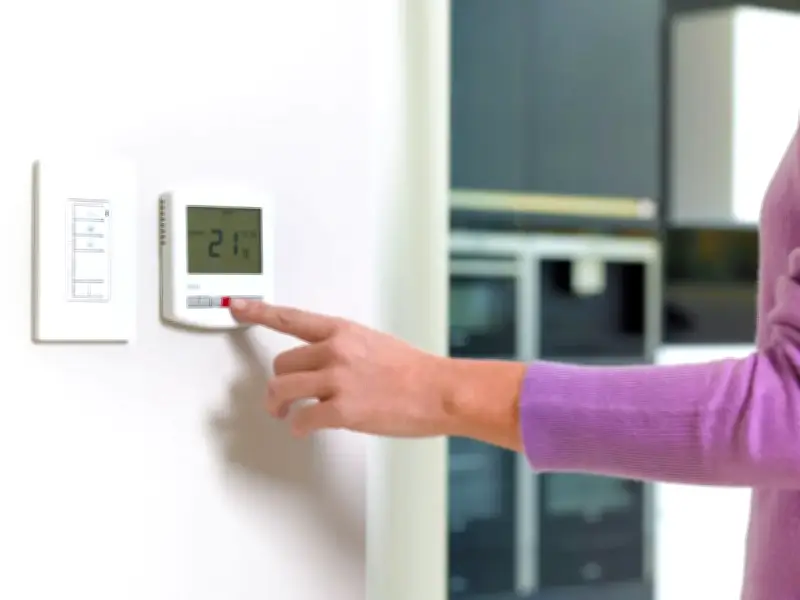
Setting your thermostat to the lowest comfortable temperature, typically between 18°C and 21°C, can save up to £120 a year on energy bills, according to the Energy Saving Trust. The organisation says most people should aim for this range, and turning down the thermostat from 22°C to 21°C can save £120 a year in Great Britain and £80 in Northern Ireland.
Heating myths debunked
A viral social media trend has seen influencers advising people to "crank up the heating" and turn up the thermostat to heat the house more quickly. The Energy Saving Trust dismisses this as a myth, explaining that turning up the thermostat will not make a home heat any faster.
The trust states: "You don’t need to turn your room thermostat up when it is colder outside. Your home will heat up to your chosen temperature whatever the weather, but it may take a little longer on colder days." It also reminds that room thermostats need a free flow of air to sense temperature accurately, so they should not be blocked by curtains or furniture and should be kept away from heat sources like radiators.
Using timers and programmers
The Energy Saving Trust says a timer or programmer can help control when heating and hot water come on and go off. It advises programming the central heating based on when heat is needed, such as switching off when not at home or at night.
For boilers, the trust recommends setting the central heating programme to turn on around half an hour before getting up and turn off around half an hour before going to bed. It also advises checking that the clock on the programmer is correct, noting that many programmers change automatically when clocks change in spring and autumn.
Boiler settings and servicing
The trust advises that a boiler's flow temperature, which sets the temperature of water pumped through radiators, should be checked. Lowering a boiler thermostat set higher than needed could save money, as a lower flow temperature helps the boiler work more efficiently. However, it warns not to lower it below 65°C if there is a separate hot water cylinder, as lower temperatures can lead to the growth of harmful bacteria.
The organisation recommends getting a boiler or heat pump serviced every year to ensure it is running properly, with costs varying depending on location and work needed. For renters, the landlord should arrange and pay for the service and provide gas safety checks for the boiler and all other gas appliances.