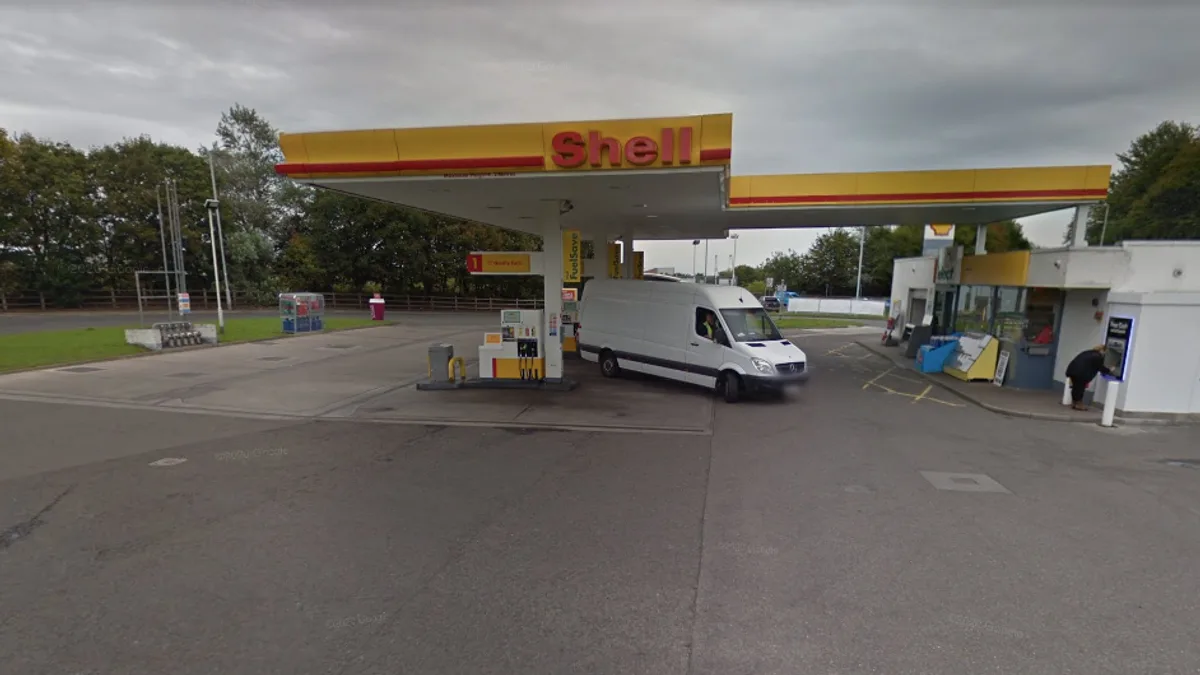
Scottish Motorists Hit by Record Fuel Prices as Costs Soar Past £2 Per Litre
Scottish drivers have been dealt a severe financial blow as the cost of petrol and diesel has surged beyond £2 per litre, marking the highest fuel prices in the entire United Kingdom. This dramatic increase has been steadily climbing since the outbreak of conflict in the Middle East just over a month ago, placing immense pressure on households and businesses alike.
Fuel Costs Reach Alarming Heights Across Scotland
According to the latest data from the comparison website Fuel Finder, the price of filling up at the pump has now breached the £2 threshold for both diesel and petrol north of the Border. In a striking example, the Skerries Co-Operative Society pumps on the Shetland isle of Bruray are listing petrol at £2.10 per litre and diesel at £2.20 per litre, believed to be the most expensive in the UK.
Islanders in other regions are also feeling the pinch, with diesel costing £2.17 per litre at a forecourt on Arran and £2.11 per litre in Portree, Skye. Motorists travelling the popular NC500 route are encountering astronomical prices, such as petrol at just 4.1p off £2 in Lairg and diesel at £2.17 per litre in Thurso, Caithness.
Industry and Political Reactions to the Crisis
The soaring prices have triggered urgent calls for the UK government to reassess its energy strategy. Scottish Conservative energy spokesman Douglas Lumsden described the situation as a hammer blow for those reliant on their vehicles, criticising both the SNP and Labour for their policies. Motorists were already being clobbered by the SNP's war on motorists while Rachel Reeves is still planning to make things even worse by hiking fuel duty in September, he stated.
Lumsden emphasised the need to stop abandoning the oil and gas sector and to maximise domestic resources to alleviate the crisis. This sentiment is echoed by the farming industry, which warns that without intervention, rising fuel costs could undermine production and weaken the UK's long-term food security.
Widening Price Gaps and Economic Impact
The AA has reported a significant widening in the price gap between supermarket and non-supermarket retailers. Since the war began, the difference has increased from 5.4p per litre for petrol to 7.6p, and for diesel, it has reached as much as 8.8p per litre. This disparity adds to the financial strain on consumers already grappling with high costs.
New figures from the RAC Foundation reveal that the Middle East conflict has cost drivers across the country more than half-a-billion pounds in higher fuel prices, including £409 million for diesel and £135 million for petrol. Steve Gooding, director of the RAC Foundation, noted that prices at the pumps are currently rising by £37 million a day, projecting that the war could cost motorists at least a billion pounds within the next couple of weeks.
Calls for Government Action and Industry Concerns
The Petrol Retailer's Association has called for a temporary cut in fuel duty, highlighting that the Treasury is taking in £20 million a day in extra revenue from levies and taxes linked to the price of oil and gas. Executive director Gordon Balmer urged the Chancellor to abandon plans to raise fuel duty and instead implement a temporary reduction to help hard-pressed motorists and businesses.
Andrew Connon, President of NFU Scotland, warned that rising fuel costs are placing significant and immediate pressure on Scottish agriculture. Sharp increases in the price of red diesel, alongside fertiliser and other energy costs, are hitting farm businesses at a critical time of year and putting real strain on profitability, he said. Connon added that without intervention, these pressures risk undermining production and weakening the UK's long-term food security.
Panic Buying and Supply Concerns
Amid fears of fuel shortages and price hikes, some motorists have resorted to panic buying, with one Edinburgh driver likening the scene to an apocalypse film after observing long queues at a Costco filling station. However, industry experts continue to call for calm, insisting that there are no major supply issues and only a small number of forecourts have been affected by shortages.
As the crisis deepens, the focus remains on finding solutions to ease the burden on Scottish motorists and safeguard the broader economy from the ripple effects of these record-breaking fuel prices.