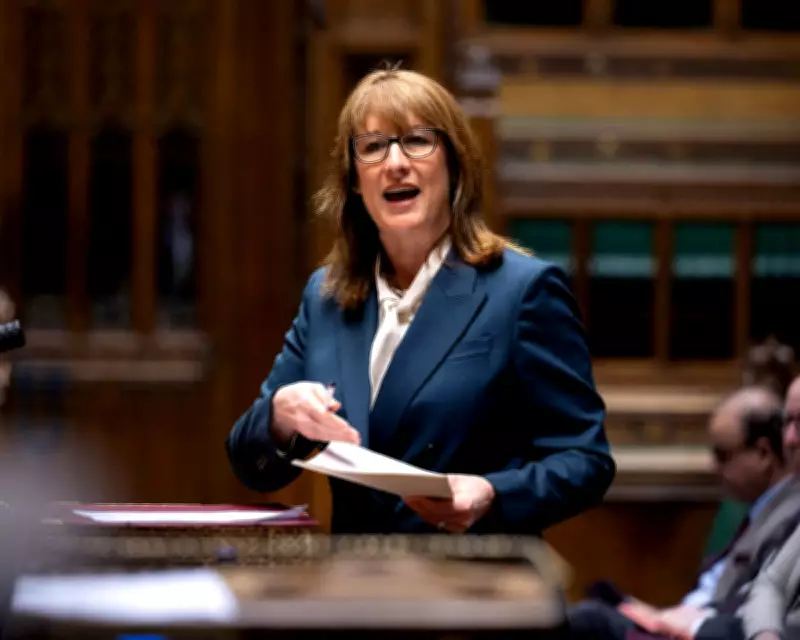
Chancellor Reeves Explores Council-Based Support for Soaring Energy Bills
Chancellor Rachel Reeves is actively reviewing proposals to assist households grappling with energy bills projected to reach nearly £2,000 per year starting in July. This initiative comes as the protracted Iran war exacerbates global energy market volatility, driving up costs for consumers across the United Kingdom.
Targeted Aid Through Local Councils Under Scrutiny
Ministers are debating multiple options to extend support, with one prominent plan focusing on injecting additional funds into the Crisis and Resilience Fund (CRF). This £1 billion annual scheme, administered by councils in England and effective from this Wednesday, aims to provide preventative assistance and crisis relief to communities. Under this proposal, the CRF could be augmented to help cushion households identified by local authorities as facing severe hardship from escalating energy bills.
Rachel Reeves has explicitly ruled out the universal support model implemented by Liz Truss's government in 2022, citing pressure from financial markets to adhere to strict budget spending limits. Instead, she advocates for a progressive approach that combines broad-based relief with targeted aid for the most vulnerable. In a recent Commons statement, Reeves emphasized, "The progressive, universal approach that we are taking is the right one … £150 off everyone's energy bills, but then targeted support for those who need it most."

Coordination and Concerns Over Targeting
Torsten Bell, a minister jointly serving in the Department for Work and Pensions and the Treasury, is understood to be coordinating the government's response. Bell has expressed concerns that bailouts solely aimed at benefit claimants might attract negative media attention, particularly regarding lower-paid workers who do not typically qualify for state support but are also struggling with declining living standards.
Thinktanks have urged swift action to identify the poorest households, highlighting the complexity of this task. Historical data from Treasury calculations between 2022 and 2024, following Russia's invasion of Ukraine, revealed that households in the top 10% of earners received an average of £1,350 in direct energy bill support. An official noted that precise targeting is crucial this time to ensure efficiency and fairness.
Global Economic Pressures and Market Reactions
The ongoing Iran conflict has triggered significant economic repercussions worldwide. Government borrowing costs have climbed as financial markets anticipate increased borrowing to cope with the war's aftershocks. Declines in bond prices have pushed yields higher, with the interest rate on 10-year UK debt recently hitting its highest level since the 2008 financial crisis, briefly exceeding 5% before easing to 4.95% by Monday. Without a resolution in the Middle East, rising yields could further inflate the interest bill on government debt, constraining the chancellor's budgetary flexibility.
Brent crude oil is on track for a record monthly surge of nearly 60%, surpassing gains observed during the 1990 Gulf War. The global oil benchmark rose 3.5% on Monday to just over $116 a barrel, intensifying pressure on household finances.
Household Struggles and European Comparisons
A recent Which? consumer insight tracker found that rising prices are compelling half of UK households, approximately 14 million people, to make at least one adjustment—such as dipping into savings, selling possessions, or borrowing money—to cover daily essential costs. In response, several European governments have implemented measures to alleviate strain. For instance, Madrid has reduced VAT on fuel, while Berlin has limited German petrol stations to one price increase per day.
In France, Prime Minister Sébastien Lecornu announced plans to expand eligibility for support, adding 700,000 households to receive an average of €153 (£133), bringing the total beneficiaries to about 3.8 million at a state cost of €600 million. Lecornu stated that this mechanism, established in 2018, helps the poorest households "cope with energy expenses and pressure on purchasing power" by directly reducing electricity, gas, or heating oil bills.

The Treasury has declined to comment further on the ongoing deliberations, but Reeves assured that contingency planning is underway for all eventualities to maintain low costs and provide necessary support within fiscal rules.