

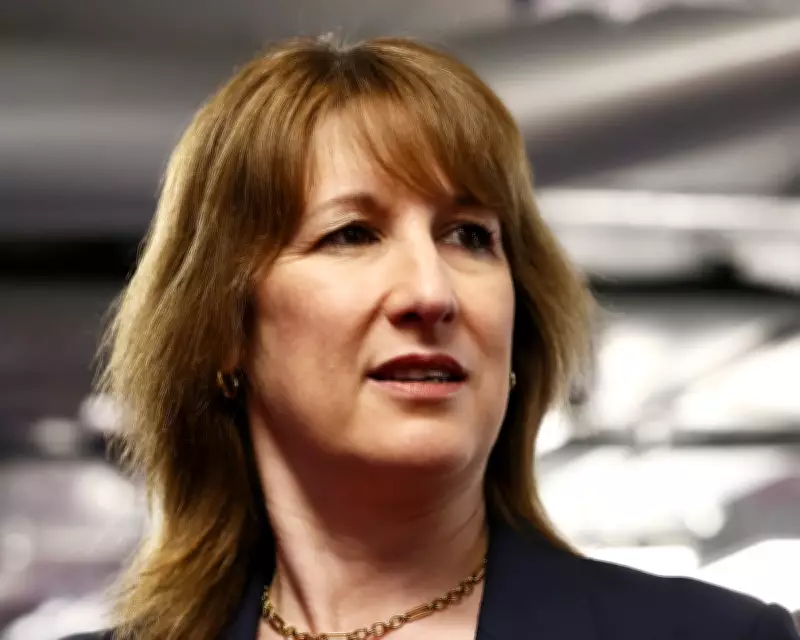
Reeves Expands Energy Bill Support for 10,000 UK Manufacturers Amid Iran War Costs
Chancellor Rachel Reeves has announced a significant expansion of support for energy-intensive UK businesses, as they grapple with soaring bills exacerbated by the Middle East conflict. The British Industrial Competitiveness Scheme (BICS) will now cover 10,000 companies, up from the initially planned 7,000, offering bill reductions of up to 25%.
Delayed Payments and Backdated Support
While the scheme will not become operational until next year, Reeves confirmed in a key concession that support will be backdated to this month. However, businesses will not receive payments until April of the following year, a delay that has drawn criticism from industry leaders facing immediate financial pressures.
Speaking from Washington during the International Monetary Fund (IMF) spring meetings, Reeves stated, "This government has the right plan for the economy: backing British industry, cutting electricity costs and building a stronger, more resilient future. Today’s announcement will cut energy bills for over 10,000 manufacturers, helping businesses to compete, win and create good jobs across the country, and to deliver our modern industrial strategy."

Business Reaction and Concerns
The announcement has been met with mixed reactions from business groups. Stephen Phipson, chief executive of Make UK, welcomed the acknowledgment of high industrial energy costs but warned, "Manufacturers are staring down the barrel of huge increases in their energy bills this month as they renegotiate their energy contracts and, when combined with other cost increases, many simply can’t wait until 2027 for relief."
Rain Newton-Smith of the CBI added, "While expanding BICS is significant and welcome, we see it as an important step in addressing the UK’s high energy costs, not 'job done'. This is a targeted measure and bringing down energy costs for all UK businesses depends on lasting reform."
Scheme Details and Funding
BICS will exempt eligible businesses from three key electricity levies:
- The renewables obligation
- Feed-in tariffs
- The capacity market
The Treasury has indicated that the scheme's annual cost will rise to £600 million, up from £420 million, with funding details to be outlined in Reeves's autumn budget. This expansion comes as the ongoing closure of the Strait of Hormuz due to the Iran war intensifies energy market volatility, pushing costs higher for manufacturers.
Policy Context and IMF Backing
Reeves has faced mounting pressure to detail support for consumers and businesses amid surging energy costs. She has emphasised a targeted approach for households, contrasting with the broad subsidies under Liz Truss's government following Russia's invasion of Ukraine. This strategy aligns with IMF advice, which cautions against costly, poorly targeted energy subsidies that can drive up global prices.
The chancellor has also stepped up criticism of the Iran war, labelling it a "mistake", highlighting the geopolitical factors influencing economic policies. As businesses await relief, the expanded BICS aims to bolster UK industrial competitiveness, though its delayed implementation leaves many firms navigating immediate financial challenges.






