Chancellor Rachel Reeves is reportedly planning to delay a major package of support for households struggling with energy bills until the autumn, as the economic shock from the Iran war continues to ripple through global markets. According to sources, she will allow the energy price cap to rise in the summer, believing the true impact on bills will become clearer later in the year.
Limited Summer Support Before Autumn Bailout
The chancellor is said to be preparing to announce a limited package of support for bills over the summer months, followed by a more substantial bailout in the autumn. This strategic pause is intended to provide time for a thorough analysis of data and to align support with increased gas consumption as winter approaches.
Price Cap Rise Expected in July
Forecasts from Cornwall Insight indicate that the energy price cap could jump by as much as £330 in July, pushing average household bills to approximately £1,972. Treasury officials have revealed that Ms Reeves plans to permit this increase, arguing that the full effects of the Middle East conflict on energy costs will be more apparent by autumn.

An energy industry source explained the rationale behind the delay, stating, "The thinking is that you let the July bills rise happen and save any major intervention for the autumn. There are two good reasons for this; the first is that it buys you time to properly look at the data and the best way to offer support. The second is, it’s going into the winter when you want to announce any package, not into the summer."
Criticism and Warnings Over Delay
Simon Francis of the End Fuel Poverty Coalition has voiced concerns that postponing support announcements carries "a real risk of unintended consequences." He highlighted that households on direct debit typically build up credit over the summer to manage higher winter bills, but a July price rise could diminish this buffer, leaving many families vulnerable when cold weather arrives.
Francis cautioned, "The taxpayer clearly shouldn’t be subsidising wealthy households running swimming pools or hot tubs, but ruling out support from July 1 carries a real risk of unintended consequences. Households on direct debit typically build up credit over the summer months, which helps them manage higher bills in winter. But if prices rise in July, that buffer will be smaller than usual, leaving many families exposed when the cold weather arrives."
Targeted Support Over Blanket Measures
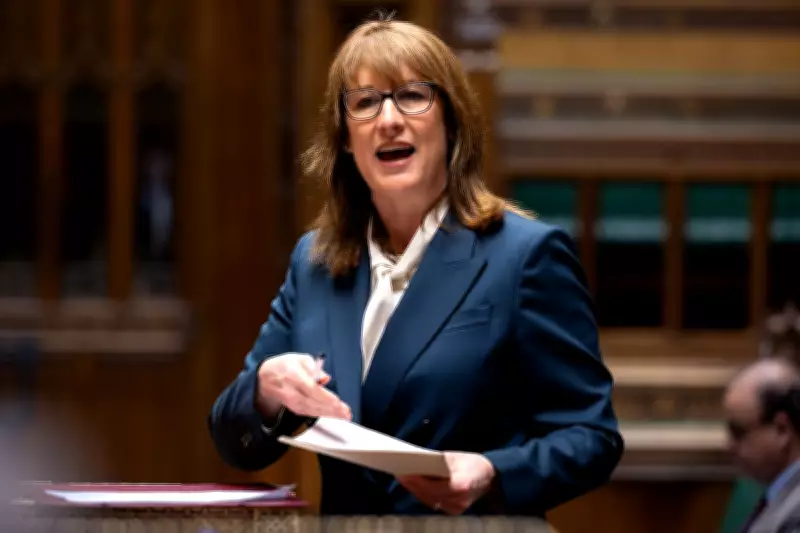
In a recent statement to the Commons, Chancellor Reeves criticised the previous Conservative government for providing "blanket" support following Russia's attack on Ukraine, which she claimed cost the country tens of billions of pounds. She emphasised that Labour ministers will focus on targeted assistance "to those who need it most," rather than universal handouts.
Reeves remarked, "Blanket help offered under Liz Truss gave the support to the most wealthiest of households and left us with high levels of national debt, a cheque written then for a bill that is still being paid today." While she indicated that more targeted support would be forthcoming, she noted that details would not be unveiled for at least another month.
Uncertainty and Final Decisions
Sources close to the chancellor have stressed that no final decisions have been made regarding the timing or scale of the support package. The Treasury is reportedly monitoring the situation closely, with officials emphasising the need for a data-driven approach to ensure resources are allocated effectively amid ongoing geopolitical tensions.
The Treasury has been contacted for further comment on the plans, but as of now, the autumn timeline remains the expected framework for major announcements. This cautious strategy reflects broader concerns about fiscal responsibility and the long-term economic impacts of the Iran war on domestic energy markets.