

Chancellor Reeves Under Fire for Shelving Windfall Tax Reforms
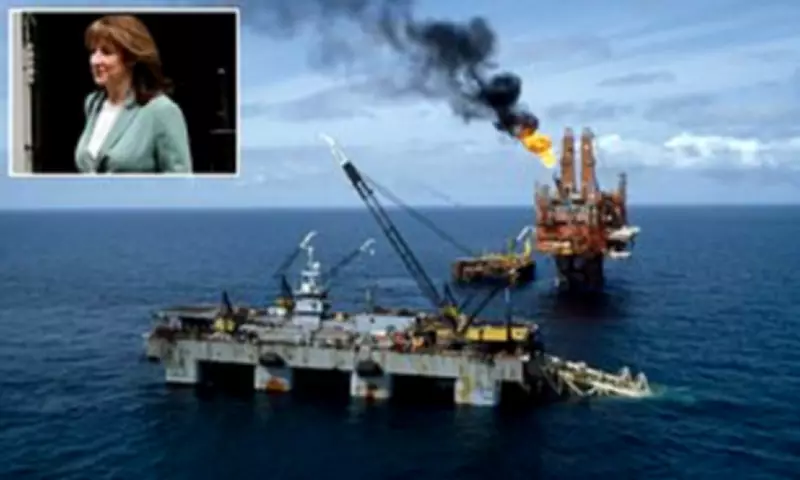
Chancellor Rachel Reeves has been accused of obstructing a massive £17.5 billion investment in North Sea oil and gas projects after postponing proposals to abolish a contentious windfall tax. The decision, made in the wake of the Iran war outbreak, has sparked outrage within the energy industry, which claims the move stifles economic growth and jeopardises energy security.
Backtracking on Tax Plans Amid Middle East Crisis
Following the escalation of conflict involving Iran, Reeves reversed earlier intentions to announce a premature termination of the Energy Profits Levy, a tax scheduled to expire in 2030. A surge in energy prices triggered by the Middle East turmoil prompted the Chancellor to put these plans on hold, a move that has infuriated oil and gas firms operating in the UK sector.
Industry reports indicate that companies have identified North Sea projects capable of delivering over a billion barrels of oil and gas equivalent by the decade's end. These firms reportedly informed the Chancellor early last month that they were ready to proceed with these investments, but only if the Government agreed to scrap the windfall tax ahead of schedule.

Industry Outcry and Political Pressure
One prominent industry figure condemned the delay in transitioning from the current Energy Profits Levy to an Oil and Gas Price Mechanism, labelling it 'economic illiteracy on steroids'. This criticism comes as Reeves and Energy Secretary Ed Miliband face mounting pressure to moderate their stance on UK oil and gas reserves.
Miliband has implemented a ban on new oil and gas exploration off Britain's coastline as part of his Net Zero agenda. However, in the aftermath of the Iran war, Labour MPs and trade unions are urging the government to permit additional drilling to enhance energy security and support jobs.
Tax Burden and Investment Viability
The Energy Profits Levy was initially introduced as a temporary measure by the previous Conservative government following Russia's full-scale invasion of Ukraine, which caused a sharp increase in energy prices. When combined with other taxes, oil and gas companies operating in the UK currently face an overall tax rate of 78 per cent.
The proposed Oil and Gas Price Mechanism, which would only apply when oil and gas prices exceed a specific threshold, is intended to replace the Energy Profits Levy from 2030, or earlier if a price floor is activated. Government ministers had been engaging in months of discussions with industry representatives to explore ending the levy before March 2030, but these plans were shelved when the Iran conflict began.
Economic Implications and Government Response
Sources within the energy sector have warned that without a comprehensive tax overhaul, it would remain financially unfeasible to advance a multi-billion pound investment programme. One insider stated: 'Oil and gas companies have had their North Sea profits all but wiped out by a punitive energy profits levy that has made the UK virtually uninvestable.'
The source further argued that the government is mistakenly conflating larger global profits with the modest returns in the North Sea, emphasising that every £1 invested by the oil and gas sector generates approximately twice that amount in gross value added, potentially adding over £30 billion to the UK economy.
However, a Government source countered that oil and gas companies are likely to reap significant profits due to the Middle East crisis, at a time when public finances are under increasing strain. 'Iran totally changed the dynamics,' they remarked.
A Government spokesperson defended the decision, stating: 'We're giving the sector and its investors the long-term certainty to plan, invest and support jobs with plans to replace the Energy Profits Levy when it ends by 2030, or earlier if its price floor is triggered. We are also making sure the North Sea has a prosperous and sustainable future through record investment that helps deliver the next generation of skilled jobs while growing the clean energy industries of the future.'






