RAC's Ultimate Fuel-Saving Guide Amid Soaring Prices and Supply Concerns
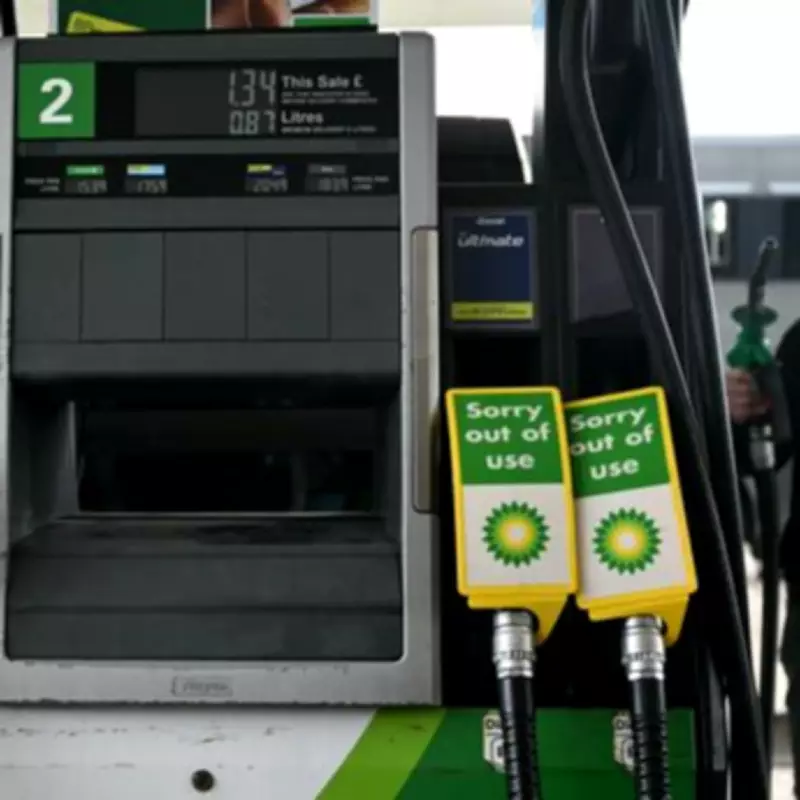
Motorists across the UK are grappling with a sharp rise in fuel prices, driven by ongoing conflict in the Middle East, while some have encountered limited supplies at local garages. The government, however, maintains that petrol stations are "well stocked nationally", despite these isolated incidents.
Fuel Price Surge and Supply Assurance
According to the RAC, the average cost of a litre of diesel has skyrocketed to 181.2p, marking a 27% increase from 142.4p on February 28, when the war began. Petrol prices have also climbed, reaching 152.0p per litre, up 14% from 132.8p over the same period. A Downing Street spokesman addressed concerns about potential shortages, stating, "We’ll always plan for all eventualities". He emphasised that fuel production and imports continue, with the UK benefiting from diverse and resilient supply chains, and any suggestion of widespread shortages is incorrect.
RAC's Top 10 Fuel-Saving Tips
With costs escalating, the RAC has compiled an ultimate guide to help drivers economise. Here are their key recommendations:

- Maintain Your Vehicle: Regular servicing and correct tyre pressures improve efficiency and reduce fuel consumption.
- Know When to Accelerate: Excessive speed and acceleration increase fuel use. Stick to speed limits, but drive to conditions, with optimal economy often between 45-50mph.
- Use the Highest Gear Possible: Drive in the highest gear within speed limits to minimise engine revs and fuel usage.
- Anticipate Road Conditions: Drive smoothly, anticipate hazards, and use momentum on hills to conserve fuel.
- Use Cruise Control Wisely: Effective on flat surfaces like motorways, but avoid on gradients where it can increase consumption.
- Remove Roof Bars and Boxes: These create drag, adding up to 39% more fuel use at high speeds.
- Limit Air Conditioning and Heating: Both use engine power, though newer cars are more efficient; dress appropriately to reduce reliance.
- Combine Journeys: Warm engines are more efficient, so group errands into single trips.
- Don't Carry Unnecessary Weight: Extra items in the boot add weight and reduce fuel economy.
- Use Technology: Employ stop-start features when stationary for over 10 seconds to save fuel compared to idling.
The RAC notes that while buying a more fuel-efficient car is an option, these practical tips can help all motorists save money and reduce environmental impact without major investments.