

Puerto Rico Solar Funding Crisis: $350M Cut Leaves 12,000 Families in Limbo
Nearly 200 organisations are urgently calling on the Trump administration and Puerto Rico's governor to restore $350 million in federal funding that was originally allocated to finance the installation of rooftop solar and battery systems for 12,000 low-income families across the U.S. territory. This critical funding, which has now been cancelled, was designed to provide reliable electricity to vulnerable households, many of which include individuals with disabilities or serious medical conditions.
Life or Death Situation for Vulnerable Residents
Concern is mounting that the United States will abandon these families as chronic power outages continue to plague the island and the Atlantic hurricane season approaches. Charlotte Gossett Navarro, Puerto Rico chief director for the Hispanic Federation, emphasised the severity of the situation in a phone interview, stating, "For them in particular, whether they get a solar system or not is something that is really life or death."
The Hispanic Federation is among the organisations that signed a letter released on Wednesday to Puerto Rico Governor Jenniffer González and U.S. Energy Secretary Chris Wright. This nonprofit was one of seven groups that were scheduled to help install the solar systems and educate families about their use. Some of these organisations are now formally objecting to the cancellation of the funds or negotiating with the U.S. Department of Energy.

Governor's Response and Grid Investment Shift
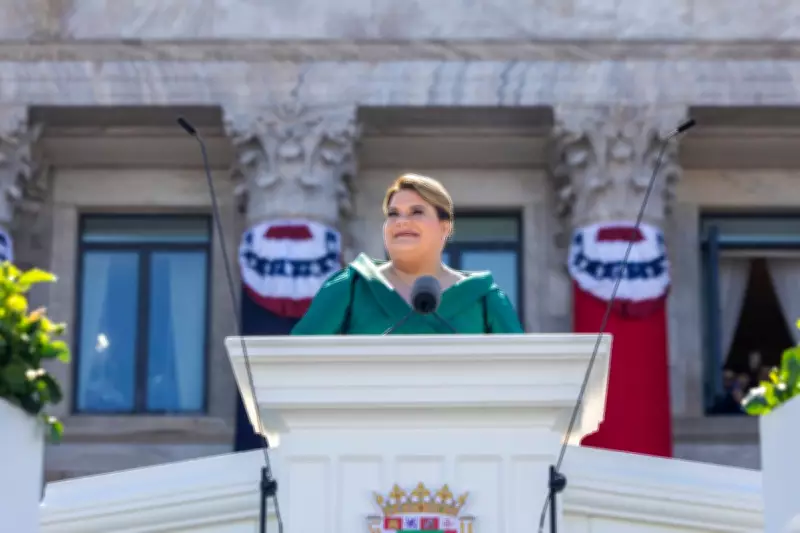
Governor González has defended her administration's position, claiming they "had no choice" because the federal government decided it would not provide Puerto Rico with those funds. The money is now expected to be invested in the island's crumbling power grid, which was devastated by Hurricane Maria in 2017 and had already deteriorated due to years of inadequate investment and maintenance.
This shift comes despite the fact that not everyone can afford to install solar systems on an island with a population of approximately 3.2 million people and a poverty rate exceeding 40%. Gossett Navarro revealed that they have received no answers to pending questions about the funding as a May 9 deadline approaches, marking the end of a program that, for some families, has not even begun.
Families Left in Desperate Circumstances
Crews had already installed solar systems in more than 6,000 households as part of the program, but another 12,000 families now remain in limbo. Among them is Yvette Rodríguez, 61, who requires a sleep apnea machine, and her husband, Luis Soler, a 67-year-old veteran and double amputee who relies on an electric adjustable bed.
"There's a big need for those solar panels," said Rodríguez, who resides on the small Puerto Rican island of Culebra with her husband. He needs air conditioning because he has heart problems and lives in a region where heat warnings are common. Rodríguez also lamented that ongoing power outages force them to discard spoiled food, stating, "We're affected economically in a big way because we have to spend what little money we have so that we can eat."
Elderly Residents Particularly Hard Hit
Also impacted by the cut in federal funding is María Pérez, 80, and her 88-year-old husband. Pérez suffers from high blood pressure and heart problems that have led to multiple hospitalisations. She also requires eyedrops for her cataracts that need refrigeration. "I put them on ice, but it's not the same," she explained. "They have us suffering with that money that they took away from us. It's not fair."
Pérez receives just $364 per month via a Social Security check, but like many Puerto Ricans, her power bill often amounts to the same sum. Gabriela Joglar Burrowes, executive director of Puerto Rico's Statewide Independent Living Council, was among those who signed the letter to Governor González and Secretary Wright. She stressed that having solar panels would not only provide constant electricity but also peace of mind.

Critical Need for Consistent Energy
"If you're a person who depends on equipment like a ventilator, a dialysis machine or medicine that requires refrigeration, the lack of consistent energy represents a risk that could lead to even death," Joglar Burrowes warned. As a disabled individual herself, she emphasised that thousands of families had been waiting a long time for the solar systems and should not be forgotten. "It seems like sometimes we're disposable, and we're not," she asserted.
Program Progress and Geographic Challenges
Some of the 12,000 families have already received initial eligibility screenings, while others have undergone home visits or started repairing their roofs in preparation for solar system installations. Most families live in rural communities, including mountainous towns such as Adjuntas, Jayuya, and Orocovis.
"It's even more concerning," noted Gossett Navarro. "It's hard to get out of the mountains when there's a disaster." The U.S. Department of Energy states on its website that some people will eventually receive a system, but officials have not specified who will benefit or when the installations might occur, leaving countless families in a state of uncertainty as critical deadlines approach.





