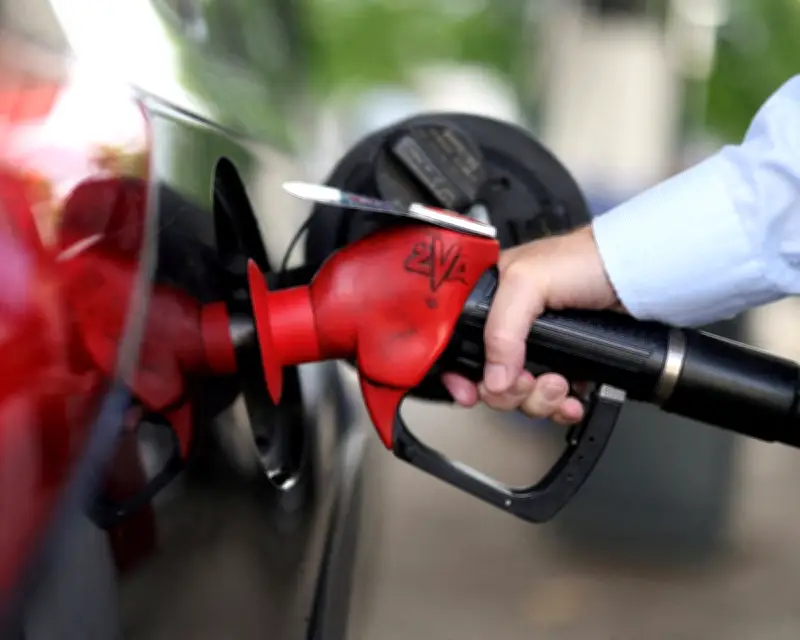
The 16-cent fuel excise discount ends on Sunday, returning the tax to its normal level on 3 August and adding 16 cents per litre to wholesale petrol and diesel prices. Energy minister Chris Bowen confirmed on Saturday the government would not extend the temporary cost-of-living relief.
"Obviously we always monitor the situation and take steps as necessary, but our policy decision is clear," Bowen told reporters.
What the excise change means
The 32-cent per litre reduction introduced in March at the peak of the fuel price spike was halved to 16 cents in July. The return to full excise adds 16 cents to every litre, which would increase the cost of filling a 55-litre tank by $8.80.
Tom Woodlock, a senior market analyst at Argus Media, said service stations typically took four or more days to adjust pump prices to match changes in excise or overseas pricing.
Petrol prices already above $2 in some cities
Unleaded petrol has risen to 205.6 cents per litre in Canberra, 204.4 in Darwin and 200.5 in Hobart, according to MotorMouth data on Saturday. Petrol costs more than 190 cents in every capital city, meaning it would pass 200 cents if the 16-cent increase is passed on in full.
Retailers have already passed higher wholesale costs to customers after the US resumed strikes on Iran in mid-July, pushing up oil and import costs.
Diesel prices climb further
Melbourne was facing diesel prices of 242.7 cents per litre on Saturday, up 68 cents from its June low of 173.9 cents. Canberra was at 244.4 cents a litre, Darwin at 244.1 and Hobart 241.8. Diesel costs more than 235 cents per litre in every capital city except Perth, meaning it would pass 250 cents if service stations pass on the price hike in full.
Oil market pressures
The Strait of Hormuz has been almost completely closed to traffic since Iran and the US returned to fighting two weeks ago. Iran struck two tankers under US escort on Friday after the two countries resumed trading strikes this week.
Brent crude, the global benchmark, has risen from about US$70 on 2 July to nearly US$90 on Saturday, pushing up import prices in Australia's region. Some analysts have predicted oil prices will return to US$100 a barrel if the conflict continues. In March, when oil hit that price and Australia had no fuel excise relief, petrol surpassed 250 cents a litre and diesel passed 300 cents.
Inflation and household budgets
Economists have credited the excise discount with suppressing Australia's inflation rate and supporting household spending as the economy weakens. Shane Oliver, AMP's chief economist, said the loss of the discount could push petrol prices up to 210 cents a litre.
"This will push up headline inflation again as well as the cost of the average household's weekly fuel bill by around $20," Oliver said.
Bowen defends decision, warns against panic buying
Bowen defended the decision to end the discount and the related heavy vehicle road user charge paid by trucks. He warned against panic buying and repeated the government's call for motorists to buy only the amount of fuel they need.
"I think Australians have understood … this is a temporary measure," he said.
Fuel supplies secure
Bowen said Australia had 43 days' worth of petrol stocks, 39 days of diesel and 34 days of jet fuel. As of Saturday, 44 fuel ships were on the way to Australia with 3.1bn litres set to be delivered in the coming month, consistent with previous weeks.
Fuel orders were locked in through up to October, and no orders to Australia had been cancelled during the international crisis, Bowen said.