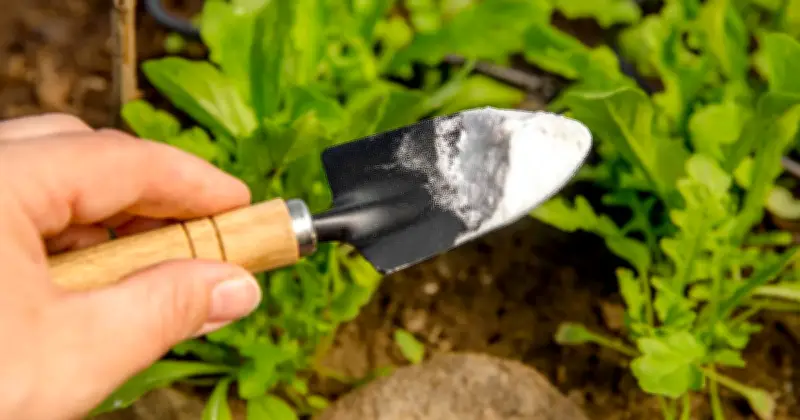
As autumn arrives, gardeners are being encouraged to add baking soda to their routine to protect plants from fungal infections. A gardening expert known as Ish told his TikTok followers that bicarbonate of soda can be turned into a simple spray to guard against issues like black spot and powdery mildew.
Why baking soda works
Ish explained: "Baking soda, or bicarbonate of soda, is absolutely fantastic to use in your garden. Not only does it have antibacterial and antifungal properties, but it can be turned into a simple spray to protect your plants from all sorts of fungal infections. That's like black spot, even things like powdery mildew, which can be such a pain, but easily dealt with."
Fungal infections in plants can develop due to environmental conditions, particularly as the autumn and winter months approach, Ish added. He also suggested trimming a few leaves to improve airflow, which can help "massively", and watering directly into the soil rather than onto the foliage to reduce moisture and lower the risk of fungal infections.
How to make the spray
To make the spray, use a spray bottle and a box of baking soda. For every teaspoon of baking soda, add 500ml of water to the bottle. Shake the bottle vigorously to ensure the powder has dissolved properly, then set the nozzle to the mist setting and disperse the liquid evenly onto plants once a week for best results.
Excessive use can lead to a buildup of sodium in the soil, which may be harmful to plants, so it is best to stick to a weekly misting schedule. While baking soda is effective against certain mild fungal problems such as powdery mildew, it will not eliminate other fungi, including those responsible for root rot, rust or black spot. The alkaline ingredient should also be kept away from acid-loving plants if there is a chance it will wash into the root area.
Other autumn garden jobs
October is also a good time to focus on other gardening tasks that prevent small problems from turning into winter headaches. These include clearing out spent summer plants, sweeping up fallen leaves so lawns do not get smothered and paths do not get slippery, and tidying borders by cutting back perennials that have finished.
It is also a good time to protect anything tender – move pots to shelter, add fleece or mulch, and lift and store delicate bulbs and tubers before the first frosts. If there are concerns about the condition of plants, seeking guidance from an expert on the best treatment approach is recommended, as sometimes additional assistance is required.