

Petrol Prices Set for 4p Per Litre Drop as Wholesale Costs Ease, AA Reports
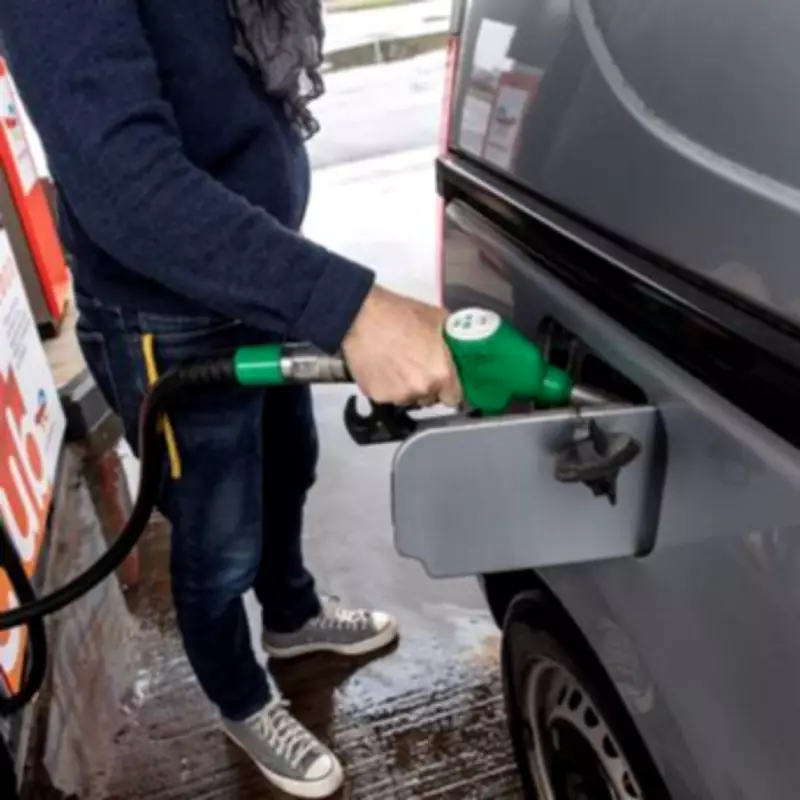
Motorists across the UK could soon see a welcome reduction in fuel costs, with the AA forecasting a potential 4p per litre cut in petrol prices. This anticipated decrease comes as wholesale fuel costs have eased significantly, offering some relief from the recent surge in pump prices driven by geopolitical tensions in the Middle East.
Wholesale Cost Fluctuations Signal Pump Price Changes
According to the motoring group, the wholesale cost of petrol has shown notable volatility in recent days. On Tuesday, it stood at approximately 67p per litre before dropping to a low of 59.5p. However, it has since rebounded to 63p per litre. Despite this fluctuation, the AA maintains that a 4p per litre reduction in average pump prices remains feasible. Similarly, diesel wholesale costs have fallen from a peak of 102p per litre to below 82p, though they have risen to 87p as of Thursday. This still represents a substantial 15% decline from recent highs.
Current Pump Prices and Expected Timeline
Latest data reveals that average pump prices continue to climb, with petrol reaching 158.0p per litre and diesel at 190.8p per litre. The AA cautions that any reduction is unlikely to materialise this weekend but could occur next week. Luke Bosdet, the AA's spokesman on pump prices, explained, "Based on the fuel industry's rule of thumb of a 10 to 14-day lag between wholesale cost movements and those at the pump, drivers should expect prices on forecourts to level by next weekend and then fall – providing the ceasefire holds."

Geopolitical Factors Influencing Fuel Markets
The recent conflict in the Middle East triggered a sharp increase in oil prices, with Brent crude jumping nearly 4% to over $98 a barrel on Thursday amid cracks in the new two-week ceasefire. This remains well below the near $120 per barrel peak seen in recent weeks. The situation remains precarious, with little sign of tensions easing. A wave of deadly missile attacks by Israel on Lebanon has cast doubt on the ceasefire's stability, impacting market confidence.
Vandana Hari, founder of oil market analysis provider Vanda Insights, noted, "The chances of a meaningful reopening of the Strait of Hormuz any time soon look dim." This vital waterway, which typically carries about 20% of global oil and gas flow, connects supplies from Gulf producers like Iraq, Saudi Arabia, Kuwait, and Qatar to international markets.
Market Sentiment and Economic Implications
Dan Coatsworth, head of markets at broker AJ Bell, observed, "There is an air of renewed nervousness pervading financial markets after the euphoria which was initially prompted by the US-Iran ceasefire. This agreement already seems to be fraying at the edges – with continued strikes by Israel on Lebanon a key sticking point." He added that while there is optimism the fragile peace will hold, a swift return to pre-war conditions is unlikely, with infrastructure damage and inflationary pressures expected to persist for months.
The International Monetary Fund is poised to slash its global economic forecasts due to the conflict's impact. Kristalina Georgieva, the fund's managing director, stated, "Had it not been for this shock, we would have been upgrading global growth."
In summary, while drivers may see a modest reprieve at the pumps next week, the broader outlook remains uncertain, heavily dependent on geopolitical developments in the Middle East and their ripple effects on global energy markets.






