Good morning, and welcome to our rolling coverage of business, financial markets, and the global economy. A wave of complacency that the Middle East conflict might be nearing an end has abruptly vanished from the markets today, replaced by growing concern that the fragile ceasefire between the United States and Iran could collapse.
Ceasefire on Tenterhooks as Tensions Flare
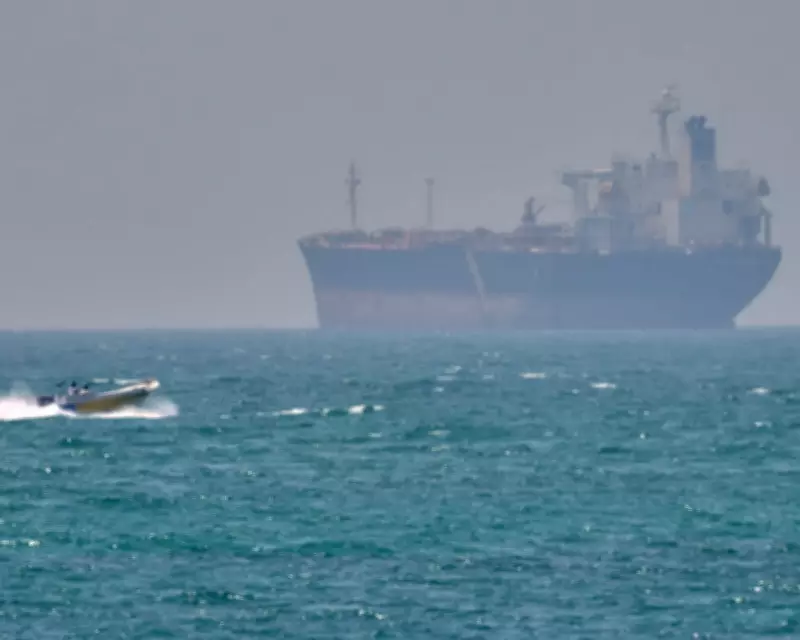
After tumbling sharply on Friday when the Strait of Hormuz was declared open again, oil prices are now pushing aggressively higher. This reversal follows Iran's announcement that it has closed the critical waterway once more, directly blaming Washington DC for maintaining its own blockade on Iranian ports. In a swift response, the United States seized an Iranian-flagged cargo ship that attempted to navigate through the strait.
Former President Donald Trump escalated the rhetoric on social media, stating: "We have full custody of their ship, and are seeing what’s on board!" Meanwhile, Iranian state media reported that Tehran currently has no plans to participate in new talks with the US, further darkening the diplomatic outlook.

Market Reaction and Analyst Insight
Brent crude, which plummeted by 9% on Friday, has now surged by 5% so far today, climbing back to $95.60 a barrel. Kyle Rodda, a senior financial market analyst at capital.com, observed that there had been "a high degree of complacency" that the ceasefire would hold and a substantive peace deal would materialise. Those hopes for de-escalation are now under severe threat.
Rodda elaborated: "The markets are set for a spicy start to the week, with initial moves in futures and FX violent. Tensions about the control and closure of the Strait of Hormuz have flared again, threatening peace talks between the US and Iran. While the ceasefire hasn’t formally broken down, it is on tenterhooks after Iran reversed its decision to end its blockade on the grounds that the US is still blockading Iranian ports."
Escalating Actions and Global Risks
The situation on the ground has intensified. Iran has reportedly fired upon ships attempting to pass through the Strait of Hormuz, forcing them to turn around. Concurrently, the US took control of an Iranian-flagged vessel by force. Although it remains in both nations' best interests to de-escalate, the elevated risk of failure persists. A breakdown could plunge the global economy deeper into a protracted energy crisis, disrupting oil supplies and inflating prices worldwide.
Today's Economic Agenda
7am BST: German producer prices for March are released, offering insights into inflationary pressures in Europe's largest economy.
10am BST: Eurozone construction output data for February is published, indicating the health of the regional construction sector.
1.30pm BST: Canadian inflation figures for March are unveiled, a key metric for the Bank of Canada's monetary policy decisions.