Oil Prices Surge to Multi-Month Highs as US-Iran Tensions Escalate
Global oil markets are experiencing significant volatility, with prices climbing sharply amid growing fears of a potential military conflict between the United States and Iran. This surge comes as diplomatic efforts to resolve longstanding disputes over Iran's nuclear program have stalled, heightening geopolitical risks in a critical energy-producing region.
Price Movements and Market Reactions
Oil benchmarks have reached their highest levels in months following a series of concerning developments. On Wednesday, prices jumped more than 4 percent, with the upward trend continuing into Thursday morning. The global benchmark Brent crude surpassed $71 per barrel, marking its highest price since August of the previous year. Meanwhile, US oil reached approximately $66 per barrel, representing a six-month high for American crude.
Analysts attribute this price surge directly to escalating US-Iran tensions. "Geopolitical issues, above all Iran, are the key bullish factor in the oil market at the moment," explained Ben Cahill, an energy analyst at the University of Texas-Austin. "Otherwise there's not a whole lot of price support toward $70 per barrel."

Trump's Stark Warning to Iran
The price increases coincide with President Donald Trump's first meeting of the newly established Board of Peace on Thursday. During this session, Trump delivered a clear ultimatum to Iran, stating that the nation "must make a deal" with the United States or face severe consequences. "Good talks are being had. It's proven to be, over the years, not easy to make a meaningful deal with Iran. We have to make a meaningful deal, otherwise bad things happen," Trump declared.
The President emphasized that Iran "cannot have a nuclear weapon" and suggested that developments would become clearer "over the next, probably 10 days." Vice President JD Vance reinforced this stance, noting that Iran continues to ignore Washington's core demands and indicating that military strikes remain a viable option.
Supply Concerns and Market Vulnerabilities
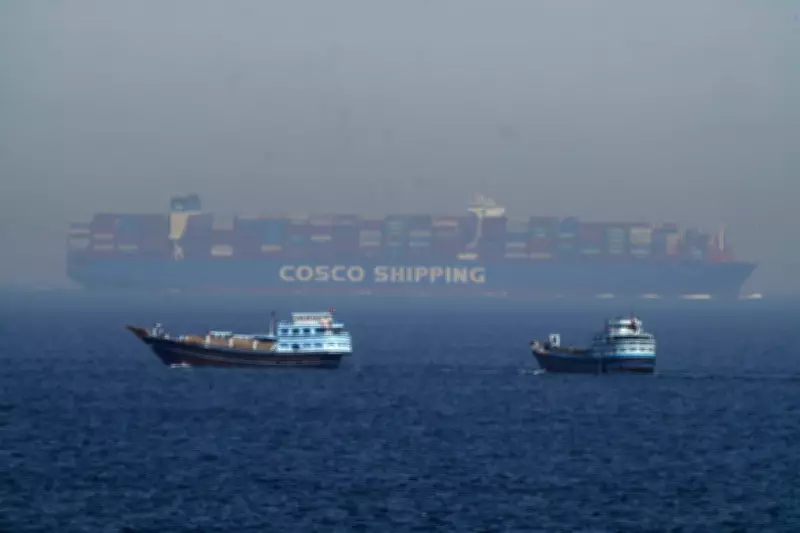
Market anxiety stems from Iran's significant role in global oil production. As one of the world's top oil producers, responsible for approximately 5 percent of global output, any conflict involving Iran could severely disrupt world supply. The nation exports about 1.5 million barrels of crude oil daily, with approximately 20 million barrels flowing through the strategically vital Strait of Hormuz each day.
Analysts at ING highlighted the growing challenges: "With a deal looking increasingly difficult to reach, it also means it will be more challenging to find a route to de-escalation, especially following the U.S. military build-up we have seen in the region. And if de-escalation is not possible, the key question will then be what type of action the U.S. takes and how Iran responds to this."
Limited Capacity to Offset Potential Disruptions
While the United States has substantially increased its domestic oil production over the past 15 years—nearly tripling output—concerns remain about the global market's ability to absorb potential supply shocks. RBC Capital Markets analysts warned in a recent note: "We continue to contend that the only meaningful spare capacity is sitting in Saudi Arabia, and if OPEC does decide to bring forward more production in the spring, the cupboard will be exceedingly bare if there are any major supply disruptions stemming from a U.S./Iran conflict."
This assessment comes despite America's current abundance of oil, which has reportedly given the Trump administration greater flexibility in dealing with nations like Iran and Venezuela without immediately impacting domestic gas prices. However, recent data shows US crude and gasoline inventories unexpectedly fell last week, contrary to analyst predictions of a 2.1 million barrel increase.
Ongoing Monitoring and Future Implications
Market participants are closely watching official US oil inventory reports from the Energy Information Administration, due Thursday, for further indications of supply dynamics. The combination of diplomatic stalemate, military posturing, and fundamental supply concerns has created a perfect storm in oil markets, with prices likely to remain volatile as the US-Iran situation develops.

The current price surge reflects not just immediate geopolitical tensions but also broader concerns about global energy security and the delicate balance between supply and demand in an increasingly uncertain political landscape.