

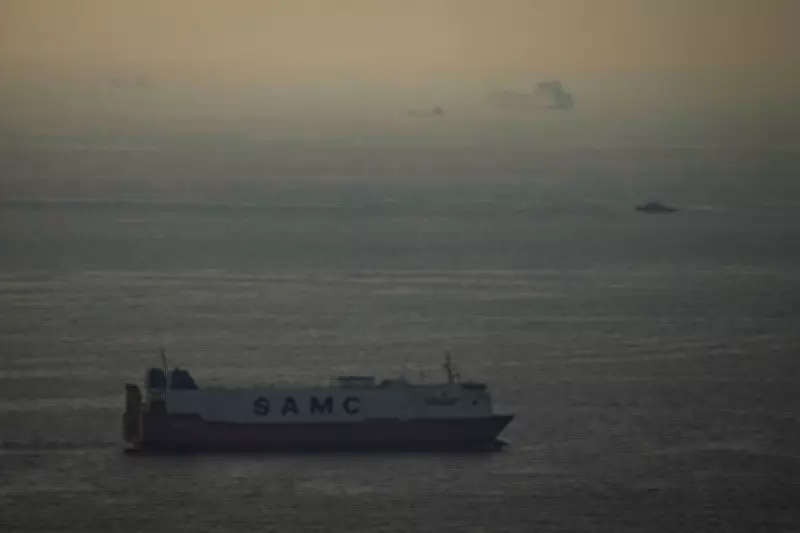
Oil prices have experienced a significant decline following Iran's declaration that 'non-hostile' ships are permitted to pass through the Strait of Hormuz. However, maritime intelligence indicates that traffic through this critical energy chokepoint remains drastically reduced, with only five vessels tracked transiting on Monday, a sharp drop from the average of 120 daily transits before the conflict erupted on 28 February.
Iran's Conditions for Safe Passage
In a formal statement to the United Nations Security Council and the International Maritime Organization on Tuesday, Iran's foreign ministry outlined that vessels may benefit from safe passage provided they do not participate in or support acts of aggression against Iran. Additionally, ships must fully comply with declared safety and security regulations and coordinate with Iranian authorities. The statement lacked specific details on these regulations or the process for seeking clearance, leaving many shipping companies uncertain.
Reports from Bloomberg suggest that Iran has begun imposing transit fees on certain commercial vessels navigating the strait, adding another layer of complexity to the situation. Data from MarineTraffic showed nine vessels crossed in the 24 hours leading to Tuesday morning, with some movements occurring outside the official shipping lanes near Iran's Qeshm Island. This has raised questions about whether this activity represents a genuine resumption of traffic or a more selective and constrained pattern of passage.

Global Energy and Economic Impacts
The effective closure of the Strait of Hormuz, which normally handles 20% of the world's oil and gas, has triggered the most severe energy supply shock in history. This disruption has sent fuel prices soaring and caused significant upheaval in global aviation and other sectors. With approximately 400 vessels reported waiting outside the strait, the impact extends beyond energy, threatening food supply chains as Gulf nations supply 49% of the world's exported urea, crucial for fertilisers.
Asia, which purchases over 80% of the crude oil transiting the strait, is at the forefront of this crisis. Governments across the region are implementing emergency measures, such as enforced work-from-home policies, stimulus packages reminiscent of the Covid-19 pandemic era, public holidays, and school closures, to mitigate fuel shortages and economic strain.
Diplomatic Developments and Market Reactions
Oil prices have been highly volatile, reacting sharply to diplomatic signals. Brent crude fell more than 9% on Wednesday after reports emerged that the Trump administration had presented Iran with a 15-point ceasefire plan to end the war. This marked the sharpest single-day drop since the conflict began. Concurrently, Asian stock markets rallied, with Japan's Nikkei 225 rising 2.3% and South Korea's KOSPI up 2.6% by early Wednesday morning.
Iran's statement placed blame for the disruption squarely on the United States and Israel, citing their 'unlawful and destabilising war' as a threat to regional peace and international shipping. Tehran emphasised that full security restoration in the strait is contingent on a cessation of military aggression. Despite Iran's insistence that the strait remains open except to adversary vessels, traffic levels are at roughly 4% of pre-war norms, effectively transforming this free international passage into a controlled corridor dependent on Iranian approval.
Political Tensions and Negotiations
Former President Trump commented on Tuesday that the US is engaged in negotiations with 'the right people' in Iran to conclude the war, asserting that Iranians are eager to reach a deal. This claim was promptly rejected by Iranian officials. Ebrahim Zolfaqari, a top spokesperson for Iran's joint military command, mocked Trump's remarks on state television, questioning if the US leader was 'negotiating with himself' and stating that reconciliation between the two sides is impossible.
The ongoing standoff highlights the fragile nature of global energy security and the profound economic repercussions of geopolitical conflicts in key maritime routes. As diplomatic efforts continue, the world watches closely for signs of a resolution that could stabilise oil markets and restore normalcy to international shipping lanes.






