

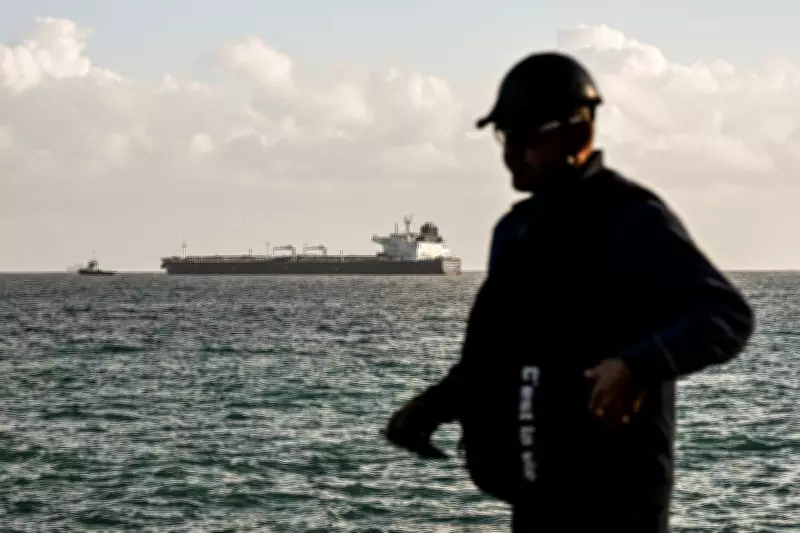
The End of Cheap Oil: A New Reality for Global Markets
The geopolitical fallout from the conflict between the United States, Israel, and Iran has fundamentally reshaped global oil markets, with experts warning that prices may never return to what was once considered "normal." The strategic Strait of Hormuz, which typically facilitates approximately 20% of the world's oil and gas shipments, remains effectively closed to shipping traffic, creating deep uncertainty that has added a persistent "risk premium" to oil prices.
Supply Chain Friction and Rising Costs
Multiple factors are compounding the disruption. Rising insurance costs, significantly reduced ship traffic, and longer transit routes that avoid the volatile Middle East region have all introduced substantial friction into global oil supply chains. While oil prices have retreated below US$100 per barrel this week amid renewed hopes for a peace deal, they remain elevated compared to historical norms.
Before the outbreak of war in the Middle East, benchmark oil prices had consistently hovered between US$70 and US$80 per barrel since 2023. This range represented the average for much of the past two decades during stable periods. The central question now is not merely about short-term supply disruption but whether the fundamental era of cheap oil has conclusively ended.

The Ripple Effect of Higher Oil Prices
The impact of elevated oil prices extends far beyond the fuel pump. While increased costs for petrol, diesel, and jet fuel directly affect commuting, freight transport, and travel, the consequences permeate numerous sectors. Many fertilisers are petrochemical products, exposing global agriculture to significant price shocks.
According to the US Department of Energy, petrochemicals derived from oil and gas are involved in manufacturing more than 6,000 everyday products. This extensive list includes:
- Pharmaceutical products such as aspirin
- Consumer goods like dishwashing liquid and toothpaste
- Various dyes and colourants
- Building materials including asphalt, insulation, paint, and pipes
The construction industry faces particular challenges, as manufacturing bricks and ceramic products is gas-intensive, and transporting materials to sites adds further cost pressures. This contributes to another headwind for housing affordability in an already strained market.
Historical Context and Current Challenges
The world has experienced numerous oil shocks throughout history, typically met with new discoveries, technological advancements, and substitution strategies. When analysts previously predicted oil shortages, innovations such as deepwater drilling pioneered by companies like Chevron and the development of fracking to extract oil from shale unlocked new supplies, particularly in the United States.
However, the current situation presents different challenges. Production facilities across the Middle East have sustained major damage that may require years to repair. The fundamental question has shifted from whether oil exists in the ground to whether it can be supplied cheaply, reliably, and at scale in the foreseeable future.
From "Just-in-Time" to "Just-in-Case" Economics
Until 2020, global economies operated primarily on "just-in-time" principles, assuming resources would always be available when needed. The pandemic and subsequent war in Ukraine revived "just-in-case" strategies, where countries maintain surplus reserves to buffer against disruptions.
This approach introduces significant new costs:
- Purchasing and maintaining extra oil and gas stocks
- Building new storage infrastructure and facilities
- Increased insurance premiums for larger reserves
- Refined management systems to ensure operational efficiency
These additional expenses must ultimately be absorbed by economies, contributing to the persistent risk premium in oil markets.

Adaptation and the Path Forward
The end of cheap oil does not signal the end of oil dependence but rather necessitates adaptation to higher costs embedded throughout daily life. Governments face mounting pressure to subsidise fuel, expand strategic stockpiles, and intervene in markets, potentially leading to larger budget deficits. Households will likely have less disposable income for non-essentials as living costs increase.
Early signs of adaptation are already emerging globally:
- Reduced travel and increased use of public transport
- Accelerated electrification of vehicles and homes
- Industrial investment in efficiency measures and green energy alternatives
While these adaptations may reshape oil dependence, they do not eliminate it. The fundamental challenge remains managing a world where oil continues to be essential but is no longer cheap, stable, or politically neutral. The road ahead may be rocky, and a return to the previous "normal" appears increasingly unlikely as global supply chains undergo permanent transformation.





