TotalEnergies CEO Defies Trump's Pressure to Re-enter Venezuelan Oil Market
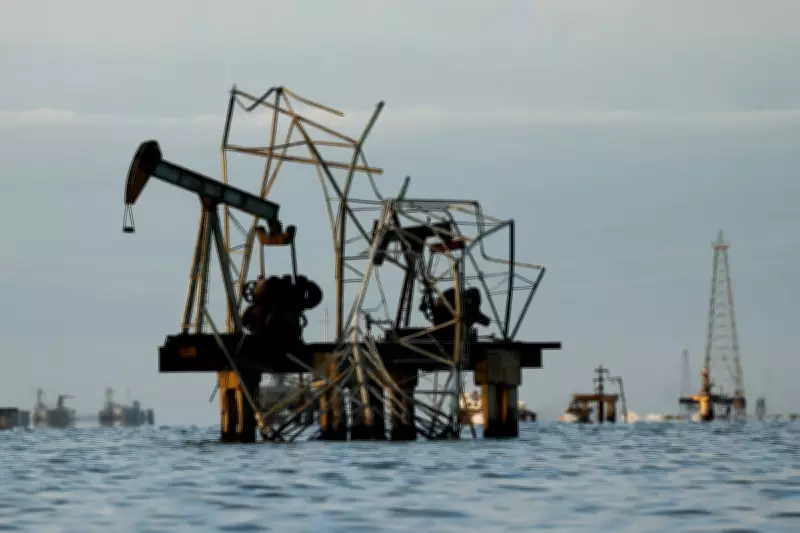
The CEO of French energy giant TotalEnergies, Patrick Pouyanne, has publicly rejected calls from former U.S. President Donald Trump to reinvest in Venezuela's oil industry, citing prohibitive costs and environmental concerns. Pouyanne emphasised that the company's exit from the South American nation in 2022 was a strategic decision that remains valid today.
High Costs and Pollution Cited as Key Barriers
In a firm statement, Pouyanne declared, "It was too expensive and too polluting and that is still the case." This rebuff comes despite Trump's aggressive push for U.S. and international energy firms to pour $100 billion into rebuilding Venezuela's oil sector following the dramatic U.S. military operation that captured ousted President Nicolas Maduro on January 3, 2026.
Trump had vowed to "run" Venezuela until stable democratic elections could be held, pledging full support to companies that invested. He controversially claimed past failures in the region were due to his absence from office, asserting, "because they didn't have Trump as a president."

TotalEnergies in No Rush Despite Political Pressure
Pouyanne's announcement aligns with his earlier comments at Abu Dhabi Sustainability Week in mid-January, where he cautioned against a hasty return. "People want to rush back, but it will require a clear framework to be able to invest there and it will take time," he explained, noting that significant production increases would demand massive capital.
He elaborated, "Maybe you could easily add 100,000 or 200,000 barrels per day of additional production, but if you think about adding 1 million barrels per day, it will require $100 billion." This stance reflects broader industry hesitancy, with Exxon Mobil CEO Darren Woods also labelling Venezuela "uninvestable," prompting Trump to threaten excluding the company from future operations.
Controversy Over U.S. Control of Venezuelan Oil Proceeds
The political backdrop includes accusations that Trump plotted to seize Venezuela's oil reserves "at gunpoint." In early January 2026, the U.S. Department of Energy unveiled a scheme to control all oil sales proceeds in U.S.-managed accounts, with the largest reportedly in Qatar, purportedly to benefit both American and Venezuelan peoples.
Senior officials defended using Qatar as a neutral location to safeguard funds from seizure. However, critics like Senator Elizabeth Warren condemned the move, stating, "There is no basis in law for a president to set up an offshore account that he controls so that he can sell assets seized by the American military. That is precisely a move that a corrupt politician would be attracted to."
Industry and Political Fallout Continues
As TotalEnergies stands firm on its exit, the clash highlights the tension between political ambitions and corporate strategy in volatile regions. With Maduro's capture marking a pivotal moment, the future of Venezuela's oil industry remains uncertain, caught between reconstruction efforts and practical economic realities.