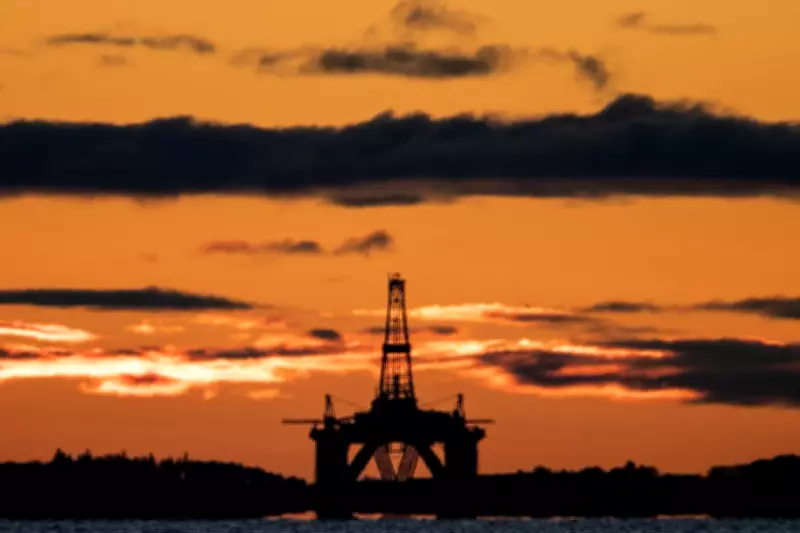
Oil prices have surged back above the critical threshold of 100 dollars per barrel, while global stock markets continue to experience significant declines. This volatility comes as the United States announced a temporary loosening of sanctions on Russian oil, a move aimed at promoting stability in worldwide energy markets.
US Sanctions Relief and Market Impact
The US Treasury Secretary, Scott Bessent, confirmed that America is temporarily permitting designated "permit countries" to purchase Russian oil that is already in transit. This short-term measure is intended to "promote stability in global energy markets" and help "keep prices low" for consumers. Bessent emphasised that this action would "not provide significant financial benefit to the Russian government," framing it as a necessary step to mitigate supply shortages.
International Energy Agency Warning
The International Energy Agency issued a stark warning on Thursday, stating that the flow of oil through the Strait of Hormuz has diminished to "a trickle." The agency highlighted that the ongoing war in Iran is causing what it described as the "largest supply disruption in the history of the global oil market." This alarming assessment comes despite a coordinated effort by a 32-nation alliance to release a record 400 million barrels of oil reserves to curb potential shortages.

Specific Waivers and Global Reactions
In addition to the broader sanctions relief, Bessent discussed a 30-day waiver for Indian refiners, who had previously been barred from purchasing Russian oil. He explained that this waiver was granted because "Russian barrels are on the water and it is a quick source for the Indian refineries." Bessent expressed hope that this would be a "micro period" of benefit, acknowledging the unfortunate necessity of the measure.
Stock Market Declines and Currency Fluctuations
European stock markets extended their losses from Thursday, with the UK's FTSE 100 index falling by approximately 0.4% on Friday morning. Germany's Dax and France's Cac indices experienced more pronounced declines, dropping by about 0.9%. These downturns follow another day of losses on Wall Street, where the S&P 500 and Dow Jones indexes fell by roughly 1.5%.
The pound also weakened against the US dollar, declining by about 0.5% to a rate of 1.327. This currency movement reflects broader economic uncertainties and the impact of energy market instability on financial instruments.
UK Government's Stance on North Sea Operations
Amid these global developments, the UK Government has indicated its support for new licensing in the North Sea, which would expand oil and gas operations. This domestic policy move aligns with efforts to bolster energy security, even as international markets grapple with supply disruptions and geopolitical tensions.
The confluence of these factors—sanctions relief, supply chain interruptions, and market volatility—underscores the fragile state of global energy markets. As oil prices teeter above 100 dollars a barrel, stakeholders worldwide are closely monitoring these developments for their potential long-term implications on economic stability and energy policy.