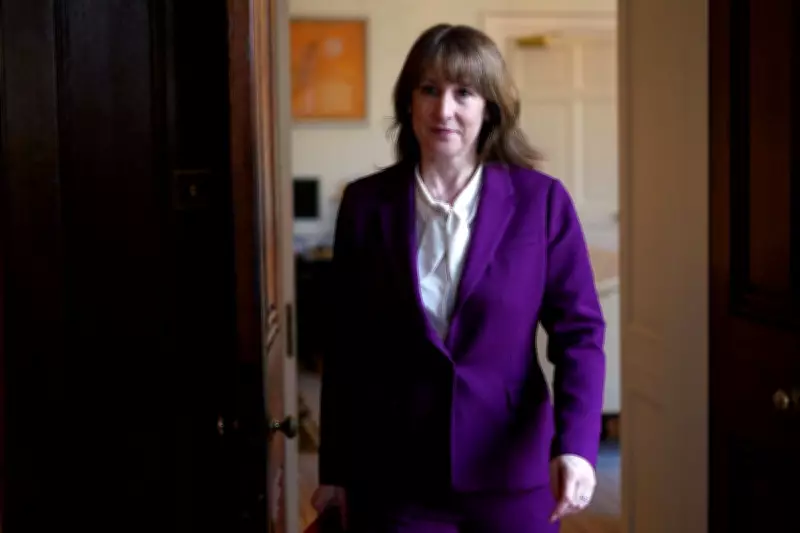
Chancellor Rachel Reeves and Energy Secretary Ed Miliband have summoned petrol retailers to Downing Street, issuing a stern warning against "unfair practices" in the industry. The high-level meeting comes in response to escalating concerns over the impact of the Middle East crisis on household finances, with fuel prices soaring to their highest levels in 18 months.
Government Demands Fair Treatment for Motorists
During the tense discussions at 11 Downing Street, Chancellor Reeves emphasized the "shared obligation" between government and industry to keep prices manageable for motorists. She thanked executives for their cooperation but insisted on an "open and frank conversation" about the alarming price increases.
Energy Secretary Ed Miliband delivered a more direct message, stating unequivocally that the government "will not tolerate unfair practices either here or anywhere else in the industry." He stressed that ensuring fair treatment for consumers during this crisis represents a fundamental government responsibility.

Industry Concerns Over Government Language
The meeting nearly collapsed before it began when the Petrol Retailers Association threatened to boycott the discussions. PRA executive director Gordon Balmer expressed serious concerns that recent government rhetoric about "price gouging" and "ripping off" motorists had led to increased abuse against forecourt workers from frustrated members of the public.
Following Treasury assurances that the meeting would be conducted largely in private, the PRA agreed to participate, hoping this format would "allow a conversation to explain how the fuel market works." After the talks concluded, Balmer described them as "constructive" but noted there had been no apology for what he termed the government's "inflammatory language."
Fuel Prices Reach Critical Levels
The urgency of the situation is underscored by dramatic price increases reported by motoring organizations. According to the RAC, the average price for a litre of unleaded petrol has surged by 8p since the Middle East conflict began, reaching 140.60p - the highest level in 18 months. Diesel prices have experienced an even more dramatic 12% increase, climbing nearly 17p to 159.2p per litre.
Simon Williams, head of policy at the RAC, highlighted the severe impact on households: "Filling a family car is now £4 and £9 more than it was less than two weeks ago. Households, especially those that depend on the car, are under increasing financial pressure as a result of the conflict in the Gulf."
Government Actions and Industry Response
The Treasury released an official summary indicating that attendees "agreed to continue working in the shared interest of motorists on this really important issue." Notably, fuel companies committed to strengthening the Fuel Finder scheme, which enables consumers to locate the cheapest petrol or diesel prices in their vicinity.
Chancellor Reeves has previously requested that the Competition and Markets Authority intensify scrutiny of fuel pricing to prevent profiteering during the current oil price surge resulting from the Iran conflict. The government has pledged to intervene if companies engage in unfair practices, particularly concerning home heating oil, which falls outside Ofgem's energy price cap regulations.
Political Pressure and Industry Warnings
The meeting occurred against a backdrop of mounting political pressure. Conservative leader Kemi Badenoch launched a scathing attack on Chancellor Reeves, claiming that energy companies had used "unprintable" language when discussing the Chancellor. Badenoch accused Reeves of engaging in "price gouging" through planned fuel duty increases and called for renewed North Sea drilling.
The AA issued a stark warning that motorists face "inevitable rising costs" due to global price hikes and urged the Chancellor to postpone a scheduled fuel duty increase. Reeves faces opposition pressure to abandon her plan to gradually phase out a 5p cut to the levy, beginning with a 1p increase this September.

Prime Minister Sir Keir Starmer has stated that the government will keep the situation "under review" in light of the Middle East conflict. Meanwhile, the Competition and Markets Authority has placed fuel retailers "on notice" regarding intensified monitoring of petrol and diesel prices during this period of uncertainty.