Miliband to Double Down on Net Zero Amid Middle East Energy Shock
Energy Secretary Ed Miliband is set to reinforce Labour's commitment to achieving net zero emissions this week, as fossil fuel prices surge due to the ongoing conflict in the Middle East. In a speech scheduled for Tuesday, Miliband will declare that "the era of fossil fuel security is over, and the era of clean energy security must come of age." This comes in response to an anticipated energy crisis triggered by Donald Trump's war with Iran, which has disrupted global oil markets.
New Policy Measures to Combat Energy Instability
Miliband will unveil a package of initiatives designed to bolster the UK's energy independence and reduce consumer bills. Key proposals include:
- Accelerating the warm homes plan to promote rapid adoption of solar panels and electric vehicles.
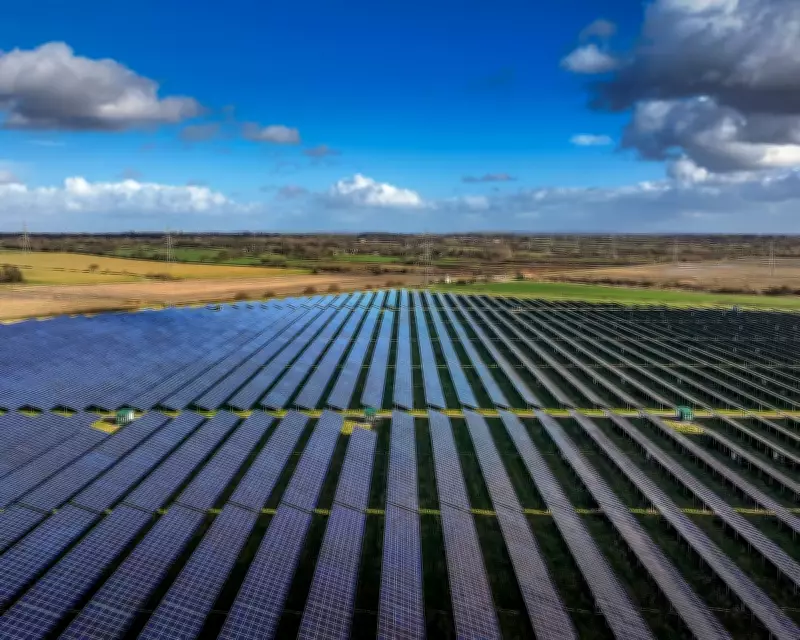
- Expanding solar energy installations on public land to increase renewable capacity.
- Delinking gas and electricity prices, aiming to lower costs for households by separating them from volatile fossil fuel markets.
These measures are framed as a direct counter to pressures from political opponents, including the Conservatives and Reform, who have advocated for increased oil and gas drilling in the North Sea. Miliband is expected to criticize such approaches as "retreating to the comfort of false solutions," emphasizing that doubling down on fossil fuels cannot resolve a crisis rooted in their instability.

North Sea Drilling and Government Stance
While acknowledging the North Sea as an important resource for decades to come, Miliband will avoid immediate decisions on controversial drilling licenses for fields like Jackdaw and Rosebank, which were initiated under the previous Conservative government. He argues that "drilling every last drop" will not reduce bills or enhance energy security. Instead, the government is exploring "tie-back" arrangements to extract more resources near existing fields, as mentioned by Rachel Reeves in Washington last week.
Government sources confirm that the licensing process remains ongoing, with ministers weighing options to balance short-term needs with long-term sustainability goals.
Clean Energy as a Secure Alternative
Speaking at a conference organized by the Good Growth Foundation, Miliband will highlight the resilience of clean energy sources. He asserts that "it would be completely irresponsible to carry on with business as usual" given the energy shock, pointing to renewables as a viable alternative. Clean energy from wind, sun, and nuclear resources cannot be disrupted by foreign wars and offers stable prices domestically, he will argue.
Evidence of growing consumer demand supports this shift: since the onset of the Iran conflict, Octopus reported a 50% rise in solar panel sales and a 50% increase in heat pump sales, while March saw record electric vehicle sales in the UK. Miliband notes that, contrary to misinformation, running an EV or heat pump is already cheaper than traditional alternatives with appropriate tariffs.
Challenges in Delinking Prices and Future Steps
The mechanism for delinking electricity prices from gas generation costs remains unclear, but options may include renegotiating contracts for legacy green energy projects to secure better value. Currently, wholesale electricity prices in the UK and many European countries are set by the most expensive generation source, often gas-fired power stations.
In the short term, the chancellor is considering raising the electricity generator levy—a windfall tax on low-carbon producers—to fund consumer relief. Domestic energy bills, fixed by Ofgem's price cap until July, are projected to rise by about 12% to £1,836 annually for typical households, though summer usage tends to be lower.
The Treasury has already provided support for consumers reliant on heating oil and backdated a scheme to aid energy-intensive manufacturers, underscoring the broader economic impacts of the crisis.