Energy Secretary Ed Miliband Unveils Clean Power Push Amid Middle East Crisis
Energy Secretary Ed Miliband has declared that Britons should be able to purchase plug-in solar panels from major retailers such as Lidl and Amazon "within months", as the ongoing conflict involving Iran threatens to trigger a significant spike in energy bills across the United Kingdom. This announcement comes amid a series of measures being unveiled today, with Mr Miliband doubling down on his commitment to transition the UK away from fossil fuels.
Iran's Blockade Sparks Global Energy Price Surge
The backdrop to this initiative is the escalating crisis in the Middle East, where Iran has effectively shut down the Strait of Hormuz, a critical shipping route for oil and gas, as part of its retaliatory actions against US and Israeli strikes. This blockade has already caused a huge rise in global energy prices and plunged financial markets into turmoil, highlighting the vulnerabilities of relying on volatile fossil fuel markets.
Mr Miliband emphasized that the economic repercussions of this conflict underscore the urgency of his Net Zero drive, stating it is "essential" for the nation's energy security. He added, "I am determined to fight people's corner in this crisis."
Plug-In Solar Panels: A Quick and Affordable Solution
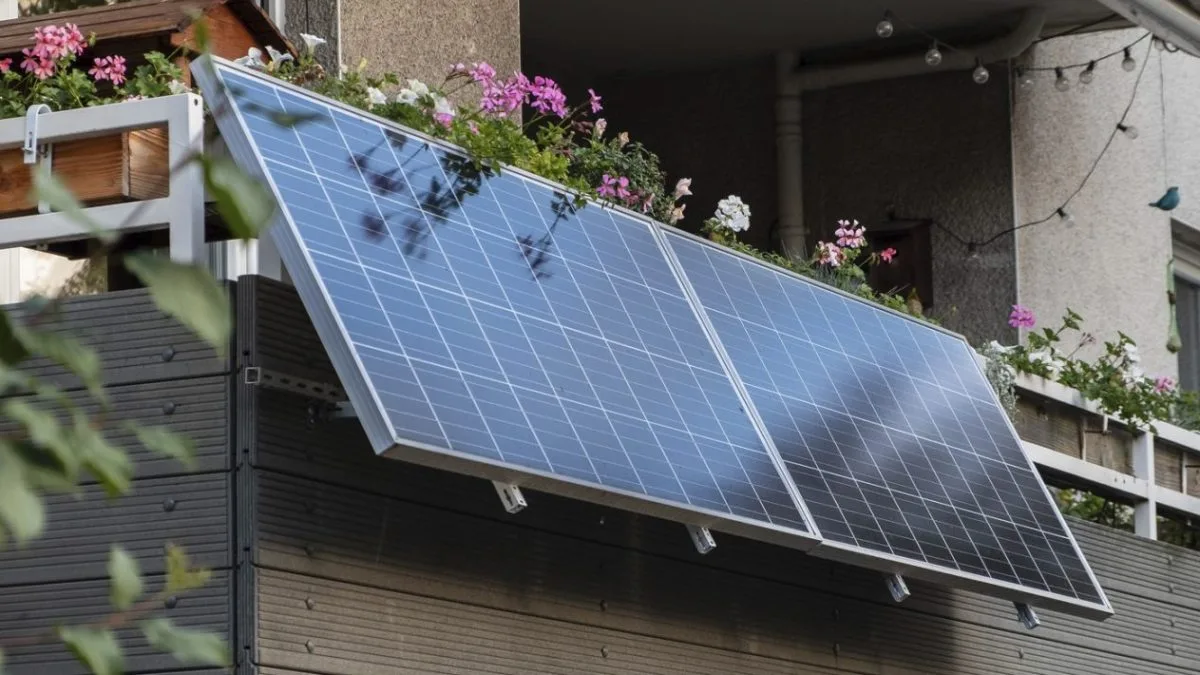
In the "clean power" plans announced on Tuesday, the Labour Cabinet minister detailed his push for the rapid rollout of plug-in solar panels, which are priced at approximately £400 each. These panels, designed to be easily installed on balconies or patios without professional help, will soon be available in shops, offering households a direct way to save money on their bills by generating free solar power through a standard mains socket.
The Government has confirmed it is collaborating with retailers like Lidl and Amazon, as well as manufacturers such as EcoFlow, to bring these devices to the UK market. Already popular in Europe, with half a million new units plugged in annually in Germany, these panels reduce grid electricity consumption, lowering household costs and decreasing the UK's dependence on fossil fuels, according to the Department for Energy Security and Net Zero (DESNZ).
New Homes to Feature Clean Heating and Solar Standards
Alongside the plug-in solar initiative, new regulations will require newly-built homes to have heat pumps installed or be connected to heating networks, rather than relying on traditional gas boilers. Additionally, the majority of new homes must incorporate onsite renewable electricity generation, likely through solar panels, as part of the implementation of the "future homes standard."
Officials estimate that these measures could save up to £830 per year on energy bills for each property, compared to a standard home with an Energy Performance Certificate (EPC) rating of C, and reduce carbon emissions by at least 75 per cent compared to homes built to 2013 standards. This move marks a significant shift, coming a decade after previous Net Zero carbon standards for new builds were scrapped.
Discounted Bills on Windy Days and Political Reactions
The Government also revealed plans to introduce legislation allowing energy companies to offer discounted energy bills to customers on windy days. This initiative aims to address historic underinvestment in the grid, which currently forces wind farms to be paid to switch off during high-wind periods when the network cannot handle all generated power. The discounted bills would incentivize energy use when it is cheapest, benefiting regions like Scotland and the East of England.
In response to the future homes standard, senior Tory MP Claire Coutinho, the shadow energy secretary, criticized Labour's approach, stating, "Labour's answer to the cost of living is to make electricity unbearably expensive, then force all new homes to be built with electric heating – locking families who have no choice into sky-high energy bills for decades." She argued for making electricity cheap and allowing consumer choice rather than imposing specific technologies.
Mr Miliband concluded, "The Iran War has once again shown our drive for clean power is essential for our energy security so we can escape the grip of fossil fuel markets we don't control. Whether through solar panels fitted as standard on new homes or making it possible for people to purchase plug-in solar in shops, we are determined to roll out clean power so we can give our country energy sovereignty."