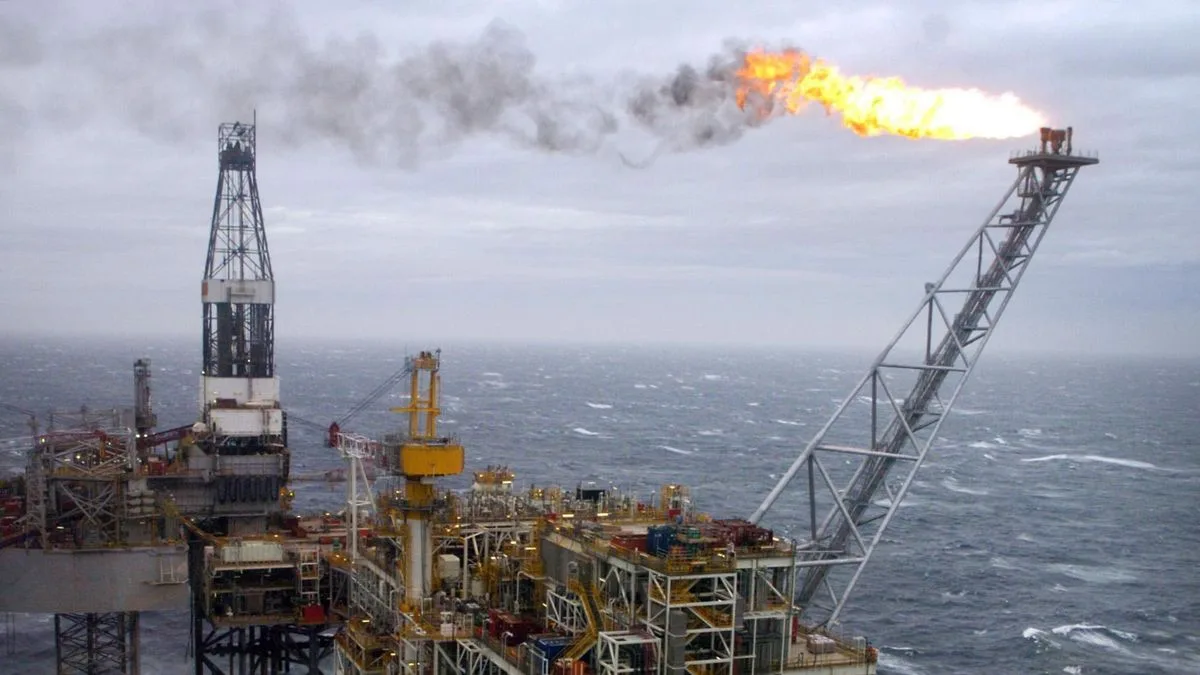
The ongoing Middle East conflict has led to a surge in wholesale oil and gas prices, resulting in a significant profit bonanza for North Sea energy producers and a substantial tax windfall for the UK Treasury. According to analysis by the End Fuel Poverty Coalition, the government could collect an additional £427 million per month—or £5.1 billion annually—through windfall taxes, including the Energy Profits Levy and higher corporation tax rates on North Sea producers.
The conflict has driven up pump prices for motorists and threatens to increase household energy bills. Cornwall Insight forecasts that Ofgem's price cap could rise to nearly £2,000 a year by summer due to the spike in wholesale gas costs. While families face financial strain, energy companies are expected to see soaring profits, with speculation that BP's annual profits could jump by £7.5 billion.
Richard Walker, executive chairman of Iceland and Labour's new cost of living tsar, has called for a temporary profit cap on energy companies and petrol retailers to prevent profiteering. He stated, 'I have no problem with profit... But I do have a big problem with profiteering, especially when families are under real pressure.'
Domestic energy suppliers are unlikely to benefit similarly, as they must purchase gas and electricity to meet demand and are constrained by Ofgem's price cap. The Energy Profits Levy, introduced after Russia's invasion of Ukraine, is under review, with Chancellor Rachel Reeves reportedly considering replacing it with a lower duty.
Simon Francis, coordinator of the End Fuel Poverty Coalition, urged ministers to support the hardest-hit households, saying, 'Whenever oil and gas prices spike, energy industry profits rise while households are left to face higher bills... It is only fair that these windfall profits help households who will suffer.' The coalition claims energy firms have made over £125 billion in UK profits since 2020.