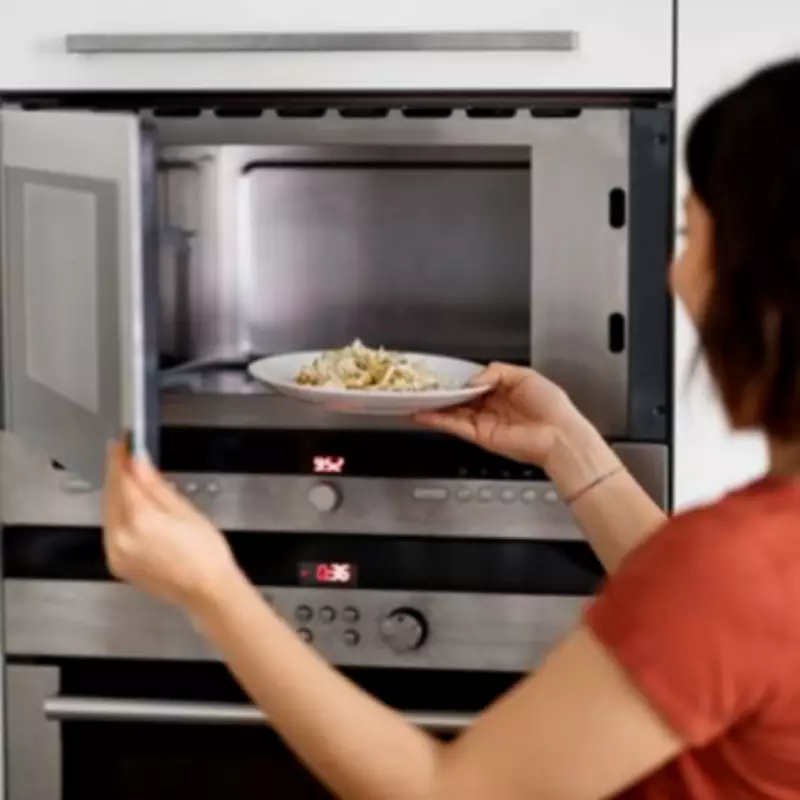
Microwave Cooking Saves Hundreds on Energy Bills, Experts Reveal
Food experts have unveiled the most economical method for preparing meals, and it surprisingly isn't the popular air fryer. According to recent analysis, microwaves stand out as the cheapest way to cook food, offering households potential savings of hundreds of pounds on annual energy bills.
Microwaves Outperform Traditional Ovens in Efficiency
Contrary to common belief that microwaves are only suitable for reheating leftovers, Tesco Real Food experts emphasize that these appliances can cook virtually anything. They highlight that microwaves operate at a significantly lower cost compared to conventional ovens, making them a highly energy-efficient choice for daily meal preparation.
The experts explained: "Microwaves cook food really quickly, meaning they use less energy and are subsequently more energy efficient than ovens." Apart from slow cookers, which require extended cooking durations, microwaves are identified as the "cheapest" cooking method available to consumers.

Detailed Cost Analysis and Nutritional Benefits
A large microwave typically consumes approximately 1kW per hour, translating to running costs of around 34p. Since microwaves are used in short bursts rather than continuous operation, they prove exceptionally economical for households looking to reduce energy expenditure.
Moreover, microwave cooking does not compromise nutritional value when used correctly. The experts noted: "This can happen with any cooking method. Microwaving food can actually preserve more nutrients than other cooking methods, as it heats food so quickly." Overcooking should be avoided to maintain food quality, but this applies universally across all cooking techniques.
Versatile Cooking Applications and Practical Tips
Microwaves offer remarkable versatility, capable of preparing a wide array of dishes typically associated with stovetop cooking. This includes poached or scrambled eggs, steamed vegetables, and even single-serve cakes. For steaming vegetables, experts recommend chopping them into uniformly sized pieces, placing them in a microwave-safe dish with two tablespoons of water, covering the container, and cooking until tender.
Vegetables like broccoli, peas, and carrots are particularly well-suited to microwave steaming due to their texture and cooking properties. However, certain foods should be avoided in microwaves, such as garlic, reheated tea or coffee, and eggs boiled in their shells. The experts warned: "As an egg cooks, there's nowhere for the steam to escape, so you'll end up with an exploded egg and a messy microwave."
Broader Implications for Household Energy Management
This revelation comes at a time when energy costs remain a significant concern for many households. By adopting microwave cooking as a primary method, families can achieve substantial savings without sacrificing meal variety or nutritional integrity. The quick cooking times and low energy consumption make microwaves an ideal solution for efficient kitchen management.
As energy efficiency continues to be a priority, understanding the most cost-effective cooking methods becomes increasingly important. Microwaves, often underestimated, emerge as a powerful tool for reducing household expenses while maintaining culinary flexibility and health benefits.