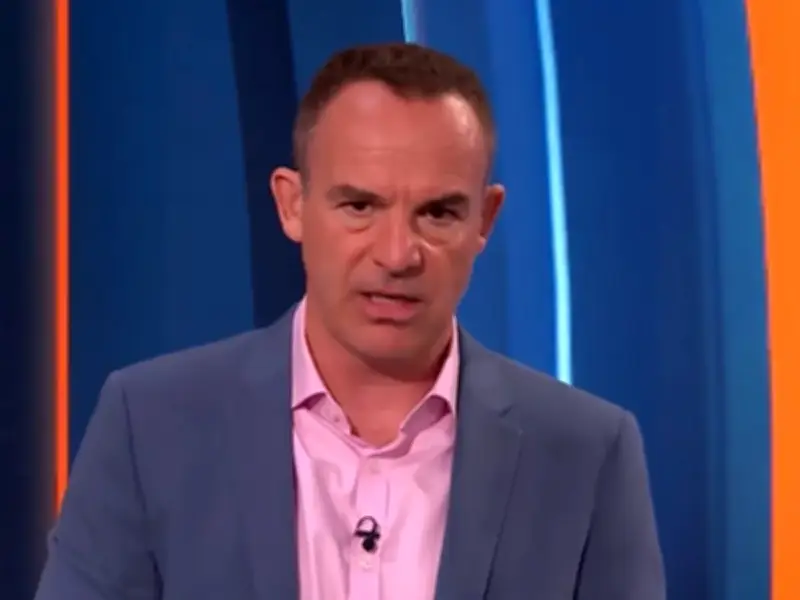
Martin Lewis has warned that UK energy bills will get worse before they get better, ahead of an anticipated sharp increase to the Ofgem energy price cap in January. Experts at Cornwall Insight have predicted a 16 per cent jump, which would be one of the largest rises in recent years.
January price cap rise expected
Cornwall Insight forecasts the price cap will rise by 16 per cent compared to October, reaching £1,999 a year for a typical dual-fuel household in January 2027, an increase of £276 and the largest rise since January 2023. The current price cap stands at £1,723 a year.
The increase is largely driven by the escalating conflict in the Middle East, which continues to disrupt gas supplies to the UK and the rest of the world. EU gas storage stocks are at their lowest September levels in 15 years, according to Cornwall Insight.
Government changes to standing charges
Prime Minister Andy Burnham has removed VAT from domestic energy bills, thought to be worth roughly £45 to £50 on the average bill, and confirmed a £100 winter energy payment for approximately 20 million households in England in Council Tax bands A to D. Equivalent funding will be provided to Scotland, Wales, and Northern Ireland.
The Government has also announced plans to end the gas standing charge, with fixed network costs moved into the per-unit usage rate. Chancellor of the Exchequer John Healey said this would happen in 2027, or as soon as possible after. Mr Lewis said it "definitely won't be before the 1st of October (2027)".
Impact on households
The standing charge is currently £108 a year on direct debit and prepay. Mr Lewis estimated that scrapping it would add about 0.8 to 0.9p per kilowatt-hour to the unit rate, based on the current gas unit rate of about 8p per kilowatt-hour.
He said: "Lower users will pay less, higher users will pay more. And actually, because there are quite a lot of very high users and it's done on the mean average, it actually works out 60 per cent of people will pay less, 40 per cent of people will pay more."
A statement on the Government website said: "Tens of millions of households will no longer pay standing charges on their gas bills as the Government gives families more control over what they pay and some more breathing space." It added that these fixed costs will be paid on the unit rate, which could save 60% of account-holding households around an average of £45 off their annual bill.