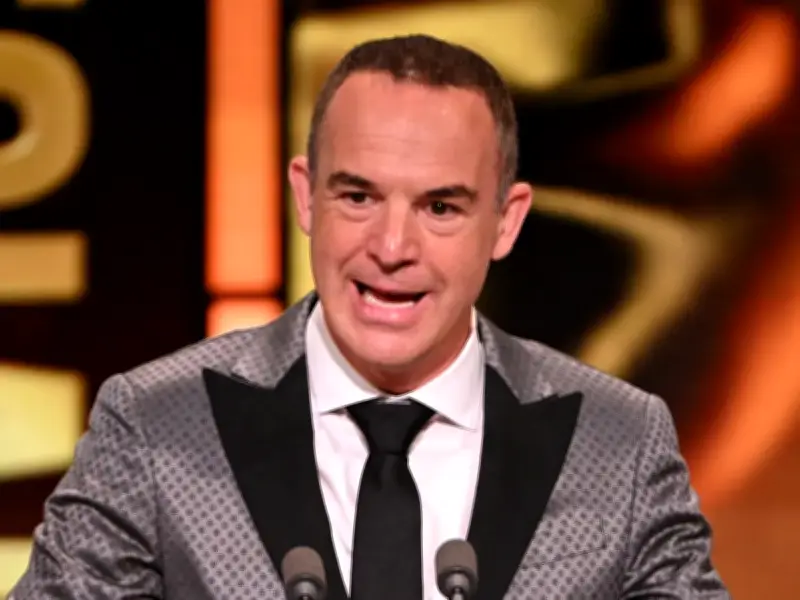
Martin Lewis has warned that 40 per cent of UK households will end up paying more after the gas standing charge is scrapped, as the fixed £108 annual cost is moved onto per-unit rates.
The money-saving expert's comments come as a substantial rise to the Ofgem energy price cap is widely expected in January. Analysts at Cornwall Insight have forecast a 16 per cent increase, which would take the cap to £1,999 a year for a typical dual-fuel household, an increase of £276 and the largest rise since January 2023.
Government plans to scrap standing charge
The Government has unveiled proposals to abolish the gas standing charge, with fixed network costs instead incorporated into the per-unit usage rate. A statement on the Government website said the Chancellor will ask Ofgem to deliver removal of these charges in 2027 or as soon as possible after.
Chancellor of the Exchequer John Healey indicated it would happen in 2027, or at the earliest opportunity thereafter. Mr Lewis stated it 'definitely won't be before the 1st of October (2027)'.
What Lewis said
Mr Lewis said: "The gas standing charge, on the price cap anyway, is to be scrapped in 2027. What does 2027 mean? Well, as it's part of the price cap, it definitely won't be before the 1st of October. My sneaking suspicion is they'll end up doing it on the 1st of January 2028, so the last day of standing charges will be in 2027. It's not going to happen quickly."
He added: "It's currently £108 a year on direct debit and prepay. The cost is going to be moved to the unit rate, so this isn't about saving money in totality. This is about a structural change... Lower users will pay less, higher users will pay more. And actually, because there are quite a lot a low number of very high users and it's done on the mean average, it actually works out 60 per cent of people will pay less, 40 per cent of people will pay more."
Impact on bills
Mr Lewis estimated that the £108 a year disappearing will add about 0.8 to 0.9p per kilowatt-hour on top of the current gas unit rate of about 8p per kilowatt-hour, though he stressed this was a very rough back-of-the-envelope guess.
The Government statement said the change could save 60 per cent of account-holding households around an average of £45 off their annual bill. The current price cap stands at £1,723 a year, an increase of 3.6 per cent on the previous three months.
Cornwall Insight stated the January rise is largely driven by the escalating conflict in the Middle East, which continues to disrupt gas supplies, with EU gas storage stocks at their lowest September levels in 15 years. The observation window for the January cap is now nearly halfway through, making a January increase all but certain.