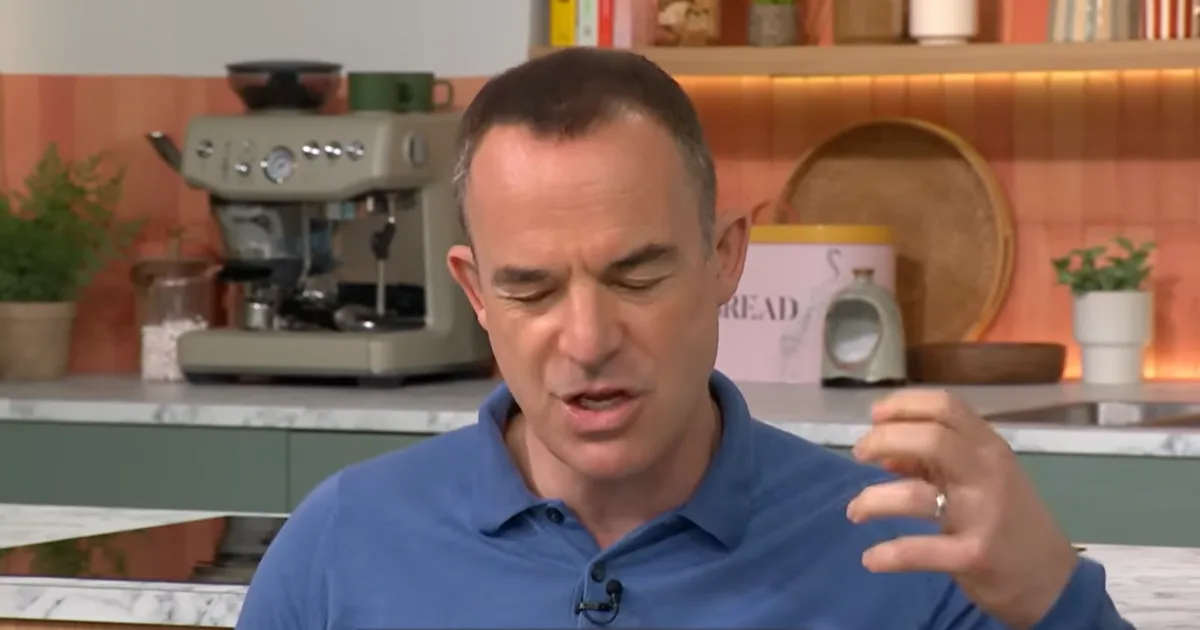
Martin Lewis Warns 'Demon Appliance' Tumble Dryers Spike Energy Bills
Martin Lewis: Tumble Dryers Are 'Demon Appliances'

Finance guru Martin Lewis has issued a stark warning to households, labelling one common domestic appliance as a 'demon' that dramatically inflates energy costs. The consumer champion emphasised that this device should be avoided wherever possible to prevent unnecessary financial strain.

The Primary Energy Guzzler Revealed

During a recent episode of his widely followed BBC Radio 5 podcast, Martin Lewis addressed the pressing issue of soaring energy bills. He pinpointed a specific appliance that consumes excessive electricity, making it prohibitively expensive for regular use.

Lewis stated clearly: "Do you know what the real 'demon appliance' is in most people's houses - the one that you don't want to use because it's really expensive? Tumble dryers. You're typically paying up to a pound per load."

Wide Pickt banner — collaborative shopping lists app for Telegram, phone mockup with grocery list

Practical Alternatives to Reduce Costs

To mitigate these high expenses, Lewis recommended several practical alternatives. He advised listeners to dry clothes on an airer outside whenever weather permits. This simple switch can significantly reduce reliance on the tumble dryer.

For those needing indoor drying solutions, he suggested using a dehumidifier. "Those who have dehumidifiers can take some of the moisture out of the air," Lewis explained. "It's less wattage than a tumble dryer, so it can be more cost-effective."

Listener Query on Dampness and Dehumidifiers

The discussion prompted a live listener named Rob to share his experience. He noted that his flat had become damp since he began drying washing indoors and inquired about cost comparisons.

Rob asked: "If I were to buy a dehumidifier, would it be cheaper than using the heating to keep the place dry?"

Martin Lewis responded authoritatively: "Dehumidifiers take water out of the air rather than use the heating and they're much lower wattage appliances than standard heating. So if the dehumidifier works for you, it will definitely have lower electricity bills."

Additional Energy-Saving Measures for Homes

Beyond addressing laundry drying, Lewis provided further advice to enhance household energy efficiency. He highlighted a common problem where radiators heat spaces inefficiently, with warmth escaping rapidly through external walls.

Speaking on his BBC podcast, Lewis recommended installing reflective panels behind radiators on external walls. "Sheets of reflective material can be placed behind radiators," he said. "Crucially, this is on external wall radiators, so the heat doesn't escape."

For a budget-friendly option, he mentioned that tin foil can serve as a substitute, though it is less effective than specialised panels.

Proactive Heating Management Strategies

Lewis also urged households to adopt smarter heating practices. He advised turning off radiators in unused rooms before activating the central heating system to avoid wasting money on overheating empty spaces.

Furthermore, he revealed a technical adjustment that could lead to substantial savings. "Changing the flow rate on your boiler can cut gas bills by over nine percent," Lewis noted, adding that most users would not notice any difference in comfort levels.

These combined strategies form a comprehensive approach to reducing energy consumption and lowering bills, with avoiding the 'demon appliance' of tumble dryers being a critical first step.

Pickt after-article banner — collaborative shopping lists app with family illustration