

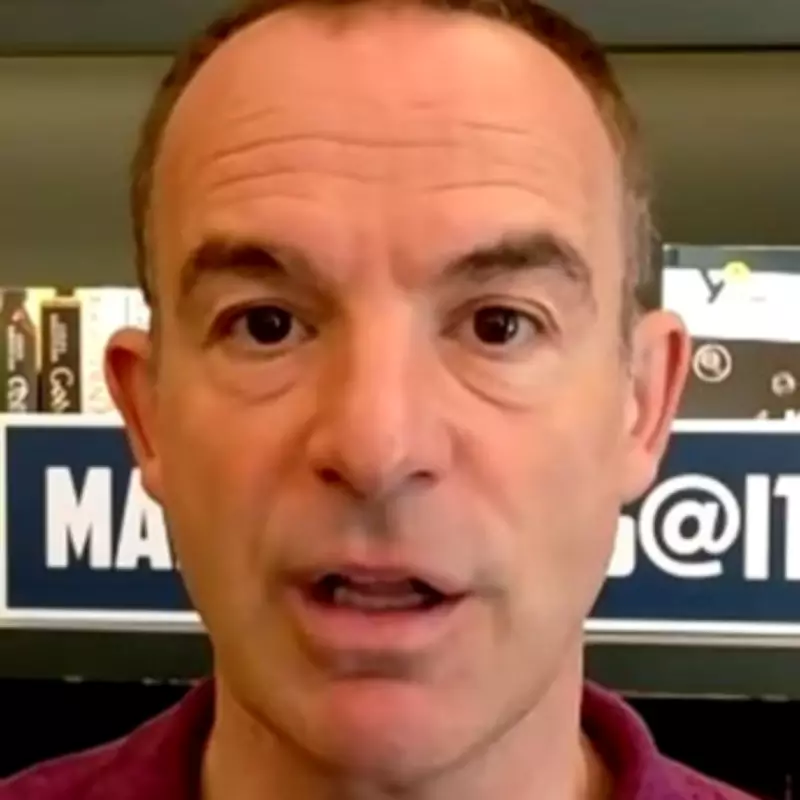
Money Saving Expert Martin Lewis has issued crucial guidance on one of the most debated household energy questions: whether it is economical to leave the heating on low all day. His verdict, updated recently on the MSE website, provides a definitive answer that challenges common assumptions.
The Core Principle: Heat the Person, Not the Home
Martin Lewis emphasizes a fundamental motto: 'heat the person not the home.' This principle underpins his advice to turn off radiators in rooms that are not in use. By doing so, households can avoid wasting money on overheating empty spaces, which is a significant drain on energy resources.
Why Leaving Heating On Low Is Inefficient
Contrary to some beliefs, keeping the heating running continuously throughout the day is not a cost-effective strategy. According to the Energy Saving Trust, this practice uses more fuel, increases heat loss, and ultimately drives up expenses. Martin Lewis supports this view, advising that intermittent heating, tailored to actual occupancy, is more efficient.

He explains, "If you've got radiators in rooms that you're not using, go and turn them off before you turn the heating on so you're not wasting cash overheating empty spaces." This simple action can lead to noticeable savings on energy bills.
Practical Tips for Reducing Energy Usage
Beyond radiator management, Martin Lewis offers several other practical tips to cut down on energy consumption:
- Adjust Boiler Flow Rate: Changing the flow rate on your boiler can reduce gas bills by over 9%, with minimal impact on comfort.
- Use Reflective Panels: Fitting reflective panels behind radiators on external walls can bounce warmth back into rooms, preventing heat from escaping. Tin foil can serve as a cheaper alternative, though less effective.
- Avoid Tumble Dryers: Identified as a 'demon appliance,' tumble dryers cost up to £1 per cycle. Lewis recommends drying clothes on an airer outside or using a dehumidifier to reduce moisture, which is more cost-effective.
Health and Safety Considerations
While advocating for energy savings, Martin Lewis and MSE caution against potential risks. Switching off heating entirely may be dangerous for older individuals or those with health conditions like asthma. Age UK stresses the importance of staying warm, and MSE advises consulting a GP if in doubt.
Additionally, cold homes can affect mental health and motivation. Renters should check their contracts, as some landlords require regular heating use or maintaining a minimum temperature.
Context and Motivation Behind the Advice
Martin Lewis notes that this guidance stems from an "overflowing email bag of desperation" from people struggling with energy bills. He clarifies, "It's more that we're trying to help provide some options and information for those that may need to drastically cut down on energy usage due to financial desperation and some help for others who may want to do it out of a commitment to green issues."
This approach highlights the dual benefits of cost savings and environmental responsibility, making the advice relevant for a wide audience.
Alternative Appliances for Efficiency
In discussing energy guzzlers, Martin Lewis points to dehumidifiers as a lower-wattage alternative to heating for reducing moisture. He states, "Dehumidifiers take water out of the air rather than use the heating and they're much lower wattage appliances than standard heating. So if the dehumidifier works for you, it will definitely have lower electricity bills."
This tip is part of a broader strategy to identify and mitigate high-energy appliances in the home, promoting smarter, more sustainable living.






