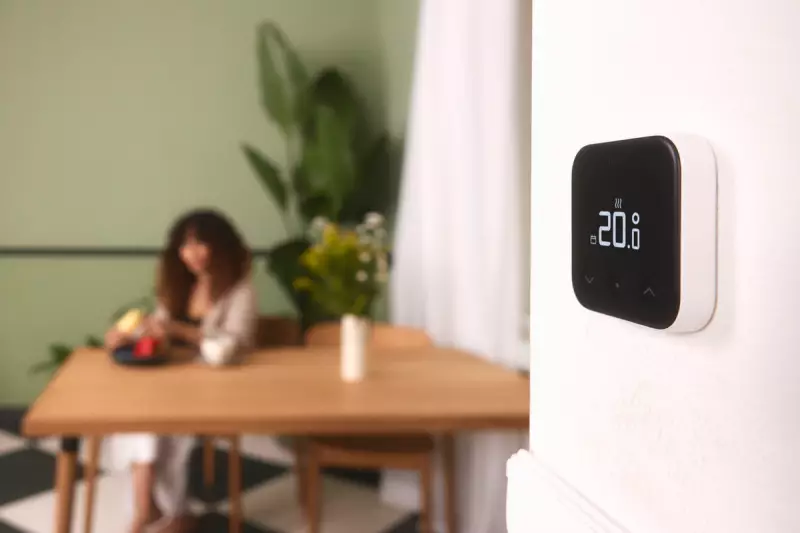
Transforming your living room into an energy-efficient haven can lead to substantial savings on your household bills, according to energy experts. As the central hub for relaxation and socialising, the lounge often consumes a disproportionate amount of power due to heating, lighting, and entertainment systems. Implementing strategic upgrades and adopting smarter habits can curb this energy appetite effectively.
How Smart Home Technology Enhances Energy Efficiency
Modern smart devices provide unprecedented control over household energy consumption, enabling homeowners to identify and eliminate waste with minimal effort. These innovations are designed for easy installation and affordability, making energy management accessible to all.
Intelligent Heating Solutions
Smart thermostats represent a significant advancement in home climate control. Compatible with most existing heating systems, these devices typically cost between £120 and £280. The Octopus Energy-approved tado° smart thermostat exemplifies this technology, offering remote app control and intelligent scheduling that adapts to your daily patterns.

This system can detect when you're away from home, automatically adjusting temperatures to conserve energy. It even alerts users when windows are open, preventing heat loss. When paired with smart radiator valves (£40-£80 each), homeowners can regulate heating room by room, ensuring warmth only where needed.
For those seeking maximum efficiency, Octopus Cosy Heat Pumps offer an innovative alternative to traditional boilers. By extracting warmth from outdoor air rather than generating heat, these systems dramatically reduce both energy consumption and carbon emissions, particularly when integrated with smart controls.
Advanced Lighting Systems
Transitioning to LED lighting represents one of the simplest energy-saving measures, using up to 90% less electricity than conventional bulbs. Smart LED systems elevate this further by automatically adjusting brightness according to natural light levels and incorporating motion sensors to prevent unnecessary usage.
These intelligent lighting solutions typically feature dedicated apps or compatibility with voice assistants like Google Home, Alexa, or Apple HomeKit. This integration allows users to create lighting zones within open-plan spaces, illuminating only occupied areas rather than entire rooms.
When combined with Octopus Energy's smart tariffs, smart lighting enables households to shift consumption away from peak periods, generating additional savings through strategic scheduling of non-essential lighting.
Practical Strategies for Energy Conservation
Combating Vampire Energy Drain
Many living room electronics continue drawing power in standby mode, a phenomenon known as 'vampire energy' that can cost households up to £45 annually according to Energy Saving Trust estimates. Smart plugs provide an effective solution, automatically cutting power to devices when not in use for as little as £10 per unit.
Implementing Automated Routines
Smart routines enable multiple household systems to operate in synchronised harmony. By programming devices through voice assistants, homeowners can create scenarios like 'leaving home' modes that power down heating, lighting, and entertainment systems simultaneously, or 'evening' settings that optimise comfort while minimising waste.
Monitoring Consumption Patterns
Understanding energy usage represents the foundation of effective conservation. Tools like the Octopus Energy app provide detailed breakdowns of consumption patterns, while the Octopus Home Mini delivers real-time data that helps identify energy-intensive devices. This visibility enables informed decisions about usage behaviour and timing.
Energy specialist Lucy Dunn emphasises that achieving meaningful savings doesn't require expensive overhauls. "A combination of smart technology and conscious habits can dramatically reduce energy waste while maintaining household comfort," she notes. "The living room presents particularly significant opportunities for improvement given its central role in daily life."