

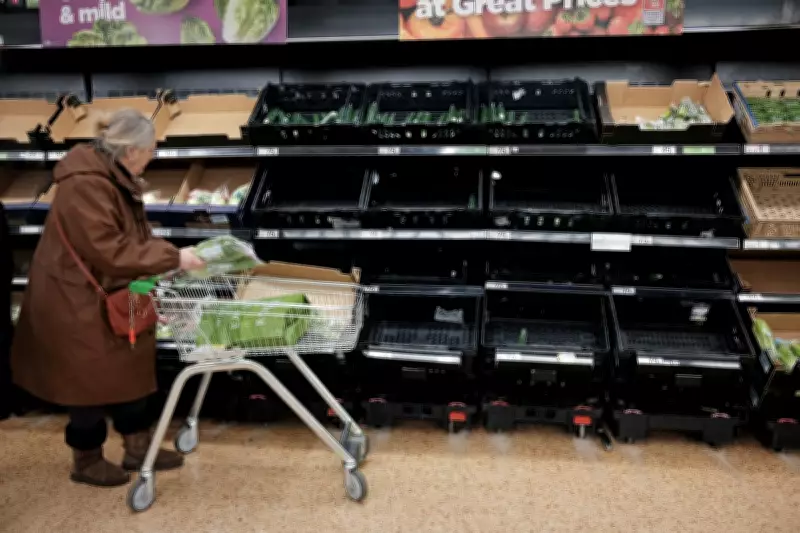
A leaked government document, codenamed 'Exercise Turnstone', has unveiled detailed contingency plans for a "reasonable worst-case scenario" where the Iran war could trigger severe shortages of key supermarket goods across the United Kingdom. The analysis, conducted by Cobra, indicates that the closure of the Strait of Hormuz might reduce carbon dioxide (CO2) supplies to a mere 18 per cent of current levels, posing significant risks to various sectors.
Impact on Farming and Hospitality
Such a drastic reduction in CO2 availability would profoundly affect farming and hospitality industries. The shortage could compromise the shelf life of perishable foods, hinder the humane slaughtering of livestock, and disrupt the production of fizzy drinks, potentially even impacting events like the Fifa World Cup. Business Secretary Peter Kyle has moved to reassure the public, stating that ministers are actively developing contingency strategies to mitigate these threats.
Government Measures and Reassurances
Kyle highlighted his prior decision to restart the Ensus bio-ethanol plant as a step to secure CO2 supplies, emphasising the government's proactive approach. Officials have considered additional measures, including compelling factories to ramp up CO2 production and relaxing competition laws to prioritise critical supplies. However, they stress that these scenarios are planning tools rather than predictions, aimed at preparing for potential disruptions without causing undue alarm.

The leaked document underscores the broader economic implications, with the International Monetary Fund warning that Trump's Iran war could trigger a global recession. This adds urgency to the UK's planning efforts, as the government navigates the complex interplay between geopolitical tensions and domestic supply chain vulnerabilities. The full extent of 'Exercise Turnstone' reveals a concerted effort to safeguard national interests amid escalating international conflicts.






