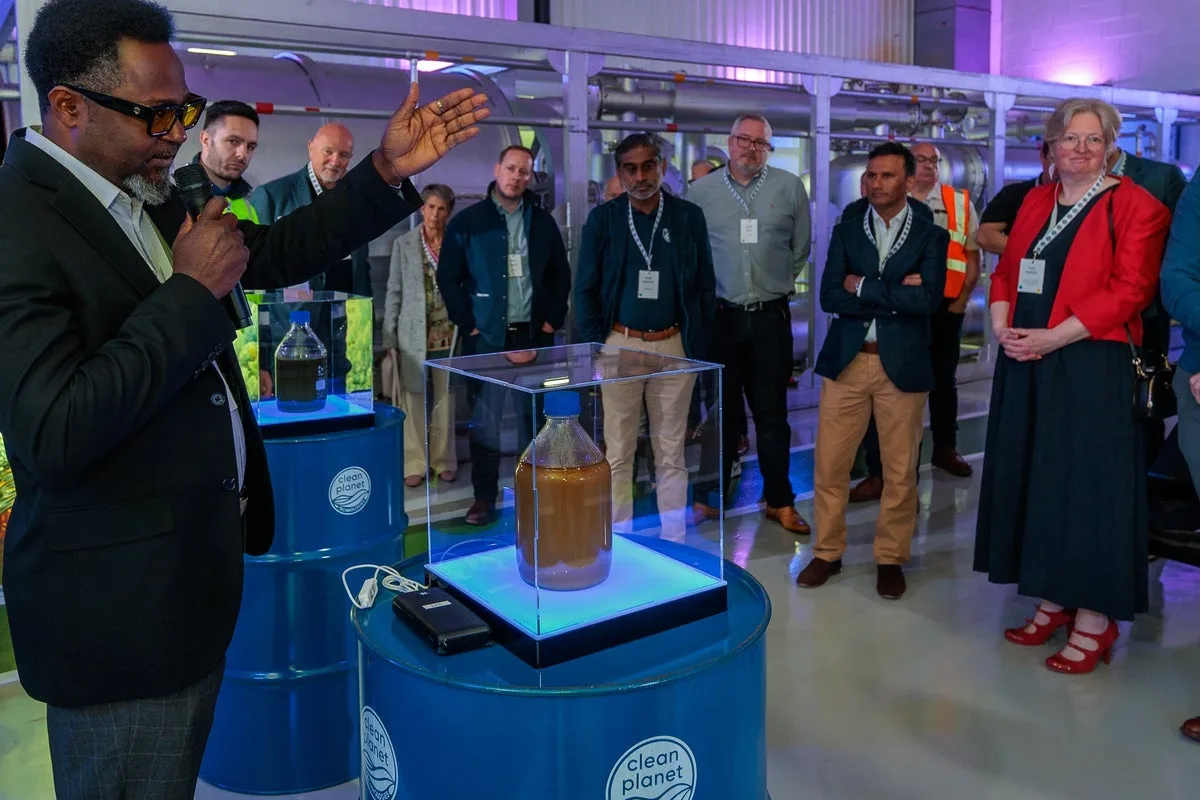
Kent Facility Turns Plastic Into Jet Fuel to Tackle Oil Crisis
Kent Plastic-to-Jet Fuel Plant Could Solve UK Oil Crisis

A pioneering facility in Kent that transforms non-recyclable plastic into jet fuel could play a key role in addressing the next global oil crisis. Scientists are converting waste plastics into sustainable aviation fuel (SAF) to tackle both plastic pollution and aviation decarbonisation.

Backing from Government and Airlines

Clean Planet Technologies, part of the Clean Planet Group, has secured support from the government and airlines. The company claims it could provide fuel security for the UK during future jet fuel shortages. The closure of the Strait of Hormuz due to the Iran war has caused severe disruption to global oil flows, pushing jet fuel prices to roughly double pre-conflict levels. Some European airlines have cancelled flights, while others warn of disruptions and fare increases.

Bertie Stephens, CEO of Clean Planet Group, stated: “When the strait closes and there is a jet fuel scare, we cannot self-generate that fuel and there is no alternative. We must find a solution to become self-dependent. We have that solution in our country: millions of tons of waste plastic that we are simply landfilling.”

Wide Pickt banner — collaborative shopping lists app for Telegram, phone mockup with grocery list

How the Technology Works

According to Clean Planet Technologies, approximately 80 per cent of the 5 million tonnes of waste plastic produced annually in the UK cannot be recycled and ends up as waste. Globally, commercial aircraft consume an estimated 7 to 8 million barrels of jet fuel daily, with less than 1 per cent coming from sustainable sources. The pilot facility heats plastic waste to trigger a chemical reaction that turns it into a liquid, without burning. This liquid is then treated to remove impurities, producing SAF that meets stringent commercial aviation standards.

Stephens emphasised that events like the Iran war highlight the need for the UK to diversify its fuel sources. If the Strait of Hormuz closes again after production begins, this fuel could be a “big part of the solution” for airlines. “If we could take the 2 million tons of waste plastics currently polluting our nation and convert it into aviation fuel, we would make a significant dent in aviation fuel demand within five to ten years. On one side, we reduce carbon emissions; on the other, we remove polluting waste plastics that would otherwise break down into microplastics in landfills.”

Industry and Government Support

Stephens noted that the project has received cross-party government support and interest from three airlines. “It is a nice moment in the industry with no real pushback.” The government’s SAF mandate currently requires 2 per cent of UK jet fuel demand to come from SAF, rising to 10 per cent in 2030 and 22 per cent in 2040. Clean Planet Technologies has received funding from the Department for Transport and is working with standards organisation ASTM to certify its fuel for use in planes, expected by mid-2027. Commercial airline use could begin by early 2029.

Dr Andrew Odjo, CEO of Clean Planet Technologies, said: “Every day, around 100,000 commercial flights operate globally, while approximately 30,000 tonnes of plastic enter the ocean—equivalent to dumping 2,000 garbage trucks full of plastic into the world’s oceans, rivers, and lakes daily. Our pilot facility will demonstrate that this waste can be turned into a premium product with quantifiable commercial demand, while reducing the lifecycle carbon footprint of the aviation industry.”

Pickt after-article banner — collaborative shopping lists app with family illustration