Keep Your Home Cool Without Air Conditioning During a Heatwave
Keep Your Home Cool Without AC During a Heatwave (25.05.2026)

As heatwaves become more frequent and intense, the demand for air conditioning is expected to rise significantly. However, experts warn that relying heavily on AC could lead to a costly, energy-intensive, and unequal future. Instead, they advocate for a smarter approach: passive cooling first.

The Growing Problem of Overheating

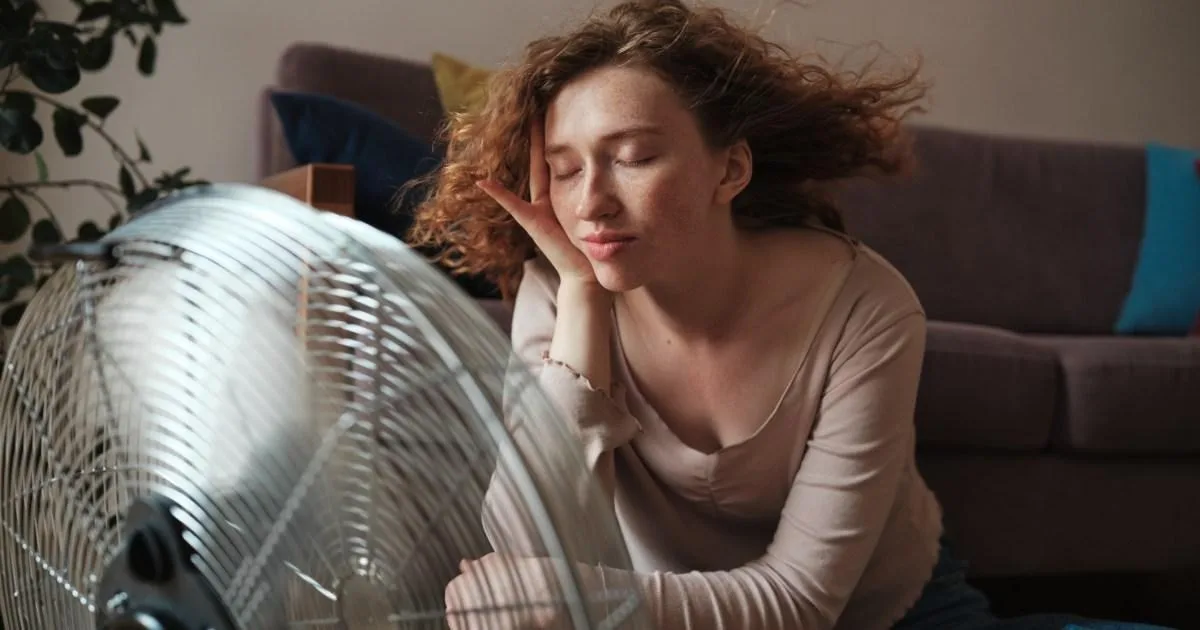
Research from the University of East London surveyed over 1,600 UK households and found that two-thirds used fans in the summer of 2022, while one in five used air conditioning. Most of those AC units were purchased during or after the record-breaking 40°C heatwave that year, illustrating how quickly habits can change. The same survey revealed that 80% of UK homes experienced overheating in summer 2022, four times more than a decade ago. By the end of this century, temperatures in the UK are predicted to exceed 40°C every few years. This has led to a sevenfold increase in air conditioning ownership in the decade prior to 2022.

The Hidden Costs of Air Conditioning

While AC may seem like a natural adaptation, it comes with hidden costs. Cooling requires vast amounts of energy precisely when demand is already at its peak. In 2022 and 2023, the UK had to temporarily restart a coal power plant to ensure electricity supply for air conditioners and other appliances. Moreover, AC deepens social inequalities. Wealthier households can afford the quick fix, but lower socioeconomic groups are left vulnerable, creating a dangerous gap in protection.

Wide Pickt banner — collaborative shopping lists app for Telegram, phone mockup with grocery list

Passive Cooling: A Smarter Solution

Just as winter energy policy emphasises "insulation first," a similar principle applies in summer: "reduce cooling demand first." Hot climate countries like those in southern Europe offer valuable lessons. Passive cooling measures that reduce the need for mechanical cooling include:

  • Shading and shutters to block sunlight before it enters a building
  • Natural ventilation to let heat escape during cooler hours
  • Reflective and light-coloured surfaces to deflect solar radiation
  • Building orientation to minimise heat gain
  • Trees and green infrastructure to cool neighbourhoods

Many of these measures are low-cost, quick to install, and long-lasting. For example, in Rome, window shutters are ubiquitous and dramatically reduce the need for mechanical cooling. Once demand is lowered, remaining needs can be met by efficient AC units or reversible heat pumps.

Adapting Behaviour Matters Too

Building design alone is not enough; behaviour must also adapt. In Spain, the hottest hours are reserved for siestas, with outdoor activities paused and people more active in the mornings and evenings. Culturally, Spaniards understand that keeping curtains closed during the day and opening windows at night prevents homes from overheating. In the UK, however, heat is still culturally framed as "good weather." Sunny weekends trigger beach trips, barbecues, and outdoor activities, even when temperatures become dangerously high. This mismatch between perception and risk is a major public health challenge.

Policy and Communication Gaps

UK energy policy remains designed for winter, not summer. Energy efficiency programmes often overlook the risk of trapping summer heat inside well-insulated homes. The UK needs to embed overheating risk into housing policy and develop a clear plan to decarbonise cooling alongside heating. Public risk communication must also catch up. Early warning systems like red, amber, and yellow alerts are a good start, but they are insufficient in a country where many still see 30°C as perfect picnic weather. Targeted campaigns are needed to shift mindsets and encourage proactive action before heat arrives.

A Cooler Future

The 40°C day in 2022 was a wake-up call. The UK can respond with more AC—and more bills, emissions, and inequality—or it can redesign buildings, streets, and routines to work with the climate, not against it. AC will still have a role during extreme heat, but it should be the last resort, not the first instinct. By reducing cooling demand first and meeting the rest efficiently, Britain can stay cool without overheating the planet.

Mehri Khosravi is an Energy and Carbon Senior Research Fellow at the University of East London. This article is republished from The Conversation under a Creative Commons license.

Pickt after-article banner — collaborative shopping lists app with family illustration