

Jet Fuel Prices Skyrocket Amid Middle East Turmoil
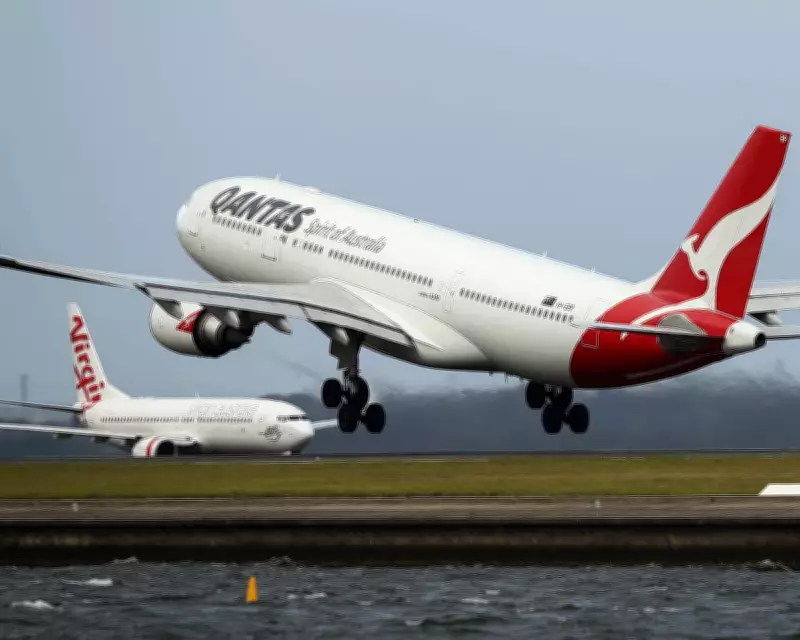
The aviation sector is grappling with an unprecedented crisis as jet fuel prices have soared by 125% since the onset of the Middle East conflict, far outpacing the previous energy shock triggered by Russia's invasion of Ukraine. This dramatic increase presents a formidable challenge for major airlines like Qantas and Virgin Australia, where fuel constitutes approximately one-fifth of total operating expenses.
Supply Constraints and Resilient Demand Drive Price Spike
Johnathan McMenamin, a senior economist at Barrenjoey, attributes the explosion in refining margins to significant supply constraints. "Big Asian refiners are struggling with reduced crude oil supplies, forcing them to operate at lower capacity and produce less jet fuel," he explained. "Meanwhile, demand for air travel remains robust, creating a perfect storm for price hikes." Currently, jet fuel is trading at around US$210 per barrel, surpassing the peak of US$155 seen in June 2022.
Airlines Respond with Fare Hikes and Route Cuts
In response to these mounting pressures, Qantas and Virgin Australia have announced plans to increase ticket prices and reduce the number of flights. Analysts at UBS project that Qantas's earnings per share could decline by 19% this financial year and 13% the next, underscoring the severe financial strain. Despite these measures, both airlines have received assurances from suppliers that fuel will remain available "well into May," though availability may become a critical issue beyond that point.

Lessons from Covid Shape Current Strategies
Ellis Taylor, Asia editor at aviation analytics firm Cirium, notes that airlines are applying lessons learned during the Covid-19 pandemic to avoid past scandals like "ghost flights." "This time, they are being transparent about flight cuts and working swiftly to accommodate passengers," Taylor said. He added that current reductions are relatively minor, such as trimming multiple daily flights on specific routes, but fare increases are expected to rise by at least 20% compared to last year, with fewer discounted tickets available.
Long-Term Implications for Travelers and Airlines
Graham Doig, a senior lecturer at the University of New South Wales's school of aviation, warns that airlines operate on thin margins and have limited options to absorb rising costs. "Travelers should brace for higher air fares that could persist for months or even years," he stated. Doig also criticized airlines for not reinvesting more profits during prosperous times to enhance fleet efficiency or build financial buffers. He highlighted that sustainable jet fuels, while scientifically viable, face significant cost and scalability challenges, with only a small percentage of global supply currently feasible.
As the situation unfolds, the aviation industry faces a prolonged period of adjustment, with potential further flight cuts if demand wanes. The ongoing conflict in the Middle East continues to disrupt global energy markets, leaving airlines and passengers navigating an uncertain future.






