

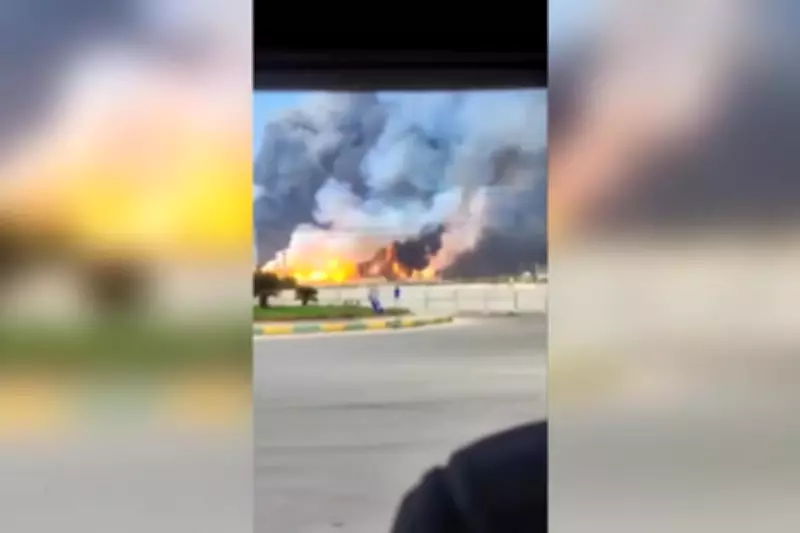
A significant fire, reportedly triggered by an Israeli airstrike, broke out near Iran's South Pars gas field on Wednesday, 18 March 2026. According to Iran's Fars news agency, the strike targeted gas tanks and sections of a refinery, leading to extensive flames and damage at the site.
Escalating Tensions and Regional Impact
In a related development, Qatar reported on Thursday that Iranian missile attacks had struck its Ras Laffan liquefied natural gas field. This incident marks a concerning escalation in regional hostilities, with both nations experiencing direct hits on critical energy infrastructure.
Market Reactions and Price Surges
The combined attacks have sent shockwaves through global energy markets. In the United Kingdom, natural gas prices surged by nearly 25% in response to the escalating tensions. This sharp increase reflects growing investor anxiety over potential disruptions to energy supplies from the Middle East.

Analysts warn that continued instability in the region could lead to further price volatility and supply chain issues. The South Pars gas field is one of the world's largest natural gas reserves, and any prolonged disruption there could have widespread economic consequences.
Global Energy Supply Concerns
These events are heightening fears about major disruptions to global energy supplies. The simultaneous targeting of key gas fields in Iran and Qatar underscores the vulnerability of international energy networks to geopolitical conflicts.
Governments and energy companies worldwide are closely monitoring the situation, with contingency plans being reviewed to mitigate potential shortages. The ongoing conflict raises questions about energy security and the stability of markets in the face of escalating military actions.






