Irish Fuel Protests Spark Emergency Services Crisis Amid Military Intervention Threat
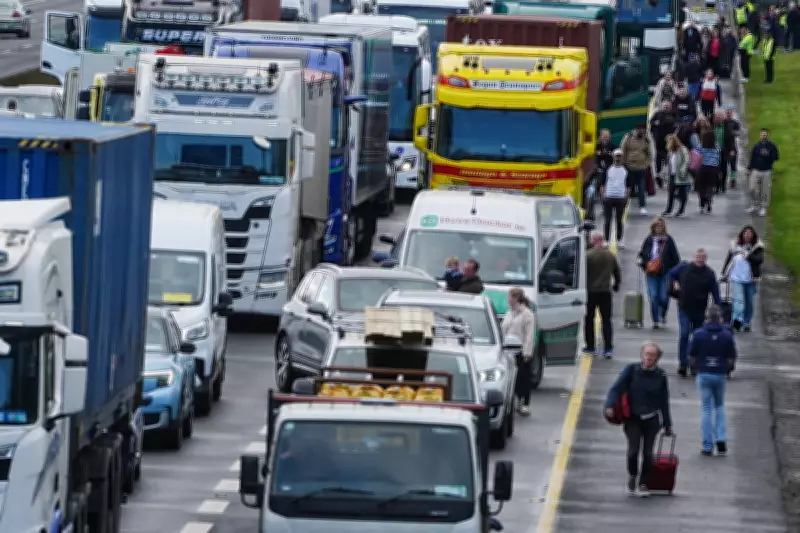
Irish emergency services are facing "serious concern" over fuel supplies as nationwide protests over petrol and diesel costs enter their third consecutive day. The demonstrations, organized by hauliers and agricultural contractors, have created widespread disruption through slow-moving motorway convoys, street blockades in Dublin, and the obstruction of critical fuel depots supplying half the country.
Government Response and Military Intervention
Irish police have formally requested assistance from the Defence Forces after Taoiseach Micheal Martin described the protests as an "act of national sabotage." Justice Minister Jim O'Callaghan confirmed that "the blocking of critical national infrastructure will not be permitted to continue" and announced military support would help remove vehicles from blockade sites.
Defence Minister Helen McEntee emphasized that military intervention was "never a first resort" but stated authorities cannot allow individuals to blockade parts of the country and disrupt normal business. The Defence Forces have deployed four heavy-lift recovery trucks to clear trucks and tractors from protest sites.

Protest Demands and Government Measures
Protesters, many sleeping overnight in their vehicles, vow to continue until they receive government engagement or are physically removed. Their demands center on further fuel cost reductions despite recent government measures that included:
- Temporary excise duty reductions for motor fuels
- Expansion of diesel rebate schemes for hauliers and bus operators
- Extension of fuel allowance programs
These measures initially reduced prices by 17 cents for petrol, 22 cents for diesel, and 5 cents for marked gas oil, but protesters argue these savings have been eroded by ongoing Middle East conflict impacts on supplies through the Strait of Hormuz.
Critical Infrastructure Blockades
Protesters have restricted access to essential facilities including:
- The major oil refinery in Whitegate, County Cork
- Fuel depots in Galway City and Foynes, County Limerick
- Key Dublin routes including O'Connell Street
This has triggered panic buying at forecourts, with some stations already reporting fuel exhaustion. Fuels for Ireland chief executive Kevin McPartland warned that "real significant life-death problems are going to be caused" as emergency service vehicle fuel supplies come under threat.
Wider Impacts on Essential Services
The National Emergency Co-ordination Group expressed serious concern about potential impacts on emergency service availability. The Health Service Executive reported that disruptions are causing missed medical appointments and affecting:
- Home care provision
- Critical treatments including dialysis and cancer care
- Time-sensitive delivery of medicines and medical devices
Agricultural sectors face animal welfare crises as blockades threaten delivery of animal feed, fertilizer, and other vital materials. Deputy Commissioner Shawna Coxon warned that gardai are "moving to an enforcement phase" unless protesters immediately cease blockades.
Protest Dynamics and External Influences
Justice Minister O'Callaghan accused protesters of being "manipulated" by outside actors including right-wing activist Tommy Robinson, suggesting some elements "really want to damage Ireland as a country." Meanwhile, protesters in Dublin nominated several spokespeople for government meetings, though representative John Dallon acknowledged he has no control over countrywide port blockades.
As the crisis intensifies, industry representatives warn fuel shortages are worsening by the hour, particularly in western regions, with the number of dry forecourts already reaching "low double digits" and expected to deteriorate rapidly unless blockades are lifted.