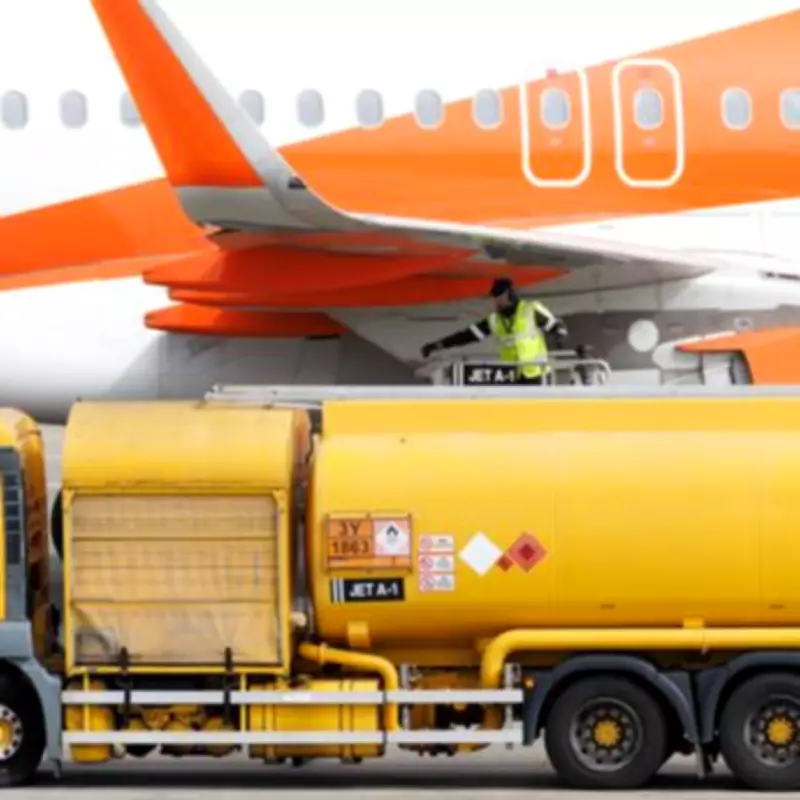
Iran War Triggers European Jet Fuel Crisis, Impacting Holiday Costs
The ongoing Iran War and the resulting effective closure of the Strait of Hormuz have severely disrupted oil exports from the Middle East, creating a looming jet fuel shortage in Europe that is set to significantly increase costs for British holidaymakers. With oil no longer flowing as it did earlier this year, European supplies of jet fuel have been critically depleted, threatening the aviation industry and travel plans.
Critical Shortage Threatens European Aviation
According to a recent International Energy Agency report, European countries typically maintain several months' worth of jet fuel inventory. However, Amaar Khan, head of European jet fuel pricing at Argus Media, warns: "Every passing day that the Strait of Hormuz remains shut, Europe is edging closer to supply shortages. The Strait accounts for around 40% of Europe's jet fuel imports, but no jet fuel has passed the Strait since the war broke out." This disruption has already caused jet fuel prices to roughly double since the conflict began.
Four Major Impacts on British Travellers
The jet fuel shortage is affecting British holidaymakers through four primary channels: rising flight prices, additional fees, flight cancellations, and potential package holiday surcharges.

Soaring Flight Prices and Fuel Surcharges
Jet fuel represents airlines' largest expense, accounting for approximately 30% of overall costs according to the International Air Transport Association. Several carriers have already implemented substantial fuel surcharges. Virgin Atlantic has added £50 to economy-class tickets, £180 to premium economy, and £360 to business class fares. Similarly, Air France and KLM have increased fares by €50, bringing their total fuel surcharge to €100 (£86.98). Flights to North America could see €70 (£60.89) increases, with economy round trips potentially costing an extra €10 (£8.70).
Important note: Passengers who have already booked and paid for flights will not face retrospective charges unless the government increases aviation fees, which currently appears unlikely.
Additional Fees for Checked Baggage
With airlines unable to increase fares for already-booked flights, some carriers are seeking alternative revenue streams through baggage fee increases. American Airlines has raised checked baggage fees by $10 (£7.40) each for the first and second bags, and by $150 (£111) for the third bag on domestic and short-haul international flights. Southwest Airlines has similarly increased fees by $10 for the first two bags, bringing costs to $45 (£33) for the first bag and $55 (£40) for the second. These changes could impact passengers who booked before the invasion but add luggage closer to their travel date.
Widespread Flight Cancellations
International Energy Agency Director Fatih Birol has warned that Europe may have only "six weeks" of remaining jet fuel supplies, describing the situation as the global economy's "largest energy crisis." This has prompted numerous flight cancellations. Swedish carrier SAS has cancelled 1,000 flights in April following hundreds of cancellations in March. United Airlines plans to cancel 5% of flights in the second and third quarters of 2026, while KLM has cancelled 160 flights for the coming month. British Airways has suspended routes to parts of the Middle East, and Virgin Atlantic has permanently scrapped its London to Riyadh service from April.
Passenger rights: If your flight is cancelled more than 14 days before departure, you are not entitled to compensation under UK law, but airlines must offer a full refund or alternative flight arrangements. Given potentially higher airfares, accepting an alternative flight rather than a refund may be advantageous.
Package Holiday Surcharges
A little-known clause in Package Travel Regulations could allow UK holiday companies to impose additional charges of up to 8% on already-booked package holidays under specific circumstances, including significant increases in fuel costs. With Middle East conflict driving fuel prices upward, this regulation could be invoked, potentially adding hundreds of pounds to holiday costs even after payment has been made.

The combination of these factors creates a perfect storm for British travellers, with the Iran War's impact on fuel supplies translating directly into higher costs and greater uncertainty for holiday plans across Europe and beyond.