The escalating conflict in Iran is delivering a severe blow to energy-intensive industries across Britain, with companies in sectors such as steel and chemicals facing soaring costs and potential closures. The disruption to global energy supplies, particularly through the Strait of Hormuz, has sent British wholesale gas prices surging, reaching 171p per therm after the invasion began—the highest level since Russia's full-scale invasion of Ukraine in 2022.
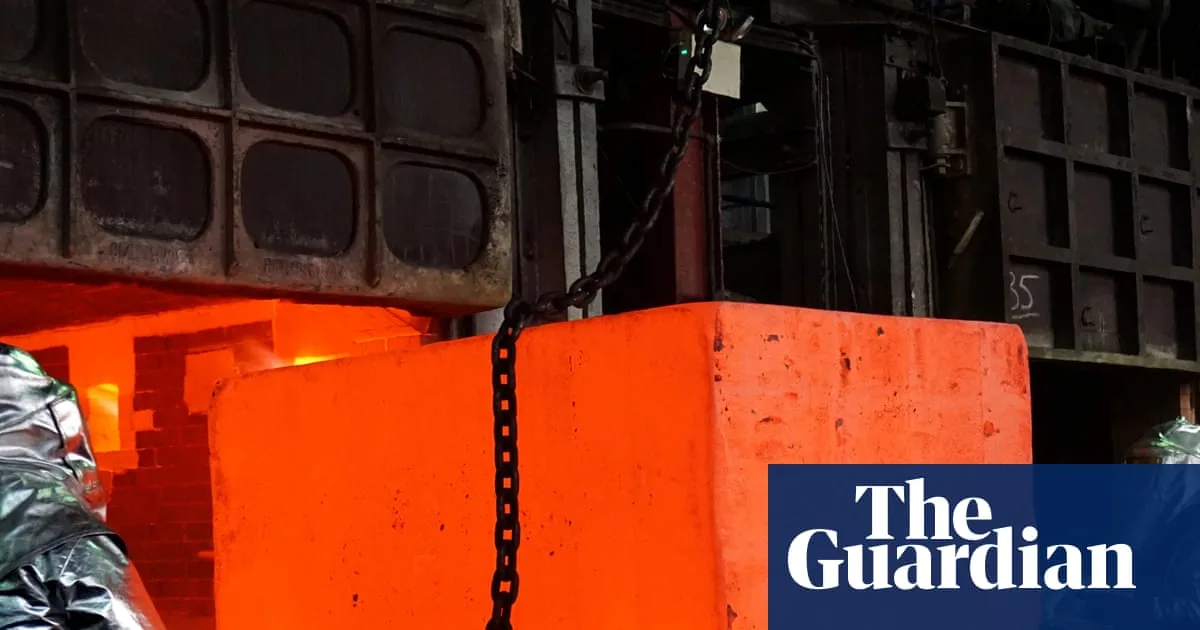
Somers Forge, a family-owned steel foundry in the Black Country that has operated for 160 years, is among those feeling the strain. Finance director Tammy Inglis said energy costs, which previously accounted for about a fifth of manufacturing expenses, are now rising sharply. The firm's monthly gas bill has jumped from £150,000 to as much as £250,000. “Everybody just battens down the hatches and spends what they absolutely need to spend,” she said. “You’re in survival mode.”
The chemicals sector is even more exposed, as companies rely on gas both for power and as a raw material, meaning price spikes hit them twice. The UK chemicals industry was already in crisis before the conflict, with production output down 60% since 2021 and at least 25 sites closed. Peter Huntsman, CEO of Huntsman Corporation, warned that if high prices persist for three months, he would shut down his remaining UK facility on Teesside and import from China or the US. He has imposed surcharges of 20-30% on European and UK customers, but said some are already looking elsewhere or shutting down.

The situation is equally uncertain in the EU, where gas prices have also rocketed. Industry bodies warn that energy-intensive steelmakers switching to renewables are not receiving sufficient support. In the UK, the government has provided bailouts, such as the £120m given to Jim Ratcliffe's Ineos in December to save its Grangemouth ethylene cracker. However, Huntsman noted that smaller companies without strong balance sheets are unlikely to receive similar help and may go under if the crisis drags on.