

Iran War Escalates with Retaliatory Strikes as Oil Prices Surge Past $108
The ongoing conflict between Israel and Iran has dramatically escalated with a series of retaliatory attacks targeting critical energy infrastructure, sending global oil prices soaring by over 5% to exceed $108 per barrel. This surge marks a nearly 50% increase in Brent crude prices since the war began, intensifying economic pressures worldwide.
Israeli Strikes and Iranian Retaliation
Israeli Defence Minister Israel Katz has promised "significant surprises" following the overnight strike that killed Iran's intelligence minister, Esmail Khatib. This attack came just a day after Israel eliminated top Iranian security official Ali Larijani and General Gholam Reza Soleimani, head of the Revolutionary Guard's Basij force.
In response, Iran launched missile strikes on Wednesday, resulting in two fatalities near Tel Aviv. Additionally, Iranian forces targeted Saudi Arabia's Eastern Province, a region rich in oil fields, as well as Kuwait, Bahrain, and the United Arab Emirates. A large explosion was reported in Riyadh, likely from an Iranian ballistic missile impact.

Attacks on Key Gas Facilities
The United States was reportedly informed about Israel's plans to strike Iran's massive South Pars natural gas field, though it did not participate. This mega-field, the world's largest known gas reserve, supplies approximately 70% of Iran's domestic natural gas. Iranian President Masoud Pezeshkian condemned the strike, warning of "uncontrollable consequences" that could engulf the entire world.
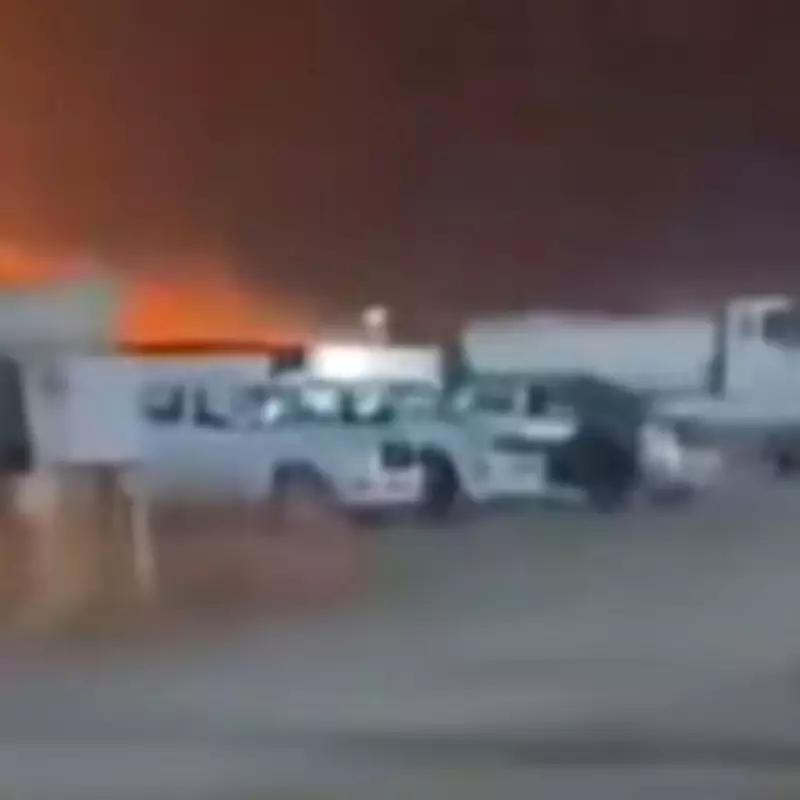
Iran retaliated by targeting a major natural gas facility in Qatar. QatarEnergy confirmed on social media that a missile hit its Ras Laffan liquefied natural gas facility, causing a fire that led to extensive damage before being extinguished. Production had already been halted due to prior Iranian attacks.
Global Economic and Political Fallout
Stock prices in London closed lower on Wednesday as the conflict disrupted markets. The price of Brent crude, the international benchmark for oil, surged to over $108 a barrel, reflecting heightened volatility in energy markets.
British Defence Minister Al Carns has issued a stark warning, stating "we live in very dangerous times" with threats from Russia and the Middle East stretching from the high north to Iran. This alarm follows more than two weeks of US-Israeli military actions against Iran, during which British troops have engaged drone and missile threats from Iran and its proxies.
Senior Western officials have expressed growing concerns about the Strait of Hormuz, with America pressuring allies like the UK to assist in securing the vital waterway. The UK's refusal to deploy ships has caused significant tension between US President Donald Trump and UK Prime Minister Keir Starmer.
Amidst these developments, US bombers are now deploying massive 'bunker buster' high-penetration bombs on Iran, capable of destroying targets up to 100 feet underground, further escalating the conflict's intensity.






