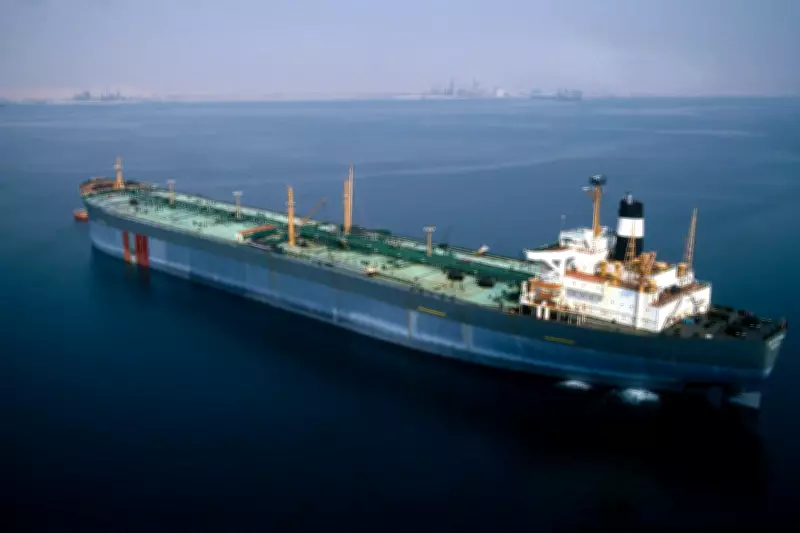
The International Energy Agency has issued a stark warning that the ongoing conflict in Iran is creating what it describes as "the largest supply disruption in the history of the global oil market." This unprecedented situation has sent shockwaves through global energy markets, with immediate and severe consequences for oil production and pricing worldwide.
Strait of Hormuz Flows Reduced to a Trickle
According to the IEA's latest energy market report, the flow of oil through the critical Strait of Hormuz has been reduced to "a trickle" following sustained attacks on key energy and shipping infrastructure by Iranian forces. This vital waterway typically handles approximately 20 million barrels of oil daily, representing about one-fifth of global oil supplies and significant seaborne gas shipments.
The agency has dramatically slashed its energy production forecasts, projecting that global oil supply will "plunge by eight million barrels a day" during March alone. Gulf countries have already cut total oil production by at least 10 million barrels per day, with the IEA warning that "supply losses are set to increase" unless shipping through the strait can be rapidly resumed.

Emergency Measures and Market Reactions
In response to the growing crisis, the 32-nation IEA alliance agreed on Wednesday to release a record 400 million barrels from emergency reserves. This represents the largest release in the organization's 50-year history and accounts for approximately one-third of its 1.2 billion barrel emergency stockpile. The move aims to help curb potential supply shortages and stabilize volatile markets.
Despite these emergency measures, oil prices continued their upward trajectory on Thursday, with Brent crude rising another 5% to exceed 96 US dollars per barrel in morning trading. This followed similar gains on Wednesday and comes after crude prices hit nearly 120 dollars per barrel earlier in the week. The price surge reflects growing market anxiety about the duration and severity of the supply disruption.
Shipping Disruptions and Global Economic Impact
Shipments through the Strait of Hormuz have been almost entirely halted for nearly two weeks since the initial attacks between Iranian and US-Israeli forces. The situation deteriorated further on Thursday as three additional cargo vessels were struck in the Gulf, demonstrating Iran's continued commitment to disrupting oil supply routes.
The economic repercussions have extended far beyond oil markets. Stock markets worldwide have tumbled amid the fallout, with London's FTSE 100 Index down 0.7% in early trading on Thursday. France's Cac 40 and Germany's Dax both fell 0.4%, following overnight declines across Asian markets. This broad market weakness underscores the global economic significance of the disruption.
Expert Analysis and Market Sentiment
Market analysts have expressed deep concern about the situation. Chris Beauchamp, chief market analyst at IG, commented: "Overnight attacks on shipping off Iran are the stuff of nightmares for investors, confirming that one of the world's key waterways is closed to shipping and resulting in a fresh surge in oil prices. Brent and US crude prices have a permanent bid underneath them, at least until there's a ceasefire in place."
Francesco Pesole, markets expert at ING, added important context: "Understanding how far the conflict and supply shocks will last remains the priority for markets. Emergency measures to ease oil supply disruptions may be sending a hidden negative signal to markets that world leaders see little room for quick de-escalation."
The IEA noted that some of the impacted production has been partially offset by increased output from non-OPEC+ producers, particularly Kazakhstan and Russia. However, these increases represent only a fraction of the overall supply disruption and cannot compensate for the massive reduction in Middle Eastern production.