

The announcement of a ceasefire between the United States and Iran, coupled with the reopening of the critical Strait of Hormuz, has triggered a dramatic shift in global energy markets, with direct implications for the United Kingdom's economy. This development has led to a substantial decline in oil prices and a concurrent surge in global share values, offering a glimmer of hope that the recent energy crisis may be short-lived.
Immediate Market Reactions and Energy Price Impacts
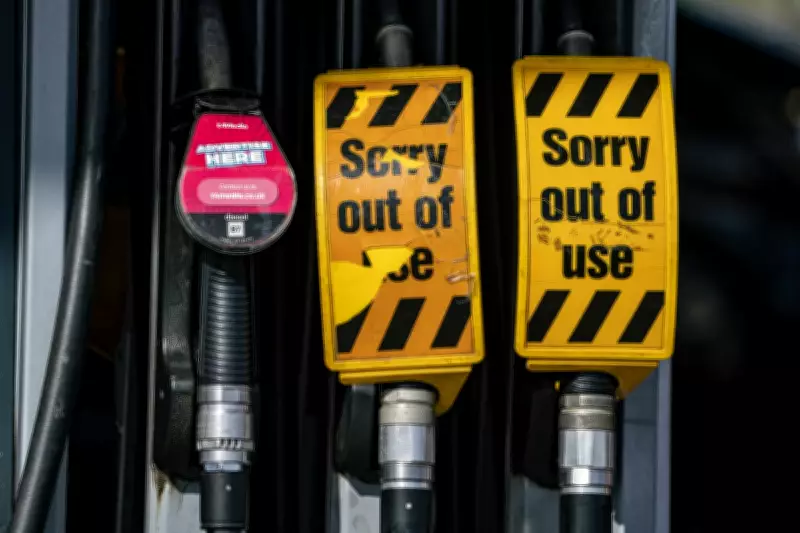
Oil prices plummeted by 14 per cent, settling at $93.93 per barrel, while gas prices experienced an even steeper drop of 17 per cent. This sharp reduction is expected to alleviate some pressure on the UK energy price cap, potentially leading to lower household energy bills in the coming months. However, experts caution that jet fuel and petrol prices are likely to remain elevated due to ongoing logistical challenges and residual market volatility.
Ongoing Inflationary Pressures in the UK Economy
Despite the ceasefire, the UK continues to grapple with significant inflationary pressures stemming from previously high oil prices. Grocery inflation is predicted to reach between 9 and 10 per cent, driven by increased production and transportation costs. Broader UK inflation could potentially climb to 4 per cent by late 2026, as the effects of the energy price shock ripple through the economy.

Interest Rate and Mortgage Market Implications
Expectations for further interest rate hikes by the Bank of England have diminished in light of the ceasefire. Analysts now believe it is more probable that the base rate will hold steady at 3.75 per cent. This shift in monetary policy outlook has already begun to influence mortgage markets, with swap rates potentially decreasing. This development could offer some relief for homeowners seeking new mortgage deals in the near future.
Property Market and Long-Term Outlook
The UK property market continues to face challenges, with prices falling in March. This decline has been influenced by rising swap rates and the economic uncertainty generated by the recent conflict. Experts do not anticipate a return to pre-conflict oil price levels, suggesting that while the ceasefire provides temporary relief, structural changes in energy markets may persist. The government has issued warnings to energy firms, stating it will not tolerate what it describes as 'rip off' fuel prices, indicating potential regulatory interventions if prices do not reflect the recent market corrections.






