Iran's Strait of Hormuz Blockade Disrupts Global Oil Flows
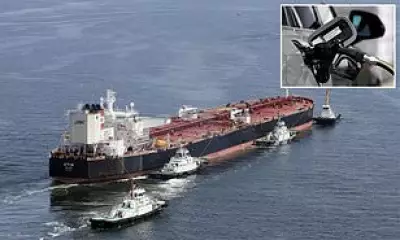
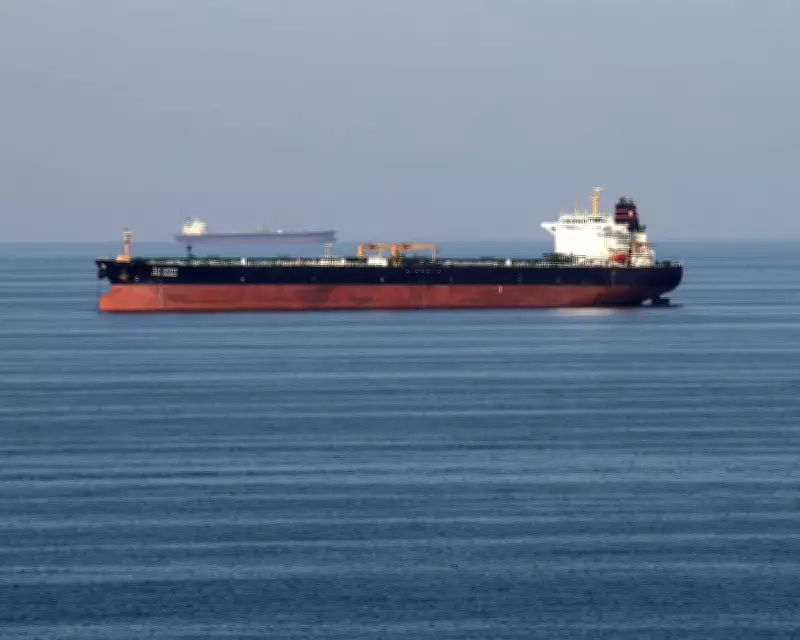
Oil tankers navigating the strategic Strait of Hormuz have faced unprecedented disruptions as Iran has largely halted oil and gas exports through this critical maritime chokepoint. Conventionally, it is estimated that approximately one-fifth of the world's crude oil passes through these narrow straits, making any closure a significant event for global energy markets.
Drone Attacks and Traffic Collapse
Over the past four days, Iran has effectively sealed the Strait of Hormuz through a combination of drone strikes and intimidation tactics, despite intense countermeasures from the United States. Reports indicate that at least four tankers have been struck by drones, leading to a dramatic 80% drop in seaborne traffic on Sunday, with little indication of recovery. Key maritime insurers compounded the crisis by cancelling coverage the following day, further deterring commercial vessels.
In a stark escalation, Brigadier General Ebrahim Jabbari, a senior adviser to Iran's Revolutionary Guards commander-in-chief, issued a chilling warning on Monday: "We will attack and set ablaze any ship attempting to cross." The most recent incidents occurred on Sunday, according to the UK's Maritime Trading Organisation, which reported an unknown projectile exploding near a vessel off the UAE coast, though no serious casualties were noted.

US Military Response and Regional Impact
Despite Tehran's threats, its naval capacity has been severely degraded by sustained US attacks. The US Central Command (Centcom) announced on Monday that it had sunk or crippled all 11 Iranian ships operating in the Gulf of Oman, east of the strait. This includes the Shahid Bagheri, a converted container ship designed for drone operations, which Iranian officials claimed could project power for up to 12 months.
General Dan Caine, head of the US military, detailed that the campaign began with Tomahawk cruise missiles targeting Iranian naval forces, supported by strikes across southern Iran. Satellite imagery confirmed heavy damage to Iran's Bandar Abbas naval base. While Israel focused on regime targets in Tehran, the US effort aimed to secure maritime routes and airspace in the region.
Economic Consequences and Insurance Crisis
The blockade has sent shockwaves through global markets. Brent crude, a key benchmark, surged to $83 a barrel, marking a 15% increase from Friday levels. This spike reflects the strait's outsized role in oil transit: while Americas import 12.5% of their oil via Hormuz, China relies on it for 45.7% of its imports, according to data agency Kpler.
Tankers laden with fossil fuels are now avoiding the transit, with some considering risky nighttime passages without tracking transponders or insurance. In response, former President Donald Trump is reportedly evaluating proposals for US government assistance in insuring tankers to restore confidence.
Iran's Evolving Strategy and Infrastructure Attacks
Iran has shifted tactics to target onshore infrastructure with apparent success. Satellite imagery revealed damage to Saudi Arabia's Ras Tanura oil refinery, the country's largest, which shut down after drone interceptions caused a fire. Similarly, Qatar halted liquefied natural gas production due to military attacks, and a fire broke out at Fujairah in the UAE following a drone interception at this key oil hub.
The cumulative effect is a severe disruption to energy supplies, underscoring the Strait of Hormuz's vulnerability and the far-reaching implications of regional conflicts on global trade and security.