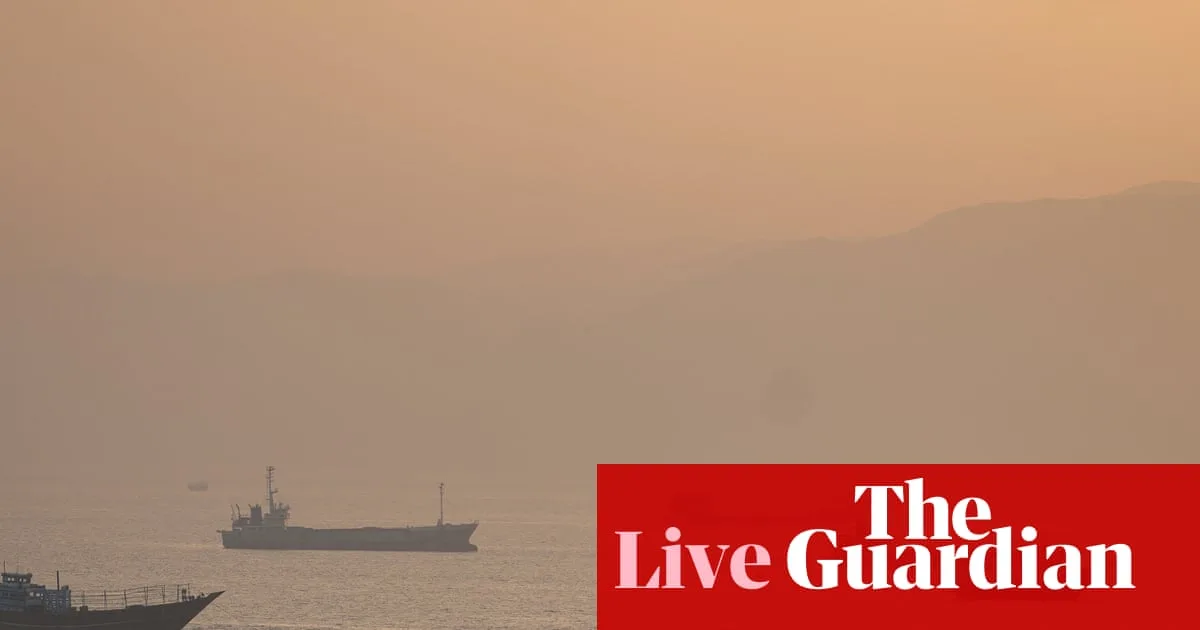
Iran's Gulf Energy Attacks Trigger 35% Gas Price Spike and Interest Rate Warning
Iran's missile attacks on energy facilities across the Gulf have triggered a dramatic 35% surge in European gas prices and pushed Brent crude oil to $119 per barrel, threatening to drag the regional conflict into a dangerous new phase. The Bank of England has issued stark warnings that this escalation could force interest rate rises as inflation may climb to 3.5% by July, creating significant financial pressure for homeowners across Britain.
Defensive Support and Economic Fallout
Britain has announced it will "step up" defensive support for Gulf states following what Defence Secretary John Healey described as a "serious escalation" by Iran. The attacks targeted multiple critical energy sites including Qatar's Ras Laffan energy hub, Saudi oil refineries, and Kuwaiti facilities in retaliation for an Israeli strike on Iran's vital South Pars gas field.
This marks the first direct assault on energy production infrastructure since the conflict began, with Tehran firing missiles across the region. While RAF jets are already conducting defensive sorties against Iranian drones and British air defense systems protect Saudi infrastructure, the economic consequences are spreading rapidly.
Bank of England's Inflation Warning
The Bank of England held interest rates at 3.75% instead of implementing a previously-expected cut, with Governor Andrew Bailey warning that continued conflict could push inflation to 3.5% in July due to soaring energy bills. Financial markets now indicate a 50/50 chance of rates rising to 4% as early as April's meeting, with potential for two additional hikes by year's end.
"Markets are now pricing in an almost 50% chance that April's meeting will see rates rise to 4% with the potential for two additional rate hikes by the end of the year," said Danni Hewson, head of financial analysis at AJ Bell. "But no one has a crystal ball. No one knows how long the conflict will last or the amount of damage that could be inflicted on crucial energy infrastructure."
International Reactions and Diplomatic Tensions
The attacks have exposed growing diplomatic fractures, with Oman's foreign minister Badr Albusaidi delivering a scathing critique of Washington's policy, calling the conflict Donald Trump's "greatest miscalculation" and stating "this is not America's war." Meanwhile, Trump claimed he was unaware of Israel's initial strike on South Pars and threatened to "massively blow up" the facility if Iran continued retaliatory attacks.
European airlines have warned of higher fares as energy costs spike, while UK military planners have joined US Central Command to develop proposals for securing the Strait of Hormuz, a critical global oil and gas trade route. The conflict has entered its third week without achieving stated US and Israeli objectives of regime change in Tehran or halting Iran's nuclear program.
As petrol prices surge for consumers and the economic fallout spreads, the situation remains volatile with potential for further escalation that could destabilize both the region and European economies for months to come.