

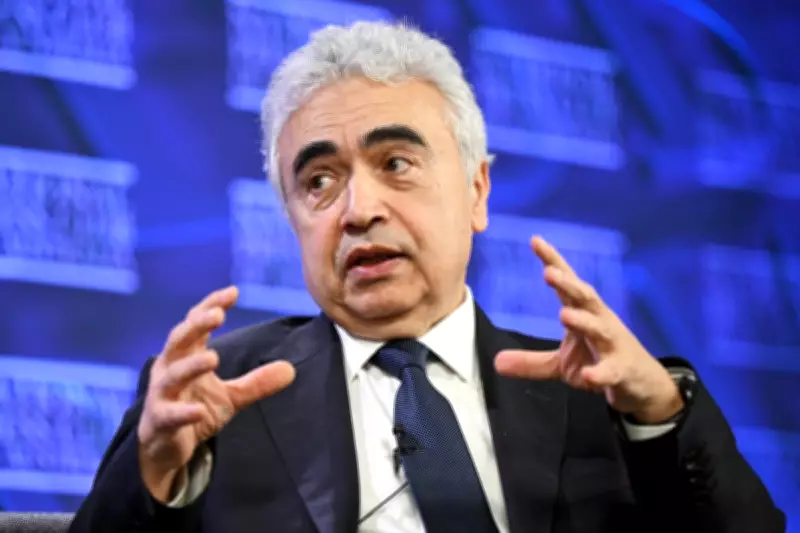
The executive director of the International Energy Agency (IEA) issued a stark warning on Monday, stating that the escalating conflict involving Iran represents a "major, major threat" to the stability of the global economy. Fatih Birol emphasized that no nation would be shielded from the repercussions if the crisis continues on its current trajectory.
Unprecedented Impact on Energy Markets
Speaking via video link to Australia's National Press Club in Canberra, Birol declared that the combined impact of the Middle East turmoil has already proven more severe than the dual oil shocks of the 1970s and the disruption to gas markets caused by the Russia-Ukraine war. This assessment underscores the gravity of the current geopolitical situation.
Widespread Damage to Critical Infrastructure
The IEA chief revealed that preliminary assessments indicate 40 crucial energy assets across nine countries in the region have sustained "severe or very severe damage" due to the conflict. This extensive impairment threatens to exacerbate supply shortages and drive volatility in international energy prices.

Consultations on Strategic Oil Reserves
In response to the mounting crisis, Birol confirmed he is actively consulting with governments across Europe and Asia regarding the potential release of additional stockpiled oil. "We will monitor the markets closely," he stated. "If it becomes necessary, we will certainly take action, but we must first analyze the conditions, assess the market dynamics, and coordinate with our member countries."
Escalating Military Actions and Threats
Birol's urgent comments coincided with a new wave of Israeli airstrikes targeting Tehran early Monday. Simultaneously, a senior American military commander advised Iranian citizens to remain in shelters indefinitely, while Iran renewed offensive operations against neighboring Gulf states and issued threats to target their power generation facilities.
Further escalating tensions, U.S. President Donald Trump issued a 48-hour ultimatum via social media, demanding Iran open the strategically vital Strait of Hormuz to all maritime traffic. Trump warned that failure to comply would result in the United States moving to "obliterate" Iran's power plants. This post was disseminated in Middle Eastern time zones early Sunday, intensifying the already fraught diplomatic standoff.
The confluence of military escalation, critical infrastructure damage, and the chokehold on a key global oil transit route presents a multifaceted crisis with profound implications for worldwide economic stability, energy security, and geopolitical relations in the coming weeks and months.






