

Hungary and Slovakia Seal Deal for New Fuel Pipeline to Stabilise Regional Supplies
Hungary and Slovakia have finalised an agreement to construct a new pipeline that will connect their refineries, a move both nations assert will significantly bolster regional fuel security. The announcement was made on Tuesday, 17 March 2026, by Slovakia's Energy Ministry, which described the project as a critical step toward improving the stability of fuel supplies in the area.
Pipeline Specifications and Timeline
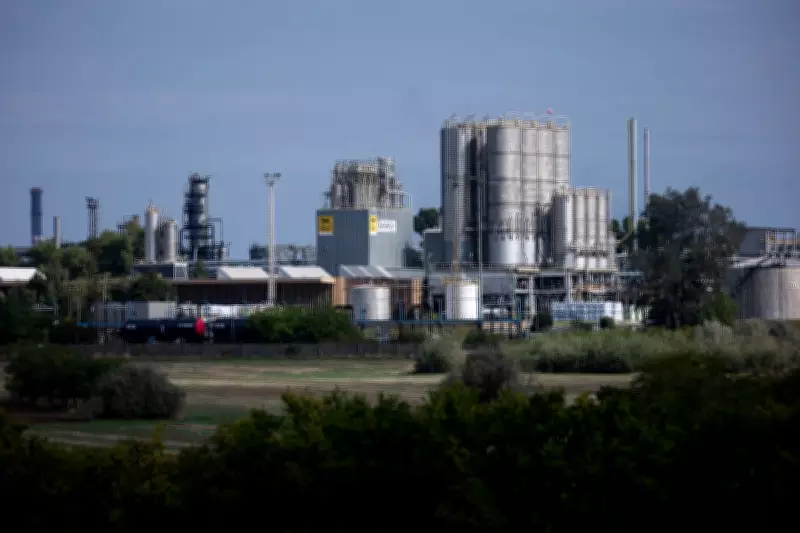
The pipeline will stretch 127 kilometers (79 miles), linking Hungary's refinery located in Százhalombatta with Slovakia's refinery in the capital city of Bratislava. According to the ministry, it will have the capacity to transport up to 1.5 million tons of gasoline and diesel annually. Hungarian Foreign Minister Péter Szijjártó, speaking from Brussels where the agreement was signed on Monday, confirmed that work on connecting the two refineries—both owned by Hungary's Mol Group—is expected to be completed by the first half of 2027.
Szijjártó emphasised the strategic importance of the fuel link, stating it will "add further value from the perspective of Hungary’s energy supply and diesel supply, while helping to counter the effects of wars around the world."

Background of Regional Tensions
This agreement emerges against a backdrop of heightened tensions, as Hungary and Slovakia—the only two European Union countries still importing Russian oil—have been embroiled in a bitter dispute with Ukraine over their access to pipeline supplies that traverse Ukrainian territory. Since late January, Russian oil shipments through the Druzhba pipeline have been interrupted. Ukraine attributes this disruption to a Russian drone strike that damaged the pipeline's infrastructure, citing risks to technicians for repairs. Even if restored, Ukrainian officials warn the pipeline remains vulnerable to further Russian attacks.
In response, the governments of Hungary and Slovakia have accused Ukraine of deliberately obstructing supplies of Russian crude and have pledged strong countermeasures against Kyiv until oil flows resume. Notably, Hungary has already blocked a 90-billion euro ($104 billion) EU loan to Ukraine in retaliation for the interruptions.
Enhancing Energy Infrastructure Resilience
In its statement, Slovakia's Energy Ministry highlighted that the supply disruptions have "highlighted the vulnerability of energy infrastructure and the need to diversify supply routes and sources." The ministry added, "The new pipeline should therefore improve supply flexibility and enable more efficient fuel transfers between refineries in both countries." This initiative is seen as a proactive measure to mitigate future risks and ensure a more resilient energy network in the region.
Associated Press writer Karel Janicek in Prague contributed to this report.






